Table of Contents
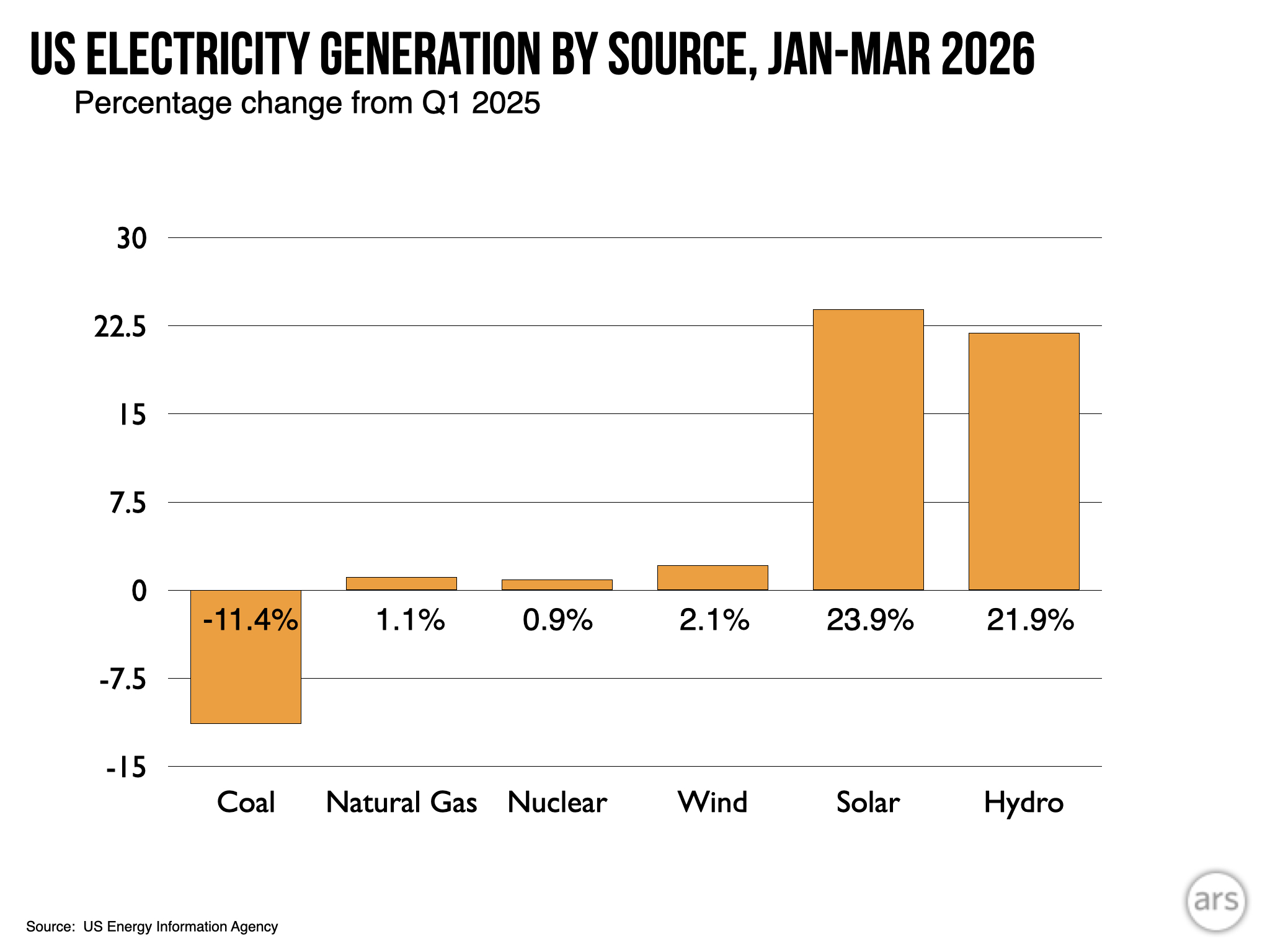
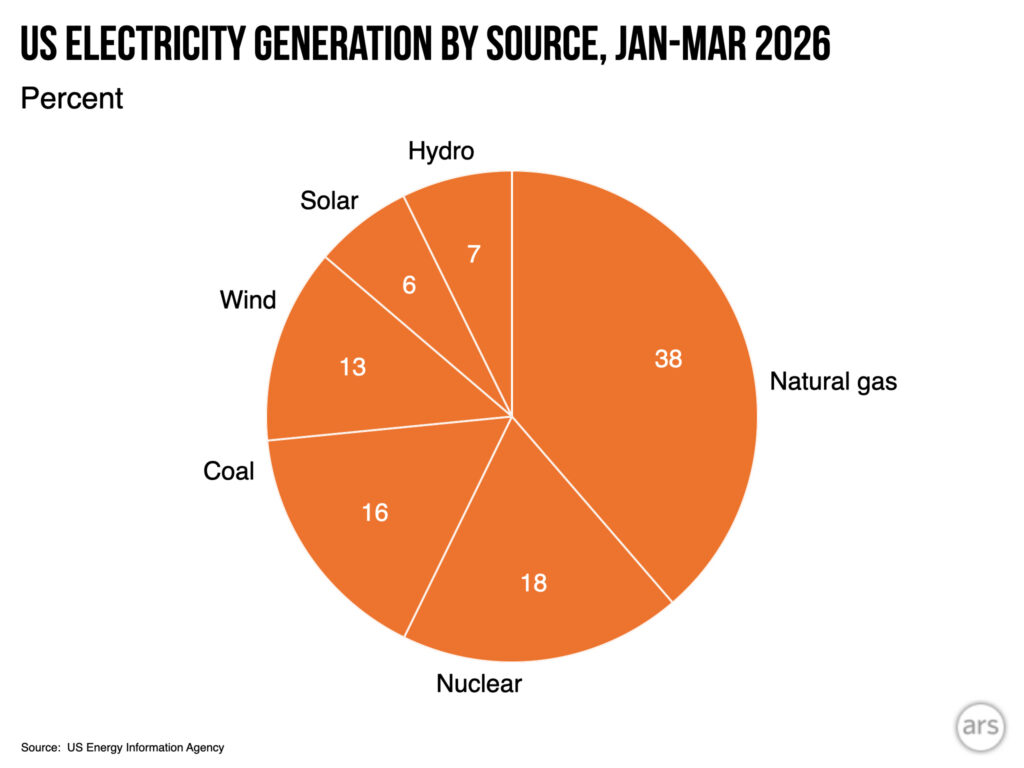
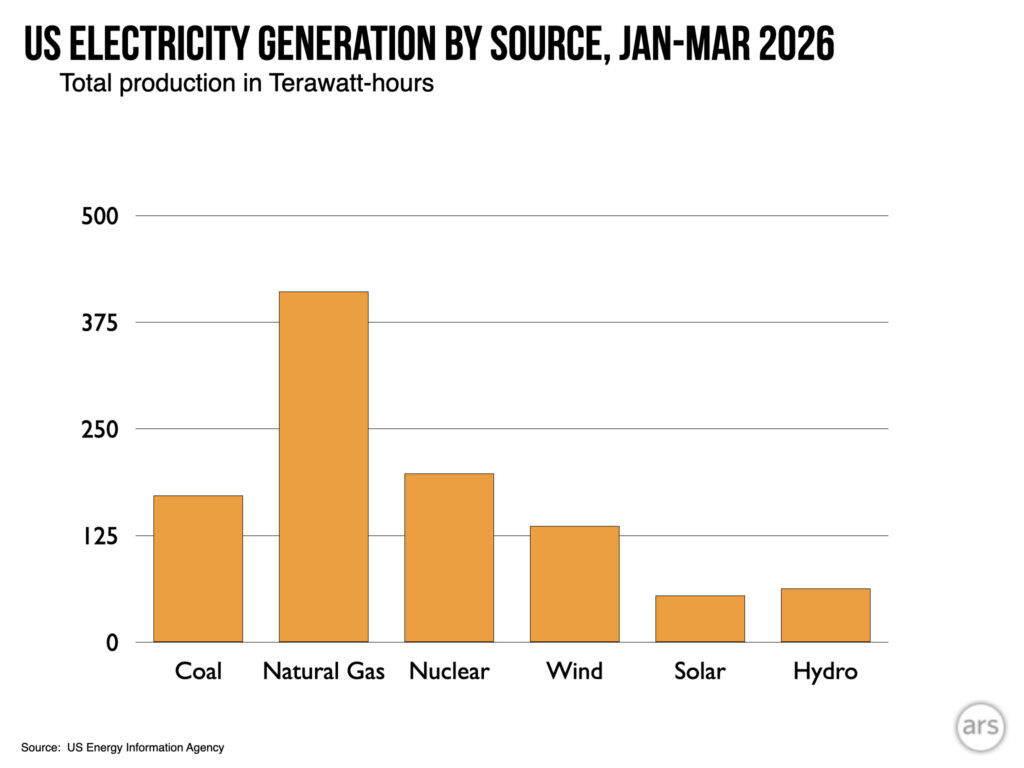
The United States energy grid is undergoing a quiet but powerful transformation—one that’s reshaping the nation’s power mix faster than many anticipated. Just a year ago, energy analysts were sounding alarms: a surge in data center demand, driven by the explosive growth of artificial intelligence and cloud computing, was pushing electricity consumption to new heights. With demand rising by 3 percent in early 2025, coal-fired power plants roared back to life, briefly reversing a decade-long decline in coal use. But that spike was short-lived. By the first quarter of 2026, the narrative had flipped. Renewables—especially solar and hydro—are now driving coal further into obsolescence, even as overall electricity demand continues to grow.
What’s most striking is the speed of this shift. Despite fears that AI and digital infrastructure would require a fossil fuel resurgence, clean energy has stepped up to meet the challenge. Solar power, in particular, has seen unprecedented growth, with new installations outpacing forecasts. Meanwhile, hydroelectric generation has surged unexpectedly—not because of new dams or infrastructure, but due to a natural phenomenon: an unusually warm winter in the western U.S. that caused snowpack to melt earlier than usual, releasing a flood of water through hydroelectric turbines. This confluence of technological advancement and climatic anomaly is accelerating the transition to a cleaner grid.
This shift isn’t just about environmental progress; it’s a story of resilience, innovation, and the unpredictable forces of nature. As coal plants continue to retire—many ahead of schedule—the grid is becoming more flexible, more sustainable, and increasingly reliant on weather-dependent sources. But with that comes new challenges: how do we manage variability? How do we store energy when the sun isn’t shining or the rivers run low? And what happens when the weather patterns that boosted hydro this year turn dry next year?
The answer lies in a combination of smart policy, technological innovation, and a reimagining of how we generate and consume power. The early 2026 data suggests we’re on the right path—but the journey is far from over.
The Brief Coal Comeback—And Why It Fizzled
At the start of 2025, the energy world was on edge. Reports from the U.S. Energy Information Administration (EIA) showed electricity demand rising at a pace not seen in years. Much of this was attributed to the rapid expansion of data centers, which now consume over 4% of the nation’s total electricity—a figure projected to double by 2030. Tech giants like Google, Amazon, and Microsoft were building massive server farms across the country, and their insatiable hunger for power raised concerns about grid stability and emissions.
In response, utilities dusted off aging coal plants, some of which had been idled or scheduled for retirement. Coal generation jumped by nearly 10% in the first half of 2025, marking the first significant increase in over a decade. Environmental groups sounded the alarm, warning that the clean energy transition was stalling.
But by mid-2025, the trend began to reverse. Several factors contributed to coal’s rapid decline. First, many of the reactivated plants were inefficient and expensive to operate, making them uncompetitive as natural gas prices stabilized and renewable costs continued to fall. Second, a wave of new solar and wind projects came online, adding clean capacity at a record pace. And third, energy efficiency improvements—especially in data centers themselves—helped curb demand growth.
Over 25 GW of coal capacity has been retired since 2020—enough to power 15 million homes.
The average age of remaining U.S. coal plants is over 45 years, making them costly and polluting.
Solar now generates more electricity than coal in 12 states, including Texas and Florida.
Wind and solar combined surpassed nuclear power for the first time in U.S. history in 2025.
By early 2026, coal’s brief resurgence was over. The plants that had been brought back online were either shut down again or running at minimal capacity. The grid had adapted—not by clinging to the past, but by embracing the future.
Solar Power’s Stellar Rise
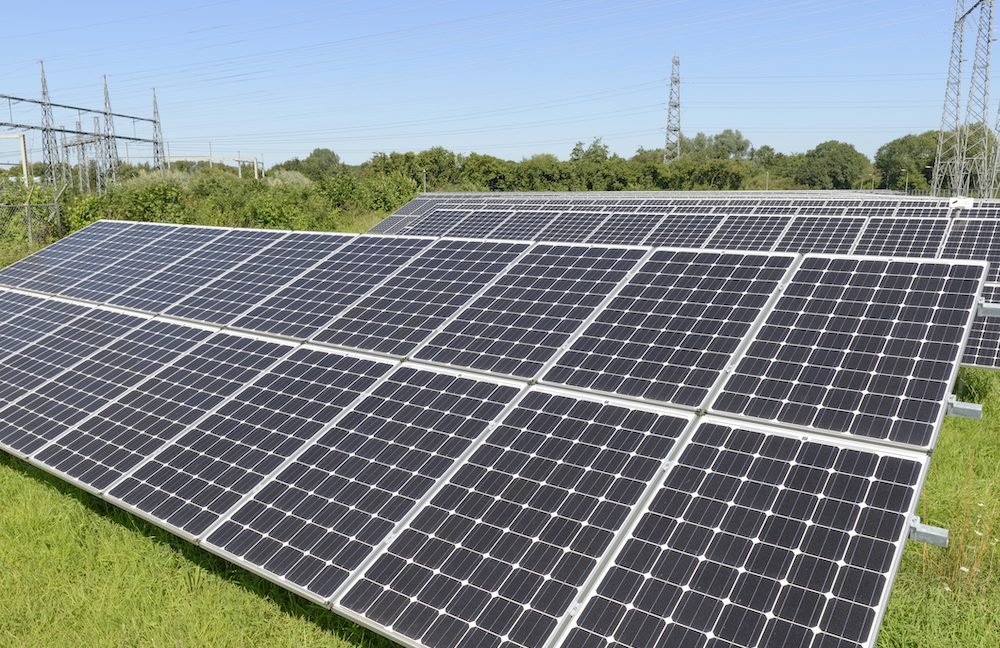
Solar energy is no longer the niche player it was a decade ago. In 2025, solar installations shattered records, driven by falling costs, supportive federal policies like the Inflation Reduction Act, and growing corporate demand for clean power. Utility-scale solar projects multiplied across the Sun Belt, from Arizona to North Carolina, while rooftop solar adoption soared in residential neighborhoods.
One of the most significant developments was the rise of “solar-plus-storage” systems. These combine photovoltaic panels with battery storage, allowing electricity to be stored during sunny days and used at night or during peak demand. This innovation has addressed one of solar’s biggest drawbacks—intermittency—and made it a more reliable source of baseload power.
States like California and Texas are leading the charge. California, long a pioneer in renewable energy, now generates over 30% of its electricity from solar alone. Texas, traditionally a fossil fuel stronghold, has become the nation’s top solar market, with over 20 GW of installed capacity. Even traditionally cloudy states like New York and Illinois are investing heavily in solar, proving that geography is no longer a barrier.
But solar’s growth isn’t just about big utilities. Community solar programs—where multiple households share the output of a single solar array—are expanding access to renters and low-income families. These projects are helping democratize energy and reduce inequality in the clean energy transition.
The Hydro Surge: A Gift from Nature—For Now
While solar’s rise was expected, the surge in hydroelectric power caught many off guard. In the first quarter of 2026, hydro generation in the western U.S. increased by nearly 25% compared to the same period in 2025—despite no new dams or major infrastructure upgrades. The reason? An unusually warm winter across the Pacific Northwest and California.
Warmer temperatures caused the Sierra Nevada and Cascade snowpacks to melt earlier and faster than usual, sending a torrent of water through hydroelectric dams. Reservoirs that typically fill slowly over spring and summer were brimming by February, allowing utilities to generate more power ahead of schedule.
This natural boost provided a temporary windfall for the grid. Hydro, which is highly dispatchable and can ramp up quickly to meet demand, helped balance the variability of wind and solar. It also reduced the need for natural gas peaking plants, lowering emissions and electricity costs.
But experts warn that this surge may not last. Early snowmelt can lead to lower water levels later in the year, especially if summer droughts return. In fact, climate models suggest that the western U.S. is becoming more prone to “snow droughts”—periods where snowpack is depleted early, leaving rivers dry when demand peaks. This could turn hydro from a reliable asset into a volatile one.
“We’re seeing the double-edged sword of climate change,” said Dr. Elena Martinez, a hydrologist at the University of California, Davis. “Warmer winters may give us a short-term boost in hydro, but they also threaten long-term water security.”
The Hidden Risk of Early Snowmelt
The early melt isn’t just a concern for hydroelectricity—it affects agriculture, ecosystems, and urban water supplies. In California, for example, snowpack acts as a natural reservoir, slowly releasing water through spring and summer. When it melts too early, that water rushes into rivers and reservoirs, increasing flood risk and reducing the amount available during dry months.
This pattern was evident in 2026. While hydro plants ran at full tilt in February and March, water managers began warning of potential shortages by late summer. Some reservoirs, like Shasta Lake, were already below average levels by May—despite the early surge.
This underscores a broader challenge: as the climate changes, so too must our energy planning. Relying on hydro as a stable source of clean power may become increasingly risky. The solution? Diversification—pairing hydro with solar, wind, and storage to create a more resilient grid.

Grid Resilience in a Changing Climate
The U.S. power grid is being tested like never before. Extreme weather events—from heatwaves to hurricanes—are becoming more frequent and intense, straining infrastructure and increasing demand. At the same time, the shift to renewables introduces new complexities: how do we keep the lights on when the wind isn’t blowing and the sun isn’t shining?
The answer lies in modernization. Utilities are investing in smart grids, advanced forecasting, and energy storage to manage variability. Battery storage capacity in the U.S. grew by over 40% in 2025, with large-scale installations in California, Texas, and Arizona. These systems can store excess solar power during the day and release it at night, smoothing out supply and demand.
Air pollution from coal plants contributes to over 10,000 premature deaths in the U.S. each year. The shift to renewables is not just about climate—it’s about public health.
Grid operators are also improving coordination between regions. The Western Interconnection, which spans from British Columbia to Baja California, is integrating more renewable energy through better transmission lines and real-time data sharing. This allows surplus solar power from Arizona to be sent to Oregon when needed, or wind power from Wyoming to support California during peak demand.
But challenges remain. Transmission infrastructure is aging, and building new lines can take years due to permitting delays and local opposition. Without a more connected grid, the full potential of renewables may go unrealized.
The Road Ahead: Policy, Innovation, and Equity
The transition to a clean energy future is accelerating, but it’s not automatic. It requires continued investment, smart policy, and public support. Federal and state incentives have been crucial in driving solar and wind growth, but long-term stability is needed to sustain momentum.
Innovation will also play a key role. Emerging technologies like green hydrogen, advanced nuclear, and next-generation geothermal could provide reliable, low-carbon power in the future. Meanwhile, demand-side solutions—such as smart thermostats, electric vehicles, and time-of-use pricing—can help consumers use energy more efficiently.
The U.S. generated more electricity from renewables than from coal for the first time in history in 2025—a milestone that would have seemed impossible just 15 years ago.
Equity must be at the center of this transition. Low-income communities and communities of color have historically borne the brunt of pollution from fossil fuel plants. Ensuring that the benefits of clean energy—cheaper electricity, better air quality, job opportunities—are shared widely is essential.
Programs like the Justice40 Initiative, which directs 40% of federal climate investments to disadvantaged communities, are a step in the right direction. But more must be done to ensure that no one is left behind.
The story of the U.S. energy grid in 2026 is one of resilience and reinvention. After a brief scare, coal is fading faster than expected, replaced by the quiet power of the sun and the force of flowing water. But this progress is fragile. It depends on continued innovation, thoughtful policy, and a commitment to equity. The grid of the future won’t just be cleaner—it will be smarter, fairer, and more adaptable than ever before. And that’s a future worth building.
This article was curated from Soaring solar and a surge in hydro push more coal off the US grid via Ars Technica – Science