Table of Contents
- NASA’s Creative Call: How Artists Are Becoming the Voice of Space Exploration
- The Missions That Need a Storyteller’s Touch
- Why Artists? The Power of Narrative in Science Communication
- The Logistics: How the Partnership Will Work
- The Bigger Picture: Art as a Bridge Between Science and Society
- What This Means for the Future of Space Storytelling
- The Role of Technology in Creative Space Storytelling
- A New Constellation of Creators

NASA’s Creative Call: How Artists Are Becoming the Voice of Space Exploration
In a bold move that blurs the line between science and storytelling, NASA is turning to artists, filmmakers, poets, and musicians to help narrate humanity’s next great leaps into the cosmos. As the agency gears up for historic missions—from returning astronauts to the Moon to pioneering nuclear-powered spacecraft bound for Mars—it’s launching a unique initiative: a call for creative minds to help illuminate the drama, wonder, and human spirit behind these monumental endeavors. This isn’t just about documenting events; it’s about crafting emotional, accessible, and inspiring narratives that resonate across cultures and generations.
The initiative, announced on May 21 and open for proposals through June 30, invites U.S.-based creatives—with room for international collaborators—to partner with NASA under unfunded Space Act Agreements. Up to 10 selected partners will gain rare access to NASA’s inner workings, including mission control centers, research labs, and even astronauts and engineers, to co-create compelling stories around key programs like the Artemis Moon missions, next-generation aeronautics, and the revolutionary nuclear propulsion systems that could one day carry humans to Mars.
This partnership model marks a significant shift in how NASA communicates its work. Traditionally, space agencies have relied on press releases, technical reports, and official documentaries. But in an era where attention is fragmented and storytelling is king, NASA recognizes that science needs more than data—it needs soul. By enlisting the help of poets, songwriters, and visual artists, the agency is betting that emotional resonance can drive public engagement, inspire future scientists, and secure long-term support for ambitious space exploration.
The Missions That Need a Storyteller’s Touch
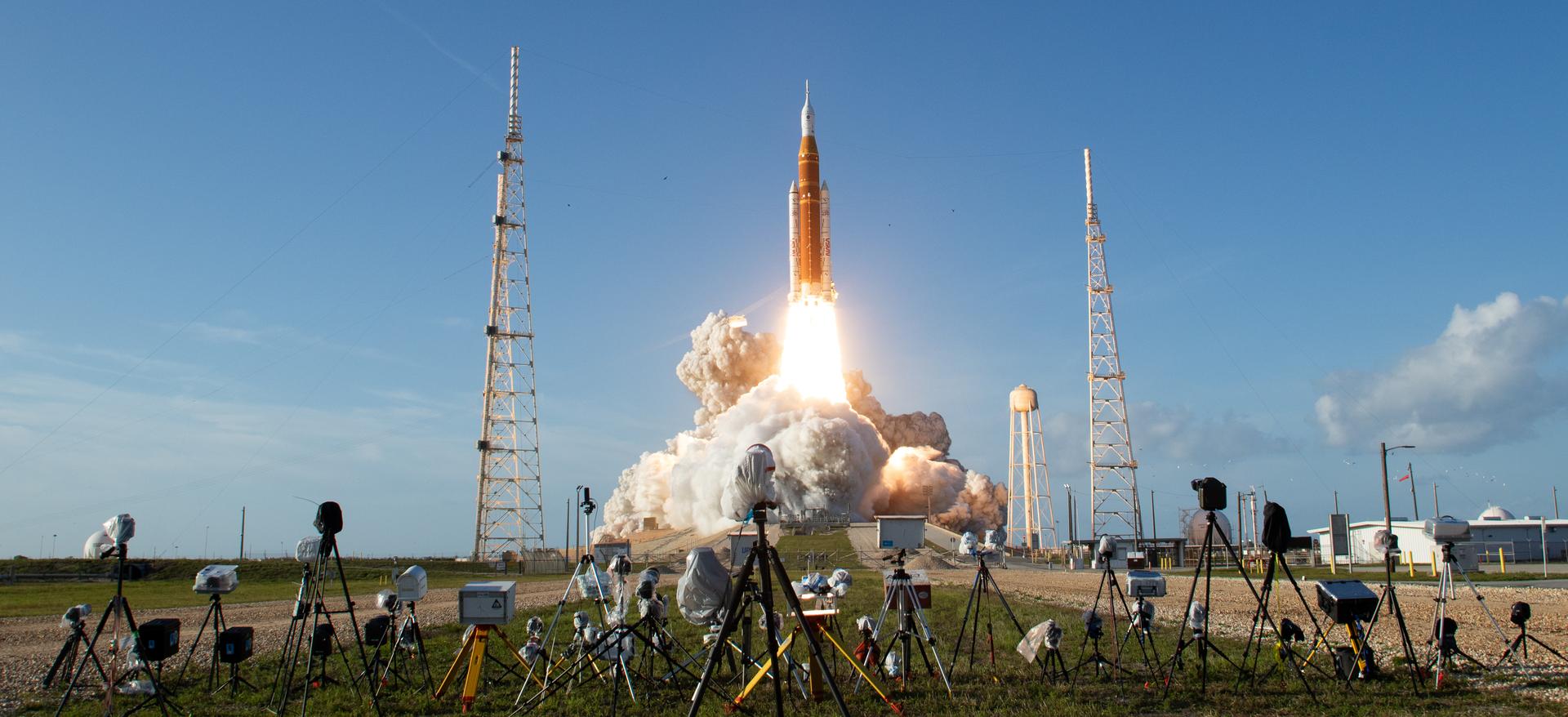
At the heart of NASA’s creative call are several groundbreaking missions that are as scientifically complex as they are narratively rich. The Artemis program, aiming to land the first woman and the next man on the Moon by 2026, is more than a technical achievement—it’s a symbolic return to lunar exploration with global implications. But how do you convey the emotional weight of stepping onto the Moon again after over 50 years? That’s where storytellers come in.
Then there’s nuclear propulsion, a game-changing technology that could cut Mars travel time from nine months to just four. NASA’s Space Reactor-1 Freedom mission, targeting a 2028 launch with the Skyfall payload, represents a leap toward sustainable deep-space travel. Yet, nuclear propulsion remains misunderstood by the public, often shrouded in fears of radiation and meltdowns. A filmmaker or poet could demystify the science, transforming it from a technical footnote into a thrilling chapter in human innovation.
NASA’s aeronautics division is another rich vein for storytelling. From testing hypersonic aircraft to developing quieter supersonic jets and electric planes, the agency is reshaping the future of flight. These efforts may not make headlines like rocket launches, but they have profound implications for climate, travel, and national security. A documentary series or a lyrical song cycle could bring these quieter revolutions to life.
Why Artists? The Power of Narrative in Science Communication
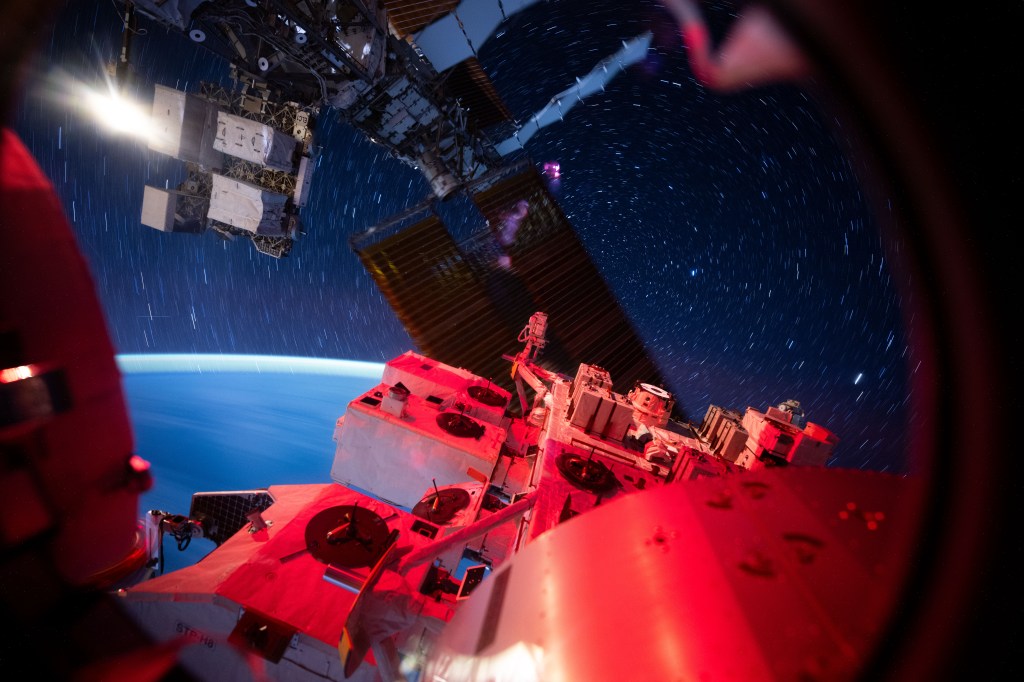
NASA’s decision to seek creative partners isn’t just a publicity stunt—it’s a strategic evolution in science communication. For decades, public engagement with space exploration has been driven by awe-inspiring images: the “Blue Marble” photo from Apollo 17, the Hubble Deep Field, the first images from the James Webb Space Telescope. But images alone aren’t enough. To sustain public interest and funding, NASA needs stories that connect on a human level.
Consider the success of films like Apollo 13 or Hidden Figures. These weren’t just documentaries—they were emotional journeys that turned engineers and astronauts into heroes. They made complex science relatable. By inviting artists into the fold, NASA is acknowledging that storytelling is not a secondary function but a core part of its mission.
Creatives bring unique tools to the table. A poet might capture the loneliness of deep space in a few haunting lines. A musician could compose a symphony that mirrors the rhythm of a rocket launch. A filmmaker might use immersive VR to let viewers “walk” on the Moon. These approaches don’t replace scientific rigor—they enhance it, making the invisible visible and the abstract tangible.
The Logistics: How the Partnership Will Work
The partnership model is designed to be flexible and collaborative. Selected creators won’t receive direct funding from NASA, but they’ll gain unprecedented access to facilities, personnel, and mission data. This could include interviews with mission directors, behind-the-scenes footage from launch sites, or even participation in simulations.
Proposals must outline the creator’s vision, the intended medium (film, music, literature, digital art, etc.), distribution plans, and any specific needs from NASA—such as access to Glenn Research Center or the Johnson Space Center. While the focus is on U.S. creators, international collaborators are welcome as minority partners, reflecting NASA’s global partnerships in space exploration.
This approach mirrors successful models used by other science institutions. The European Space Agency (ESA), for example, has long collaborated with artists through its “Art and Space” program, resulting in everything from space-inspired operas to digital installations. NASA’s move signals a broader trend: science agencies are no longer content to be seen as cold, bureaucratic entities. They want to be cultural leaders.
Up to 10 creators will be selected in this initial round.
Proposals are due by June 30, with selections expected by late summer.
Access may include mission control, labs, and interviews with astronauts.
International collaborators are allowed as minority partners.
The Bigger Picture: Art as a Bridge Between Science and Society
This initiative is more than a PR campaign—it’s a recognition that science doesn’t exist in a vacuum. It’s shaped by culture, funded by public support, and ultimately serves humanity. By inviting artists into the conversation, NASA is acknowledging that the story of space exploration belongs not just to engineers and astronauts, but to all of us.
History shows that great scientific leaps are often accompanied by cultural movements. The Renaissance wasn’t just about art—it was driven by advances in science and technology. The Space Age of the 1960s inspired a wave of music, fashion, and design that defined a generation. Today, as we stand on the brink of a new era of exploration, we need a new cultural renaissance—one that blends the precision of science with the passion of art.
Artists can also help address one of NASA’s biggest challenges: public skepticism. Misinformation about space missions, climate science, and even the shape of the Earth persists. A well-crafted story, grounded in truth but elevated by emotion, can cut through the noise. It can make the case for exploration not just as a scientific endeavor, but as a human one.
What This Means for the Future of Space Storytelling
If successful, NASA’s creative call could set a precedent for how science is communicated in the 21st century. Imagine a future where every major mission is accompanied not just by data, but by a soundtrack, a documentary, a novel, or a dance performance. Where schoolchildren learn about Mars not just from textbooks, but from a song that makes them feel like they’re walking on the Red Planet.
This initiative also opens doors for underrepresented voices. Women, people of color, and artists from non-traditional backgrounds have historically been excluded from both the sciences and the arts. By actively seeking diverse creative partners, NASA can help ensure that the stories of space exploration reflect the full spectrum of human experience.
Moreover, the ripple effects could extend far beyond NASA. Other government agencies, research institutions, and even private space companies might adopt similar models, creating a new ecosystem where art and science co-evolve.
The Role of Technology in Creative Space Storytelling
One of the most exciting aspects of this initiative is the potential for new technologies to enhance storytelling. Virtual reality could allow users to “experience” a Moonwalk or a Mars landing. Augmented reality apps could overlay mission data onto real-world environments. AI-generated music could adapt in real time to mission telemetry, creating a dynamic soundtrack for exploration.
NASA has already experimented with immersive media. The agency’s “Eyes on the Solar System” platform lets users explore planets in 3D, while its collaboration with filmmaker Darren Aronofsky on the documentary When We Were Apollo used archival footage to recreate the Apollo era. The next step is to integrate these tools into collaborative art projects.
A New Constellation of Creators
As NASA prepares to return to the Moon and reach for Mars, it’s not just building rockets—it’s building stories. And in doing so, it’s inviting all of us to be part of the narrative. Whether you’re a filmmaker with a vision, a poet with a metaphor, or a musician with a melody, your voice could help shape how humanity sees itself among the stars.
This is more than a call for proposals. It’s a call to imagination. To empathy. To wonder. In the vast silence of space, stories are the light that guides us forward. And now, NASA is asking the world’s creatives to help turn up the brightness.
This article was curated from Call for Creatives: NASA Seeks Help Illuminating Mission Storytelling via NASA Breaking News