Table of Contents
- Microgravity Medicine: The Dawn of Space-Grown Tissues
- Robotic Surgery in Zero G: A Leap Toward Autonomous Medical Care
- Melanin: Nature’s Radiation Shield, Perfected in Space
- Solid-State Batteries: Powering the Next Era of Space Exploration
- The Human Factor: How Spaceflight Alters Performance
- The Ripple Effect: From Orbit to Everyday Life
- Conclusion: A Laboratory Without Gravity
The Final Frontier of Science: How the ISS Is Revolutionizing Medicine, Materials, and Human Performance
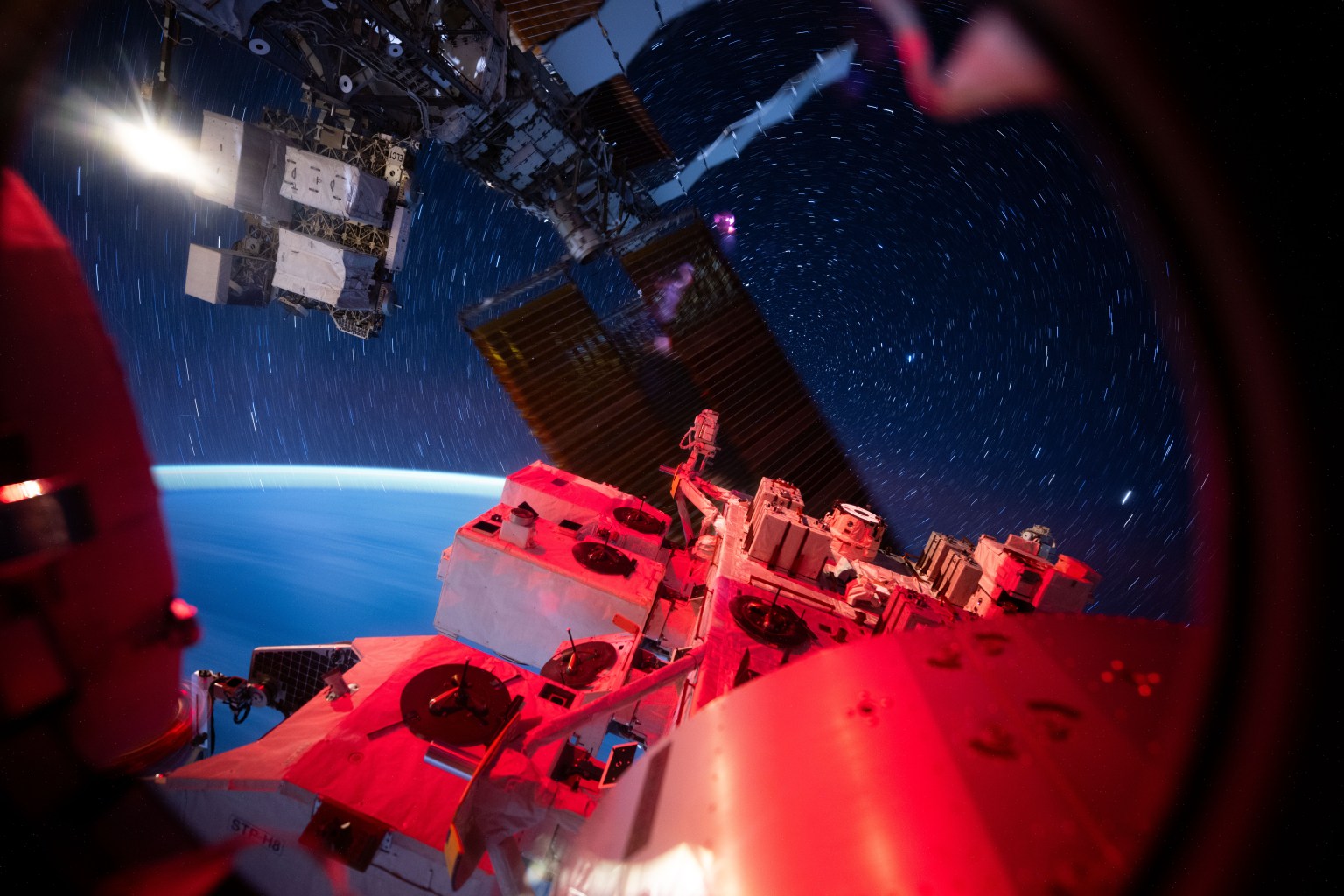
Floating 250 miles above Earth, the International Space Station (ISS) has become humanity’s most advanced laboratory—not just for studying the cosmos, but for solving some of Earth’s most pressing scientific challenges. In 2025, NASA and its international partners unveiled a suite of groundbreaking discoveries from the orbiting outpost, spanning everything from regenerative medicine to next-generation space batteries. These findings aren’t just futuristic experiments; they’re shaping the future of healthcare, materials science, and long-duration space exploration in tangible, life-altering ways.
From miniaturized robotic surgery tools to synthetic bone grown in microgravity, the ISS continues to prove that the vacuum of space is fertile ground for innovation. The microgravity environment—where fluids behave differently, crystals form with near-perfect symmetry, and biological processes unfold without the constant pull of gravity—offers a unique vantage point for scientific discovery. As NASA and its partners prepare for missions to the Moon and Mars, the knowledge gained aboard the ISS is becoming indispensable.
Microgravity Medicine: The Dawn of Space-Grown Tissues
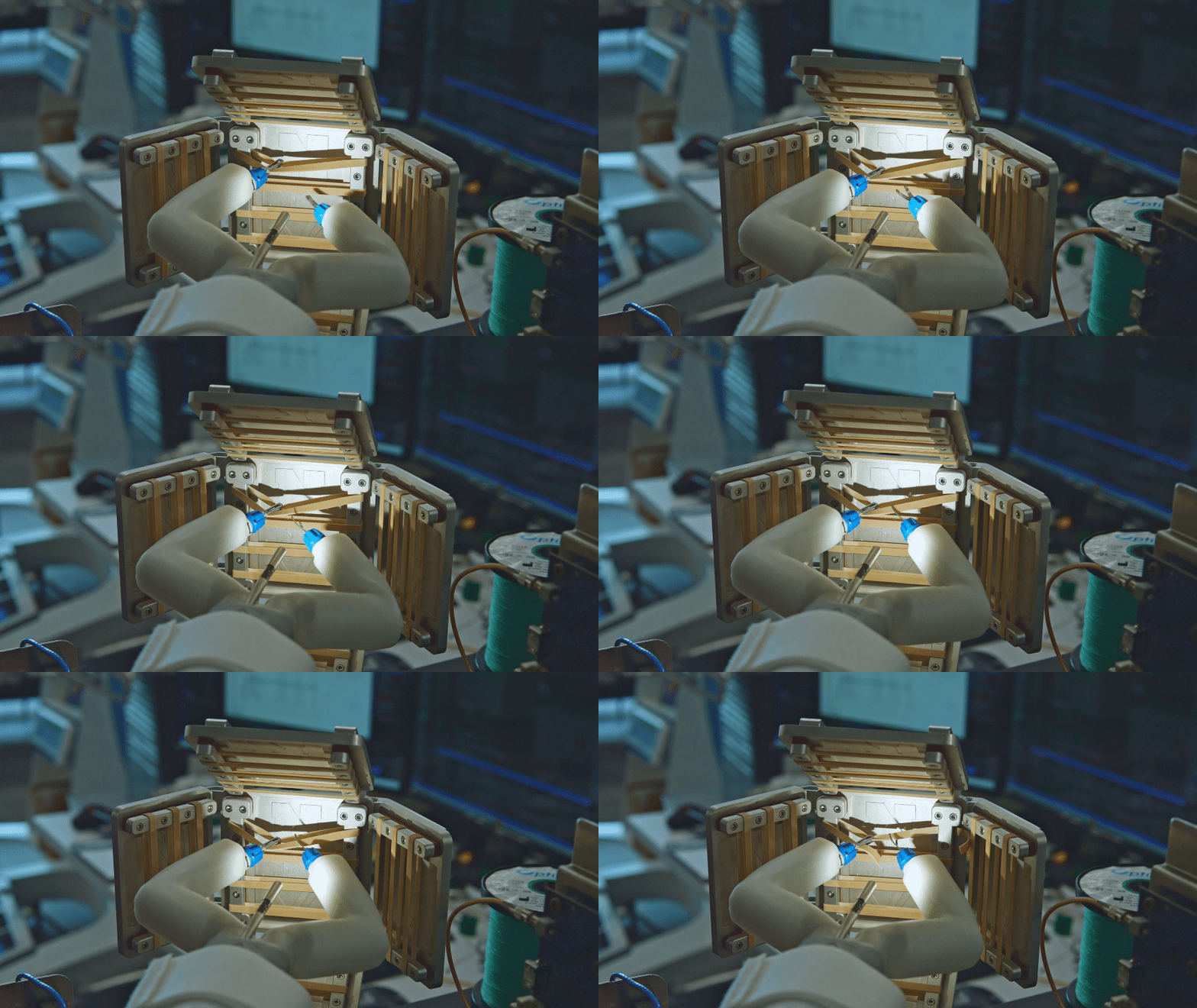
One of the most promising frontiers in space-based science is regenerative medicine. In a landmark experiment, researchers aboard the ISS successfully developed synthetic bone graft materials using calcium phosphate crystals grown in microgravity. When compared to Earth-grown counterparts, these space-cultured crystals demonstrated superior structural integrity and enhanced support for bone growth and healthy tissue integration.
The implications are profound. On Earth, bone grafts often fail due to poor integration or rejection, leading to prolonged recovery times and additional surgeries. But the space-grown materials showed a remarkable ability to encourage osteogenesis—the formation of new bone—thanks to their highly ordered crystalline structure. This precision is difficult to replicate in Earth’s gravity, where sedimentation and convection disrupt crystal formation.
The success of this experiment opens the door to manufacturing advanced biomaterials in orbit—materials that could one day be used in hospitals to treat trauma patients, osteoporosis sufferers, and even those recovering from cancer-related bone loss. Imagine a future where custom bone grafts are 3D-printed in space and shipped back to Earth, tailored to a patient’s exact anatomy.
Robotic Surgery in Zero G: A Leap Toward Autonomous Medical Care
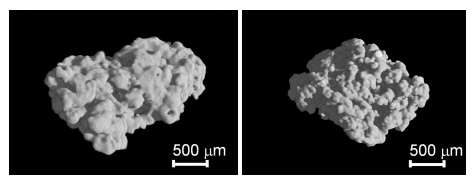
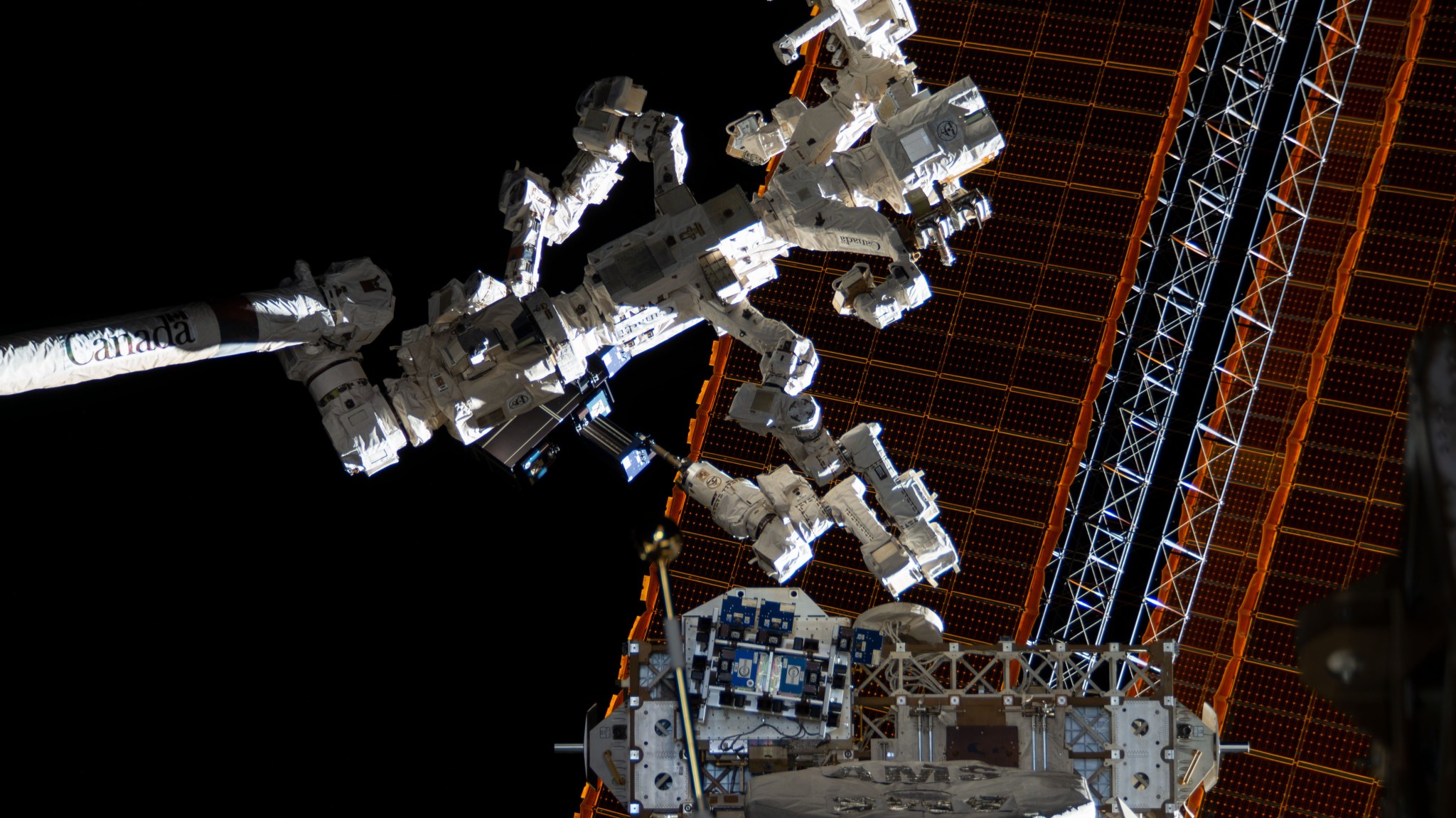
As humanity ventures deeper into space, the need for autonomous medical systems becomes critical. Astronauts on a Mars mission, for instance, can’t rely on real-time communication with Earth-based surgeons due to signal delays of up to 20 minutes. To address this, NASA tested the Robotic Surgery Tech Demo, a compact robotic system designed to perform minimally invasive procedures in microgravity.
The device, developed by Virtual Incision, simulates surgical tasks using rubber bands and synthetic tissue models. While still in the demonstration phase, the technology represents a major step toward self-sufficient medical care in space. The robot’s small size—roughly that of a lunchbox—makes it ideal for spacecraft where every cubic inch counts.
Beyond space, this technology has Earth-bound applications. Rural hospitals and battlefield medics could benefit from portable robotic surgery units that bring advanced care to underserved areas. The lessons learned from operating in microgravity—where precision and stability are paramount—are already influencing the design of next-generation surgical robots on Earth.
Melanin: Nature’s Radiation Shield, Perfected in Space
Radiation exposure remains one of the biggest threats to astronauts on deep-space missions. Beyond Earth’s protective magnetosphere, cosmic rays and solar particles can damage DNA, increase cancer risk, and impair cognitive function. To combat this, scientists are turning to an unexpected ally: melanin.
Melanin, the pigment responsible for skin color, has natural radiation-absorbing properties. In a novel experiment, researchers infused melanin into various materials and tested their effectiveness as radiation shields aboard the ISS. The results were striking: melanin-infused composites showed significant protection against ionizing radiation, outperforming many conventional materials in terms of weight and efficiency.
Melanin can absorb up to 99.9% of ultraviolet radiation and also neutralizes free radicals, making it a dual-purpose protector against both radiation and oxidative stress.
This discovery has far-reaching implications. On Earth, melanin-based materials could revolutionize medical imaging, where lead aprons are currently used to shield patients from X-rays. A lightweight, flexible melanin shield could offer better protection without the discomfort of heavy gear. Additionally, these materials could be used in UV-resistant clothing, space habitats, and even radiation-hardened electronics for satellites.
Solid-State Batteries: Powering the Next Era of Space Exploration
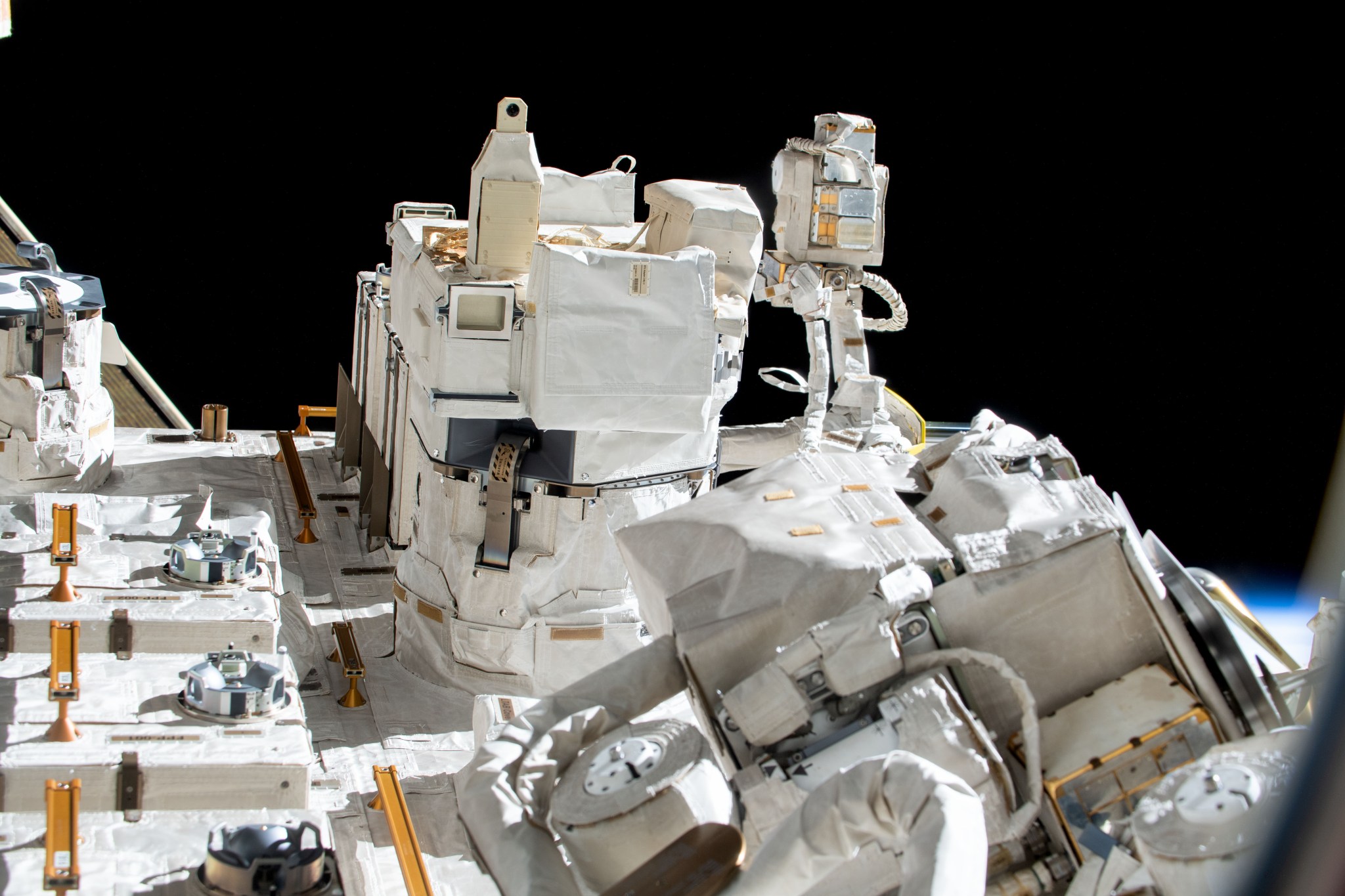
Energy storage is a critical bottleneck for long-duration space missions. Traditional lithium-ion batteries, while reliable, are prone to overheating, have limited lifespans, and degrade quickly under extreme conditions. Enter the All Solid-State Lithium Ion Battery, a JAXA-led investigation that tested next-generation batteries on the exterior of the ISS.
These batteries use a solid electrolyte instead of the flammable liquid found in conventional designs. The result? Greater chemical stability, resistance to ignition, and the ability to operate across a much wider temperature range—from the scorching heat of direct sunlight to the frigid cold of Earth’s shadow.
They offer up to 50% higher energy density, meaning more power in less space.
They are non-flammable, reducing the risk of fire in confined spacecraft environments.
Lifespan tests show they can endure over 10,000 charge cycles with minimal degradation.
They are being considered for use in NASA’s Artemis missions to the Moon.
The success of these batteries could accelerate the adoption of electric propulsion systems for spacecraft and enable longer missions with fewer resupply needs. On Earth, the technology is already attracting interest from electric vehicle manufacturers and renewable energy storage companies.
The Human Factor: How Spaceflight Alters Performance
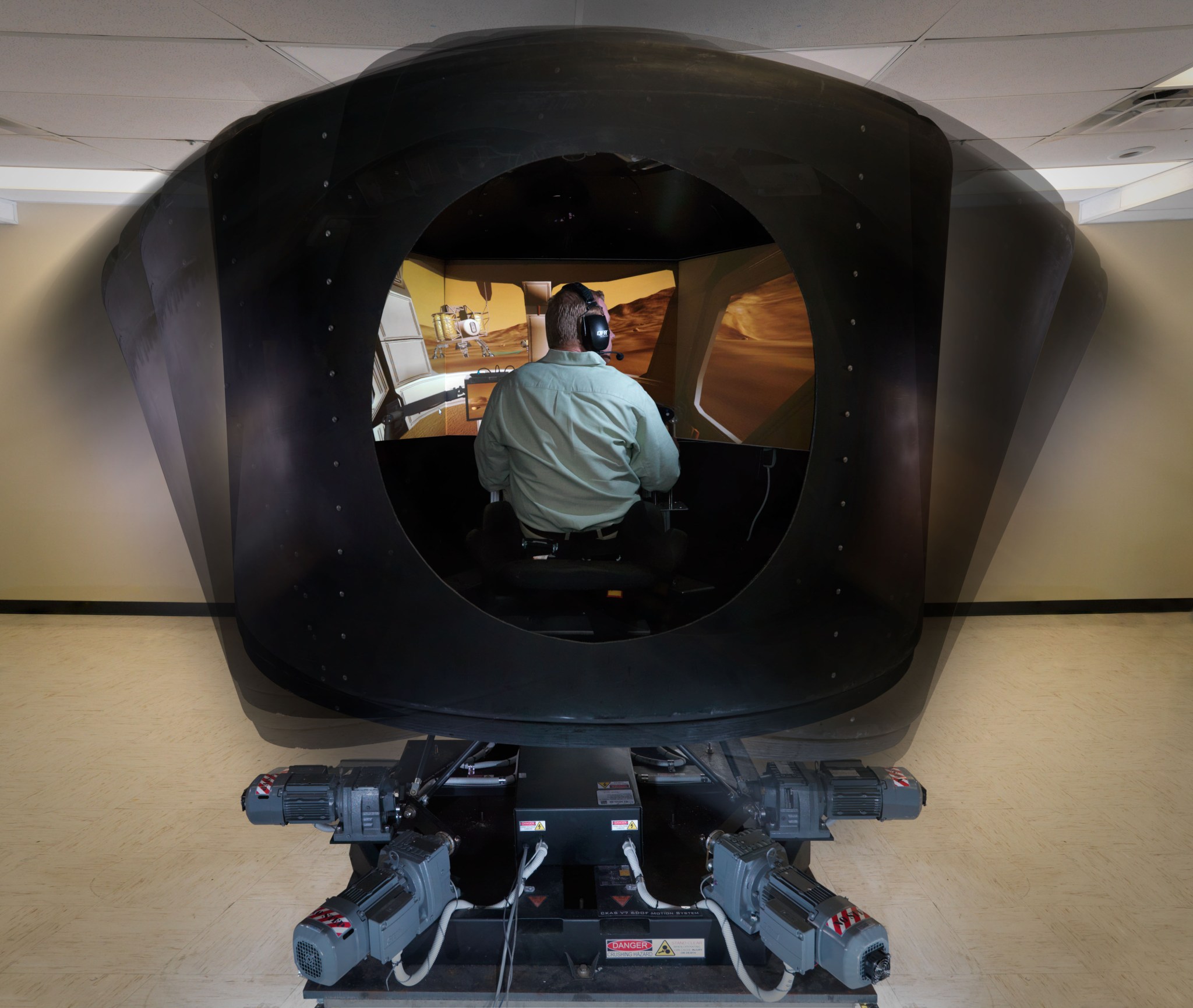
Even with advanced technology, human performance remains central to mission success. NASA’s ongoing research into astronaut cognition and motor skills has revealed surprising insights. In a study involving five experienced astronauts, researchers used flight simulators to assess performance before and after long-duration missions on the ISS.
The results were concerning: upon return to Earth, astronauts showed degraded performance in simulated aircraft landings. Touchdown speeds were higher, and navigational errors increased—signs of impaired spatial orientation and motor control. However, most astronauts recovered to baseline levels after a second attempt on the same day, suggesting that re-adaptation is possible with brief retraining.
The first studies on astronaut motor performance date back to the Apollo missions. Neil Armstrong famously overshot the lunar landing site due to perceptual challenges in the Moon’s low-gravity environment—a reminder that even the most skilled pilots face adaptation hurdles in space.
These findings underscore the need for post-mission rehabilitation programs and real-time performance monitoring during re-entry. As NASA plans for Mars missions lasting years, understanding how the brain and body adapt—and readapt—to gravity will be crucial for crew safety and mission success.
The Ripple Effect: From Orbit to Everyday Life
The science conducted on the ISS doesn’t just benefit astronauts—it transforms life on Earth. The technologies and discoveries emerging from microgravity research are already making their way into hospitals, energy grids, and consumer products.
For example, the lessons learned from growing protein crystals in space have led to new cancer drugs with fewer side effects. The development of compact robotic surgery tools could democratize access to high-quality medical care in remote regions. And melanin-based radiation shields might one day protect cancer patients undergoing radiation therapy, reducing collateral damage to healthy tissue.
As the ISS approaches the end of its operational life—currently planned for 2030—the legacy of its scientific contributions will endure. Private space stations are already in development, ensuring that the era of microgravity research will continue. The knowledge gained from these orbiting labs is not just about reaching the stars; it’s about improving life right here at home.
Conclusion: A Laboratory Without Gravity
The International Space Station has evolved from a symbol of international cooperation into a powerhouse of scientific innovation. The 2025 results highlight how microgravity research is not a luxury, but a necessity—for exploring the cosmos and healing our planet. From synthetic bones to solid-state batteries, from robotic surgeons to melanin shields, the ISS continues to push the boundaries of what’s possible.
As we stand on the brink of a new era in space exploration, one truth becomes clear: the most profound discoveries often happen not on Earth, but in the silent, weightless expanse above it. The ISS is more than a space station—it’s a beacon of human ingenuity, proving that even in the void, we can grow, heal, and power the future.
This article was curated from NASA Highlights 2025 International Space Station Science Results via NASA Breaking News