Table of Contents
- The Problem with Widgets: Fragmentation and Inefficiency
- Remote Compose: The Engine Behind the Magic
- A Unified Development Experience with Jetpack Glance
- Backward Compatibility: No Device Left Behind
- Real-World Impact: From Smartphones to Smart Cars
- The Future of Android Widgets: Interactive, Intelligent, and Everywhere
- Developer Adoption and the Road Ahead
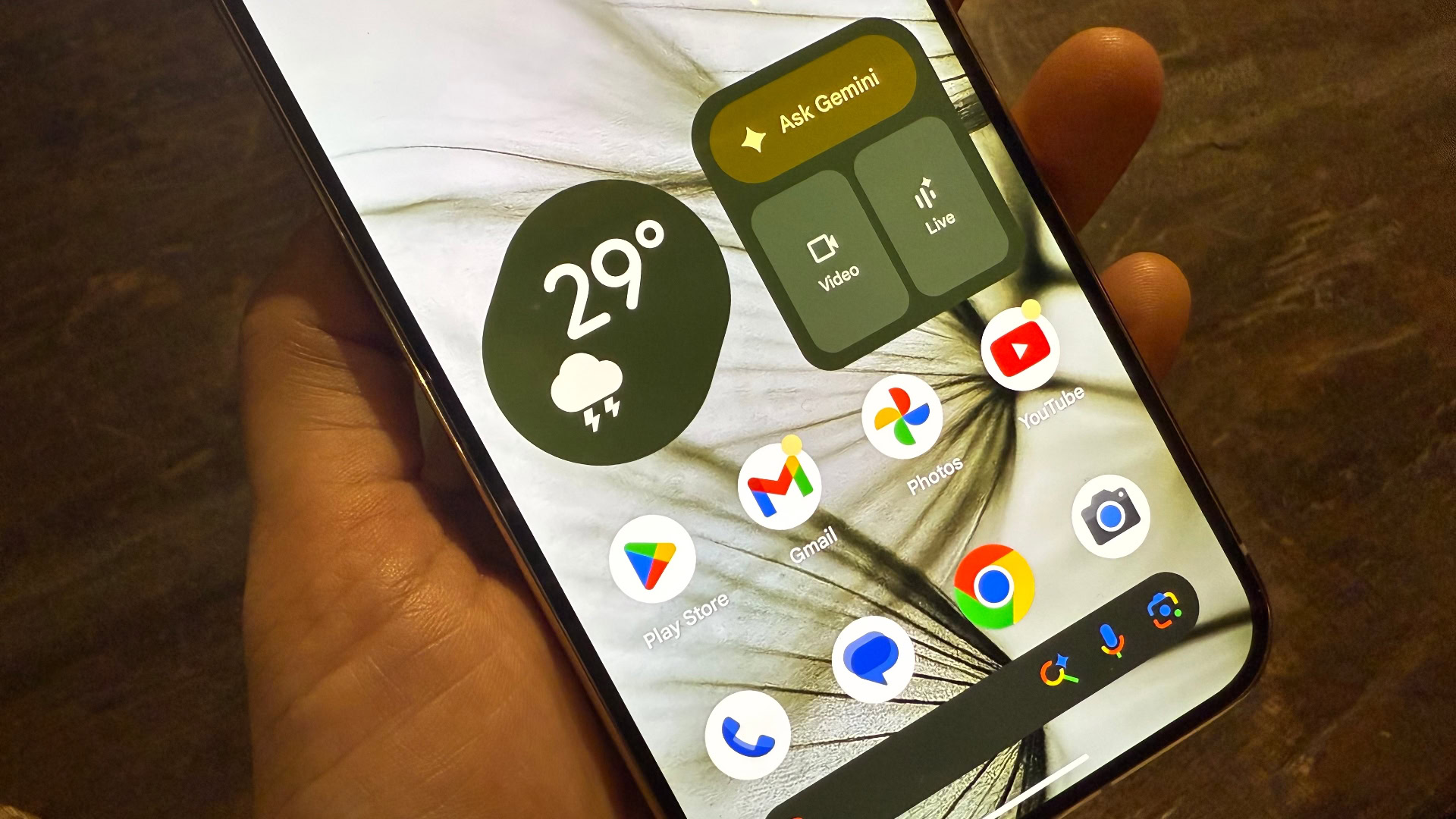
Your Android home screen widgets are about to get a massive upgrade—and it’s not just about flashy animations. Google has unveiled a sweeping transformation at Google I/O 2026 that redefines how widgets function across Android phones, wearables, and even car dashboards. This isn’t a cosmetic refresh; it’s a foundational shift in how widgets are built, rendered, and experienced. At the heart of this revolution is Remote Compose, a new rendering engine integrated into Jetpack Glance, Google’s modern toolkit for widget development.
For years, Android widgets have been caught in a paradox: beloved for their convenience, yet plagued by performance issues and design limitations. They’ve often felt like afterthoughts—static, clunky, and power-hungry. But with Remote Compose, Google is tearing down the technical barriers that have held widgets back. This new system enables widgets to run rich, interactive experiences directly within the Android system layer, without needing to wake up the host app. The result? Smoother animations, dynamic theming, real-time resizing, and significantly improved battery life.
This overhaul marks a turning point in Android’s evolution—one that could finally bring widgets into the modern era of mobile computing.
The Problem with Widgets: Fragmentation and Inefficiency
To understand why this upgrade matters, we need to look at how widgets have worked—or rather, malfunctioned—for over a decade. Traditionally, Android widgets relied on two separate, incompatible frameworks: RemoteViews for mobile devices and ProtoLayout for wearables like smartwatches. These systems were built on different architectures, used different languages (XML vs. protocol buffers), and required developers to write and maintain two entirely different codebases for the same functionality.

This fragmentation meant that a weather widget on your phone looked and behaved differently than the one on your watch—even if they came from the same app. Worse, every time a widget needed to update, it had to wake up the host app, consuming CPU cycles, draining the battery, and introducing lag. The experience was clunky, inconsistent, and often frustrating.
Imagine trying to build a house where the kitchen, bathroom, and living room all used different plumbing systems. That’s what widget development has been like for Android developers. They’ve had to juggle multiple tools, deal with performance bottlenecks, and accept compromises in design and functionality. Users, in turn, have had to settle for widgets that are either too simple or too resource-intensive.
Remote Compose changes all of that. By unifying the rendering engine across devices, Google is enabling a “write once, run anywhere” model for widgets. Developers can now design a single widget experience that adapts seamlessly to phones, watches, and car dashboards—without rewriting code or sacrificing performance.
Remote Compose: The Engine Behind the Magic
So, what exactly is Remote Compose, and how does it work? At its core, Remote Compose is a new rendering engine that brings the power of Jetpack Compose—Google’s modern UI toolkit for Android—into the widget ecosystem. But unlike traditional widgets, which rely on the host app to process updates, Remote Compose handles rendering, logic, and animations directly within the Android system layer.

This means that when you resize a widget or see it animate in real time, the system doesn’t need to wake up the app. Instead, it uses pre-compiled Compose code that runs efficiently in the background. The result is a smoother, faster, and more responsive experience—similar to how live wallpapers or system animations work today.
Remote Compose also introduces dynamic theming, allowing widgets to automatically adapt to your system theme—light, dark, or custom—without requiring app updates. Want your calendar widget to match your phone’s color scheme? It happens instantly. Particle effects, smooth transitions, and even micro-interactions (like a button press animation) are now possible, all while maintaining low power consumption.
A Unified Development Experience with Jetpack Glance
For developers, this upgrade is a game-changer. Jetpack Glance, the framework that now integrates Remote Compose, offers a modern, Kotlin-based API that simplifies widget creation. Instead of wrestling with XML layouts and complex lifecycle management, developers can use familiar Compose syntax to design rich, interactive widgets.
For example, a music widget can now include animated album art, real-time playback controls, and dynamic lyrics—all rendered efficiently without draining the battery. A fitness widget can show live heart rate data with smooth graphs and color-coded zones, adapting instantly to your watch’s screen size.
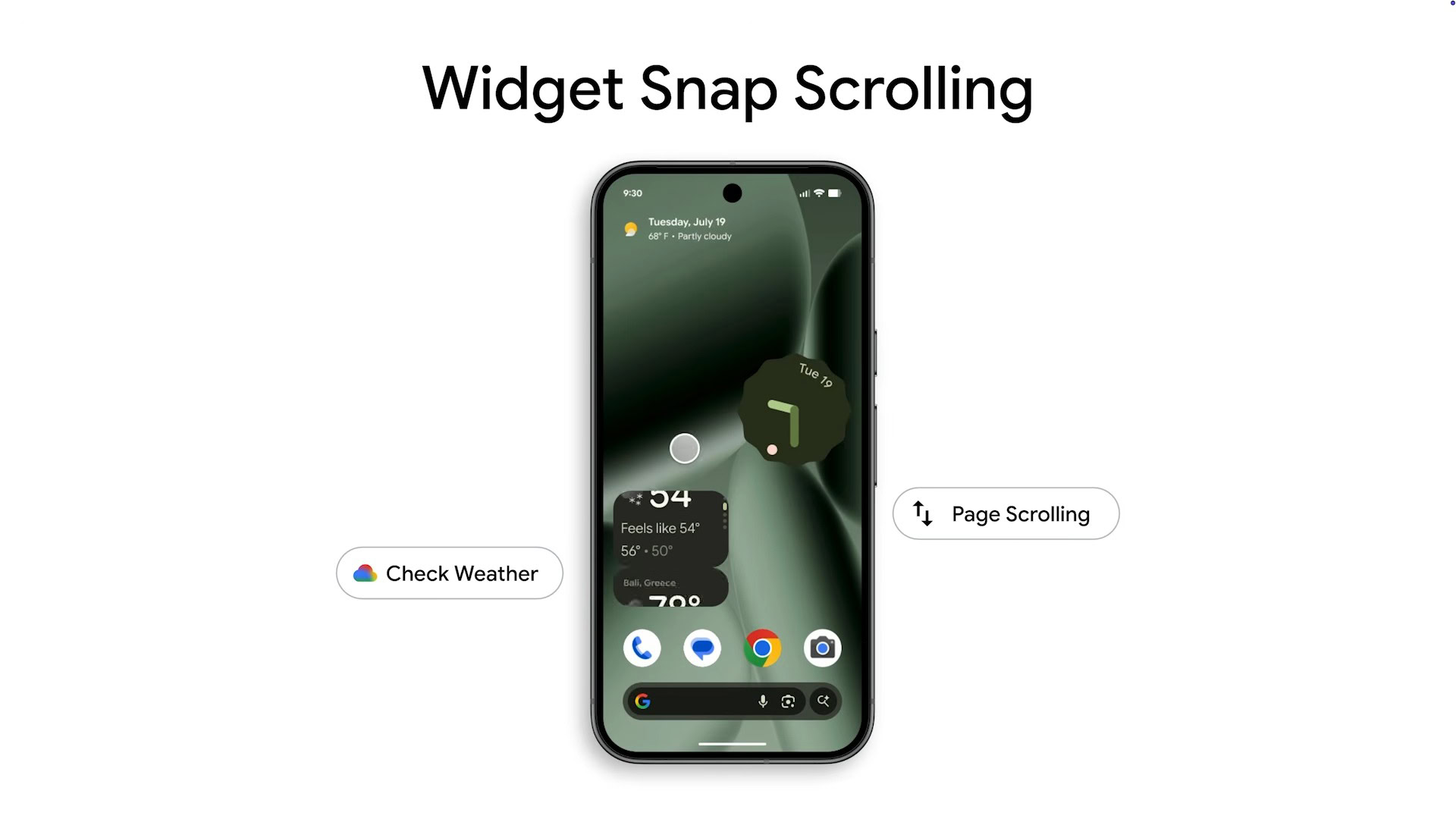
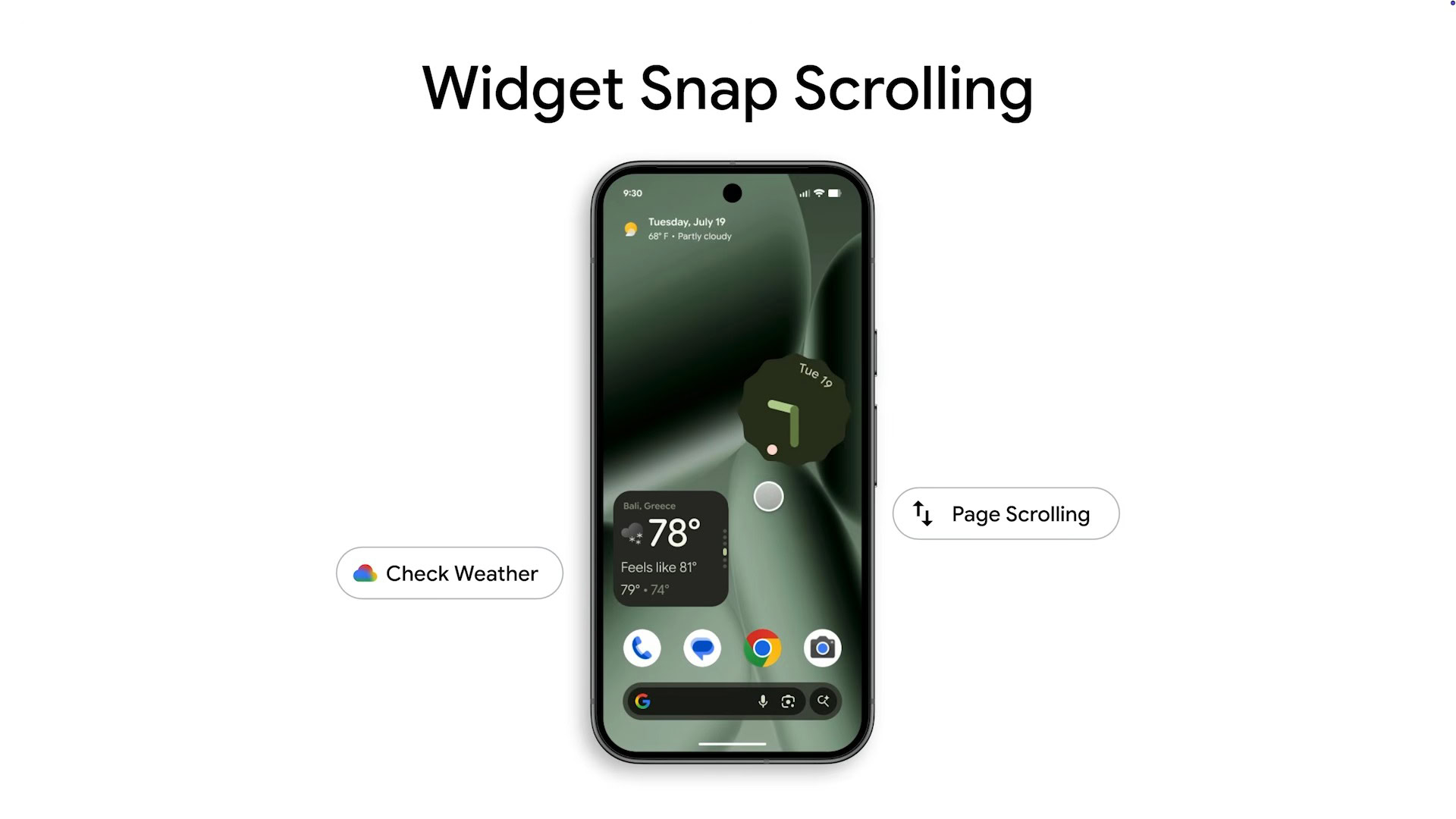
This unified approach also extends to adaptive design. With Remote Compose, widgets can intelligently resize and reconfigure based on screen size and context. A weather widget might show just the temperature on a smartwatch, but expand to include hourly forecasts, radar maps, and air quality on a phone. All of this happens automatically, thanks to the system’s ability to interpret the widget’s layout rules.
Backward Compatibility: No Device Left Behind
One of the biggest challenges in Android development is fragmentation—millions of devices running different versions of the OS. Google has addressed this head-on with a smart backward compatibility strategy.
Widgets built with Remote Compose will be natively supported on Android 16 and above, offering the full range of features: animations, dynamic theming, and real-time interactions. But for older devices running Android 15 and below, Google has implemented safe, static fallbacks. These fallbacks preserve core functionality—like displaying the current time or weather—while gracefully omitting advanced features.
This approach ensures that no user is left behind. Even if your phone can’t run the latest Android version, you’ll still get a functional, if simplified, version of the widget. It’s a pragmatic solution that balances innovation with inclusivity—a hallmark of Google’s broader Android strategy.
Real-World Impact: From Smartphones to Smart Cars
The implications of this upgrade extend far beyond your phone’s home screen. Remote Compose is designed to work across the entire Android ecosystem, including wearables and Android Auto dashboards.
Imagine driving and seeing your navigation widget update in real time with traffic alerts, estimated arrival times, and alternate routes—all rendered smoothly on your car’s display. Or glancing at your smartwatch to see a live-updating workout widget that tracks your pace, heart rate, and calories burned with animated visuals.
These experiences are now possible because Remote Compose treats all Android surfaces—phone, watch, car—as part of a unified interface layer. Developers no longer need to build separate widgets for each platform. Instead, they can create a single, adaptive widget that intelligently adjusts to its environment.
Dynamic theming allows widgets to match system colors instantly, improving visual consistency.
Smooth resizing transitions eliminate jarring layout jumps when adjusting widget size.
Particle effects and micro-animations are now possible without performance penalties.
Backward compatibility ensures older devices still receive functional widget updates.
The Future of Android Widgets: Interactive, Intelligent, and Everywhere
This overhaul isn’t just about making widgets prettier—it’s about making them smarter and more useful. With Remote Compose, widgets are evolving from passive information displays into interactive, context-aware tools.
In the near future, we could see widgets that respond to voice commands, adapt based on your location, or even integrate with AI assistants to provide proactive suggestions. A calendar widget might highlight important meetings based on your schedule, while a news widget could prioritize stories based on your reading habits.
Google’s vision is clear: widgets should be an extension of your digital life, not just a static snapshot. By moving rendering and logic into the system layer, Remote Compose lays the groundwork for a new era of ambient computing—where information is always available, always up to date, and always in context.
Developer Adoption and the Road Ahead
For this transformation to succeed, Google needs widespread developer adoption. The good news? The tools are now more accessible than ever. Jetpack Glance’s Kotlin-based API lowers the barrier to entry, and Google is providing extensive documentation, sample code, and migration guides.
Early adopters—like Google’s own apps (Calendar, Weather, Clock)—are already rolling out Remote Compose-powered widgets. Third-party developers are expected to follow suit, especially as users begin to expect richer, more interactive experiences.
Still, challenges remain. Not all apps will benefit equally from advanced widgets, and some may resist the shift due to development costs. But as users grow accustomed to smoother, more dynamic interfaces, the pressure to upgrade will only increase.
Google’s long-term goal is to make widgets a first-class citizen of the Android experience—equal in importance to apps themselves. With Remote Compose, that vision is finally within reach.
The next time you glance at your home screen, you might not just see a clock or a weather icon. You could be looking at a living, breathing interface—one that responds, adapts, and evolves with you. And it all starts with a quiet revolution happening under the hood: Remote Compose.
This article was curated from Your Android home screen widgets are about to get a ton of upgrades via Android Authority