Table of Contents
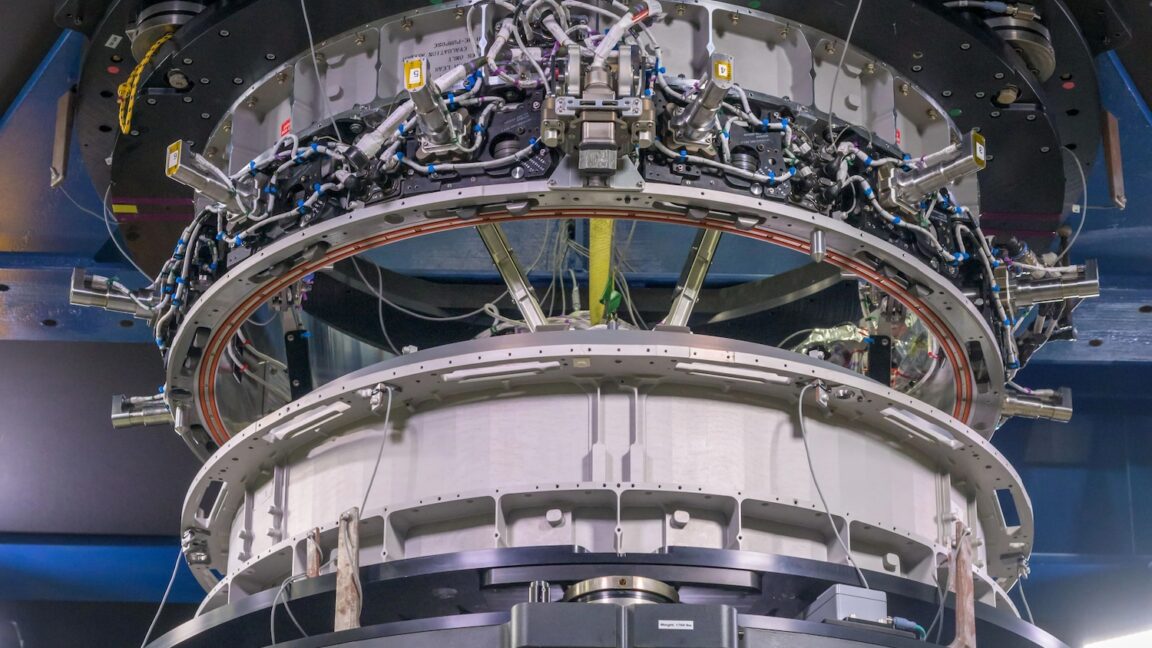
The countdown to humanity’s return to the Moon has hit a new milestone—but not in the way many expected. NASA’s Artemis III mission, once envisioned as the first crewed lunar landing since Apollo 17 in 1972, has been reimagined. Instead of planting boots on the Moon’s surface, the mission will now launch astronauts into Earth orbit to test and evaluate the very spacecraft designed to carry them there: SpaceX’s Starship Human Landing System and Blue Origin’s Blue Moon lander. According to NASA Administrator Jared Isaacman, this pivotal test flight is now targeted for no earlier than late 2027—a significant delay from earlier projections.
This strategic pivot marks a turning point in NASA’s Artemis program. Rather than rushing toward a high-risk lunar landing, the agency is opting for a cautious, methodical approach. By conducting an in-orbit rendezvous and docking demonstration with both commercial landers, NASA aims to validate critical systems—life support, propulsion, communication, and crew transfer protocols—before committing to a surface mission. It’s a move reminiscent of the Apollo program’s early orbital tests, but with a 21st-century twist: reliance on private-sector innovation and reusable spacecraft.
The decision reflects growing recognition that lunar exploration is no longer a sprint, but a marathon. With geopolitical, technological, and budgetary pressures mounting, NASA is prioritizing safety and sustainability. The revised Artemis III mission underscores a broader shift in space policy: from symbolic firsts to enduring presence. As we stand on the brink of a new era of deep space exploration, this delay may not be a setback—but a necessary recalibration.
A New Blueprint for Lunar Return
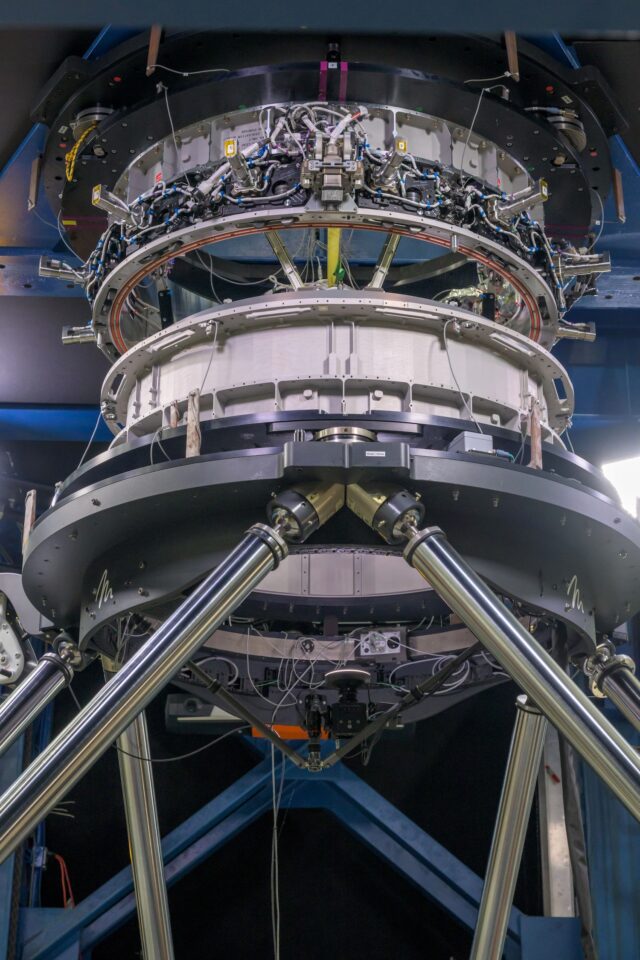
Artemis III was originally conceived as the mission that would return humans to the Moon’s surface, specifically targeting the lunar South Pole—a region rich in water ice and scientific potential. But technical challenges, supply chain delays, and the unprecedented complexity of integrating commercial landers into NASA’s architecture have forced a rethink. Now, the mission will serve as a critical proving ground in low-Earth orbit (LEO), where astronauts aboard the Orion spacecraft will meet and inspect the landers before they embark on their lunar journeys.
This change in mission profile allows NASA to conduct essential validation without the extreme risks of a lunar descent. In LEO, astronauts can abort more easily, communications are more reliable, and resupply or rescue options are more feasible. It’s akin to test-driving a new car on a closed track before taking it on a cross-country road trip. The landers will be launched separately—likely atop SpaceX’s Super Heavy booster and Blue Origin’s New Glenn rocket—and then maneuver to rendezvous with Orion.
This orbital handshake will test everything from navigation systems to crew transfer procedures. Astronauts will evaluate the landers’ habitability, assess docking mechanisms, and simulate emergency scenarios. The data gathered will inform future mission designs, including Artemis IV and beyond, which aim to land humans on the Moon and establish a sustainable presence via the Lunar Gateway station.

Why Earth Orbit? The Strategic Rationale
Choosing low-Earth orbit over a direct lunar mission is more than a safety precaution—it’s a calculated engineering and logistical decision. One of the most pressing concerns is the availability of the Space Launch System’s (SLS) upper stage, known as the Interim Cryogenic Propulsion Stage (ICPS). Only a limited number of these stages were built, and each is a precious asset for deep space missions.
By flying Artemis III in LEO, NASA can potentially preserve one of these upper stages for Artemis IV, the actual lunar landing mission. A higher orbit or trans-lunar injection would require the full power of the SLS with its ICPS, depleting a scarce resource. Instead, NASA is investing in a new commercial upper stage—the Centaur V from United Launch Alliance—to pair with future SLS launches. This transition marks a shift toward more sustainable, cost-effective deep space propulsion.
Moreover, testing in Earth orbit allows NASA to simulate many aspects of lunar operations without the added complexity of deep space radiation, communication delays, and extreme thermal environments. While LEO lacks the vacuum and microgravity extremes of cislunar space, it provides a realistic enough environment to validate key technologies. Think of it as a high-fidelity dress rehearsal—minus the final act.
The Role of SpaceX and Blue Origin
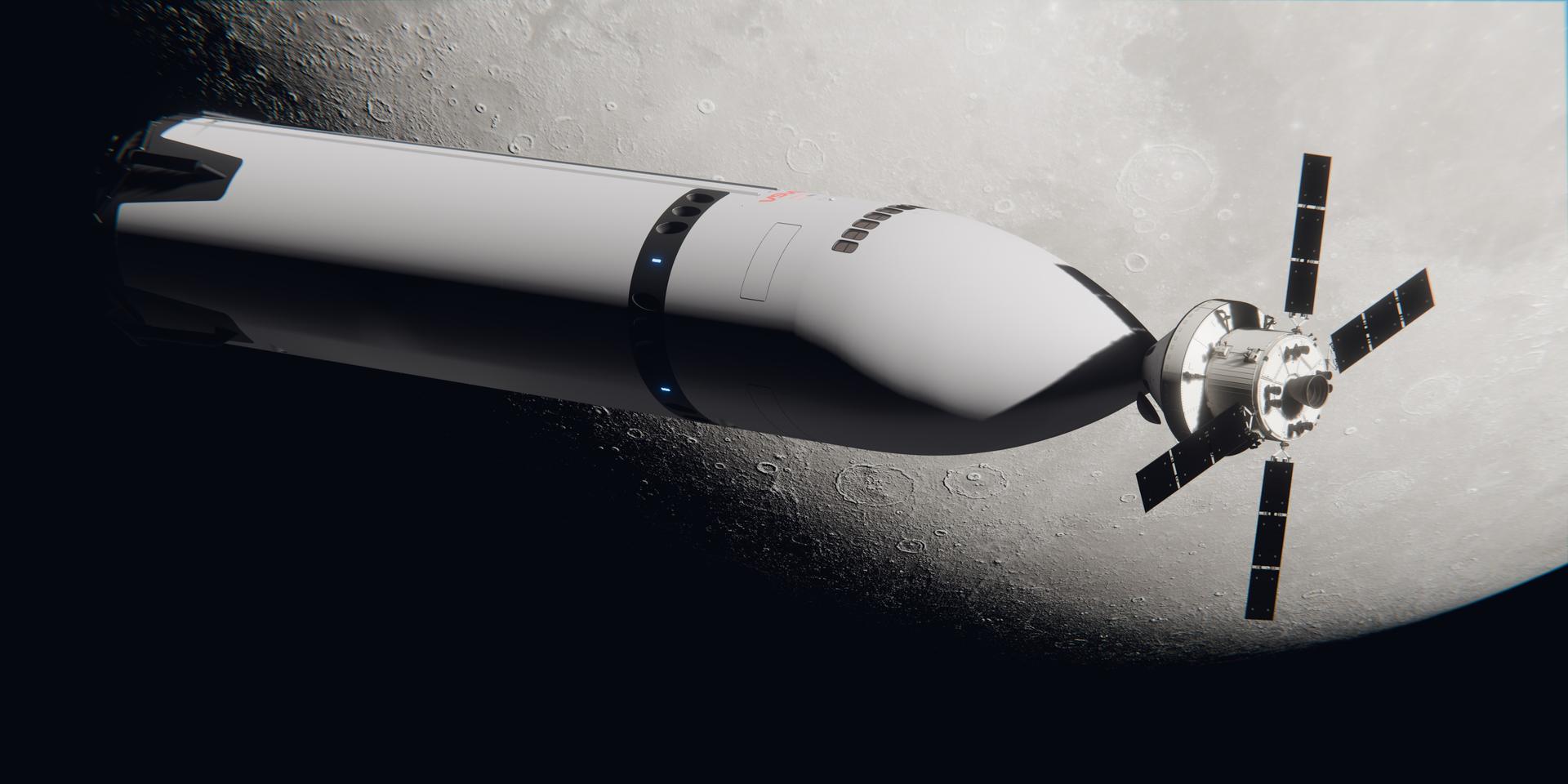
The Artemis III mission is a testament to NASA’s growing reliance on commercial partners. SpaceX and Blue Origin, two of the most ambitious private space companies, are not just contractors—they are co-architects of the next chapter in human spaceflight. Their landers represent a radical departure from traditional NASA design, emphasizing reusability, scalability, and rapid iteration.
SpaceX’s Starship Human Landing System (HLS) is a towering 50-meter spacecraft designed to carry up to 100 metric tons to the Moon. It’s powered by Raptor engines fueled by methane and liquid oxygen—a combination chosen for its efficiency and potential for in-situ resource utilization on the Moon. Blue Origin’s Blue Moon lander, meanwhile, is a more modular design, capable of delivering cargo and crew with precision landing capabilities.
Both companies face significant technical hurdles. Starship has yet to complete a fully successful orbital flight, and Blue Origin’s New Glenn rocket has not yet launched. Yet NASA’s confidence in these systems reflects a broader trend: the agency is betting on innovation over tradition. By leveraging private-sector agility, NASA can accelerate development while sharing financial and technical risk.

The Orion Capsule: NASA’s Workhorse in the Sky
At the heart of Artemis III is the Orion spacecraft—a marvel of modern engineering designed for deep space exploration. Unlike the space shuttles that operated exclusively in LEO, Orion is built to withstand the rigors of cislunar space: extreme temperatures, radiation, and high-speed re-entry. Its heat shield, for example, is the largest of its kind ever built, capable of enduring temperatures up to 2,760°C (5,000°F) during Earth return.
For Artemis III, Orion will serve as the command module for a crew of four astronauts. After launching atop the SLS rocket, Orion will enter a stable orbit around Earth, where it will await the arrival of the landers. The mission will test Orion’s docking system—a critical capability for future missions involving the Lunar Gateway and surface landers.
The spacecraft can support a crew of four for up to 21 days in deep space.
Orion’s Launch Abort System can pull the crew module to safety in milliseconds during an emergency.
It features advanced radiation shielding to protect astronauts from solar flares and cosmic rays.
The spacecraft’s computer is 400 times faster than those used on the space shuttle.
Orion’s role in Artemis III is not just about transportation—it’s about integration. The mission will demonstrate how NASA’s flagship spacecraft can interface with commercial landers, setting the stage for a modular, interoperable lunar architecture. This interoperability is key to long-term sustainability, allowing different vehicles to dock, transfer crew, and share resources.

The Road Ahead: From Test Flight to Lunar Settlement
Artemis III is more than a mission—it’s a milestone in the evolution of space exploration. By delaying the lunar landing and focusing on orbital testing, NASA is laying the groundwork for a permanent human presence beyond Earth. The lessons learned from Artemis III will directly inform Artemis IV, which aims to land the first woman and the next man on the Moon, and Artemis V, which will begin construction of the Lunar Gateway.
The Gateway, a small space station in lunar orbit, will serve as a staging point for surface missions, scientific research, and international collaboration. It will host crews, store supplies, and enable long-duration exploration. Artemis III’s success is a prerequisite for Gateway operations, as it will validate the systems needed to transport astronauts between Orion, the landers, and the station.
Looking further ahead, the technologies tested in Artemis III could pave the way for missions to Mars. The ability to dock, transfer crew, and operate in deep space is essential for interplanetary travel. NASA’s cautious approach today may well enable humanity’s giant leap tomorrow.
As we await the late 2027 launch, one thing is clear: the journey back to the Moon is not just about reaching the surface—it’s about building the infrastructure, partnerships, and knowledge to stay there. Artemis III, in its revised form, is not a detour. It’s the next logical step in our species’ expansion into the cosmos.
This article was curated from Put it in pencil: NASA's Artemis III mission will launch no earlier than late 2027 via Ars Technica – Science