Table of Contents

The $54 Million Gamble: How Peter Molyneux’s Legacy Left Players in Ruins While Funding His Final Act
In the world of video games, few names carry the weight of Peter Molyneux—the visionary behind Populous, Black & White, and Fable. Revered for his ambitious promises and god-game innovations, Molyneux has long been a polarizing figure: part genius, part cautionary tale. Now, as he prepares to release Masters of Albion—which he claims will be his final game—a shadow looms over his legacy, one built not just on creative triumphs but on the financial wreckage of players who believed in his vision. These weren’t just casual gamers; they were early adopters, crypto enthusiasts, and die-hard fans who poured $54 million in cryptocurrency into Legacy, a blockchain-based god game that collapsed almost immediately after launch.
The story of Legacy is not just about a failed game—it’s a microcosm of the broader crypto-gaming boom and bust, where hype outpaced reality, and trust was weaponized. Players didn’t just buy a game; they invested in a dream: a revolutionary economic simulation where in-game assets could generate real-world income through “play-to-earn” mechanics. What they received, instead, was a hollow shell—a game with a broken economy, unplayable mechanics, and a community that evaporated within weeks. Yet, from the ashes of that failure, Molyneux and his studio, 22cans, reportedly used the funds to finance Masters of Albion, raising uncomfortable questions about accountability, artistic integrity, and the ethics of blockchain gaming.

The Promise That Captivated Millions
When Legacy was first announced in 2021, it arrived at the peak of the NFT and crypto-gaming frenzy. Molyneux, already a legend for his work on Black & White and Dungeon Keeper, positioned the game as a paradigm shift. He promised a living, breathing world where players could own digital land, build businesses, and earn cryptocurrency through gameplay. The concept was seductive: a decentralized economy where your in-game decisions could translate into real financial rewards.
Backed by Gala Games—a blockchain gaming platform with a growing reputation—Legacy quickly attracted attention. Players weren’t just buying digital items; they were purchasing NFTs representing plots of virtual land, each with unique attributes and potential for profit. Some spent thousands of dollars on these assets, convinced they were investing in the next big thing. The marketing was relentless: trailers showed bustling markets, thriving economies, and players becoming virtual tycoons. Molyneux himself appeared in interviews, speaking with the fervor of a prophet, describing Legacy as “the most ambitious game I’ve ever made.”
But beneath the glossy surface, red flags were already visible. The game’s economic model relied heavily on speculative value—land and items were only worth what someone else was willing to pay. There was no intrinsic utility, no sustainable gameplay loop. It was a house of cards built on hype, and when the crypto market began to cool in 2022, the foundation started to crack.
The Reality: A Game That Never Lived Up to Its Name
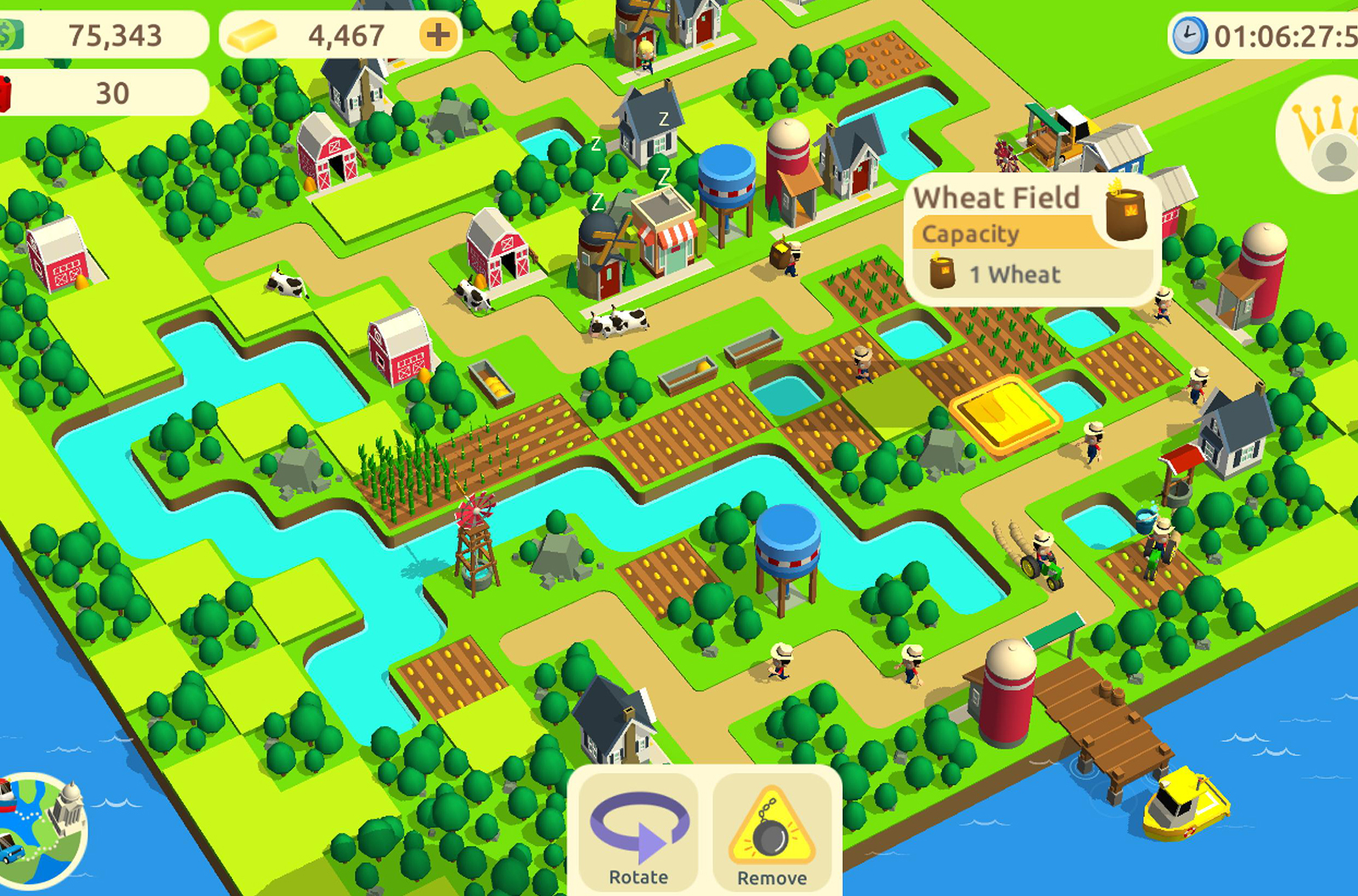
When Legacy finally launched in 2023, the illusion shattered. Players logged in to find a barren world with minimal content, broken mechanics, and an economy that collapsed almost immediately. The “play-to-earn” model failed because there was no meaningful gameplay to sustain it. Instead of building businesses or trading goods, players were left clicking buttons in a glorified spreadsheet simulator.
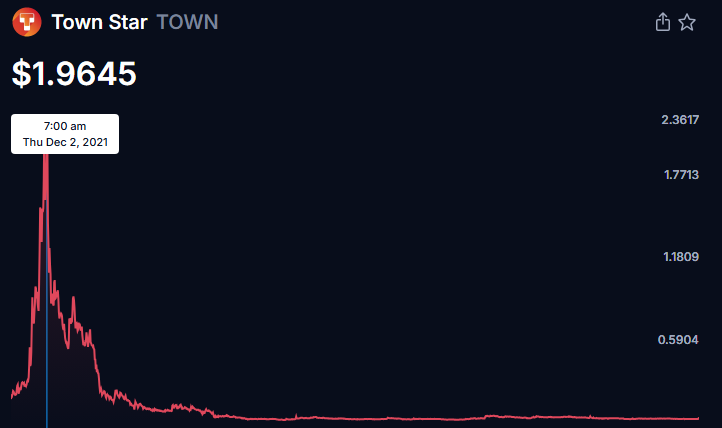
The economic system, designed to reward early adopters, quickly became a Ponzi-like structure. New players were needed to buy NFTs from earlier ones, but as interest waned, the market dried up. Within weeks, the value of in-game assets plummeted. A plot of land that once sold for $10,000 was now worth less than $100. Players who had mortgaged real-world savings to invest in Legacy were left with nothing but digital dust.
Community forums exploded with outrage. Players shared screenshots of their now-worthless NFTs, demanded refunds, and accused Molyneux of fraud. Yet, no legal action succeeded. Because Legacy was built on blockchain technology, transactions were irreversible, and the decentralized nature of the platform made accountability nearly impossible. It was the perfect storm: a high-risk investment wrapped in the language of innovation.
The Irony: Failure Funded the Future
Here’s where the story takes a surreal turn. Despite Legacy’s catastrophic failure, Molyneux admitted in a 2024 interview that the game’s pre-sales—driven entirely by NFT speculation—provided the funding for Masters of Albion. “That’s what we used the majority of the money for,” he said. In essence, the $54 million lost by players became the seed capital for Molyneux’s swan song.
This revelation sparked outrage among former Legacy investors. “We were used as a piggy bank,” one player told Ars Technica. “He sold us a dream, took our money, and now he’s making another game with it.” The ethical implications are staggering. While players faced financial ruin, Molyneux moved on, shielded by the anonymity of crypto transactions and the lack of regulatory oversight in blockchain gaming.
The situation raises uncomfortable parallels to other tech ventures where early investors bear the brunt of failure while founders pivot to new projects. Think of Theranos, where patients paid for flawed blood tests, or WeWork, where landlords and employees suffered while executives cashed out. In gaming, however, the line between creator and con artist is often blurred by passion and hype.

The Broader Crisis in Crypto Gaming
Legacy is not an isolated incident. It’s part of a larger crisis in the blockchain gaming industry, where the promise of “play-to-earn” has consistently failed to deliver. Games like Axie Infinity once boasted millions of players in developing countries, but when the token economy collapsed, so did livelihoods. In the Philippines, where Axie was a major source of income, families lost their savings overnight.
The problem lies in the fundamental design of most crypto games: they prioritize financial speculation over gameplay. Instead of crafting engaging experiences, developers focus on tokenomics—how to distribute and inflate digital currencies. The result is often a short-lived boom followed by a mass exodus when the economy inevitably implodes.
The average lifespan of a crypto game is less than six months.
Only 3% of NFT games have retained more than 1,000 active players after one year.
Total investment in blockchain gaming peaked at $4.5 billion in 2022 but dropped to under $1 billion by 2024.
Experts argue that sustainable gaming economies require balance—rewards must be tied to meaningful effort, not just speculation. “If the only way to earn is to recruit new players, it’s not a game—it’s a pyramid scheme,” says Dr. Elena Torres, a game economist at MIT.

The Human Cost: Stories from the Ruins
Behind the numbers are real people. One player, a teacher from Ohio, spent $15,000 on Legacy NFTs, hoping to supplement his income. “I thought I was investing in the future,” he said. “Now I’m just angry.” Another, a software developer from London, lost over $30,000. “I believed in Peter. I thought he was different.”
These stories highlight a deeper issue: the emotional investment in digital spaces. For many, games are more than entertainment—they’re communities, identities, and even livelihoods. When those spaces collapse, the impact is profound. The psychological toll of financial loss, combined with the betrayal of trust, can be devastating.
Studies show that financial stress from speculative investments can lead to anxiety, depression, and even physical health issues. In extreme cases, the collapse of crypto ventures has been linked to increased suicide rates among investors.
Molyneux has offered no public apology or compensation. His focus remains on Masters of Albion, a return to the god-game genre that made him famous. But for the players of Legacy, the wound is still fresh. “He got his final game,” one investor said. “We got nothing.”
Lessons for the Future of Gaming
The Legacy debacle serves as a stark warning. As blockchain technology continues to evolve, so must the ethics of game development. Transparency, accountability, and player protection must be prioritized over hype and profit. Regulators are beginning to take notice: the SEC has started investigating several crypto games for potential securities violations, and the EU is drafting new rules for digital assets.
For players, the lesson is clear: never invest more than you can afford to lose. The line between gaming and gambling has never been thinner. For developers, the challenge is to innovate without exploiting. As Molyneux prepares to bow out with Masters of Albion, the industry must ask: will this be a redemption arc, or just another chapter in a legacy of broken promises?
Black & White (2001) sold over 4 million copies and was praised for its AI-driven morality system.
Molyneux left Microsoft in 2012 to found 22cans, focusing on experimental game design.
Legacy was one of the first major god games to integrate blockchain technology.
Masters of Albion will reportedly not use NFTs or cryptocurrency, marking a return to traditional development.
In the end, the story of Legacy is not just about one man’s ambition or one game’s failure. It’s about the fragile trust between creators and players, the dangers of unchecked innovation, and the high cost of a dream that never came true. As the gaming world watches Molyneux’s final act unfold, one question lingers: can a legend be redeemed, or is some damage irreversible?
This article was curated from Meet the players who lost big money on Peter Molyneux’s failed Legacy via Ars Technica