Table of Contents
- A Leap in Linguistic Fidelity: Rendering the World’s Scripts
- Reasoning Meets Imagination: The Birth of Intelligent Image Generation
- Pixel-Perfect Nostalgia: Mastering Iconic Art Styles
- From Static Image to Living Story: The Manga Test
- Flexibility and Power: Resolution, Output, and Creative Freedom
- The Bigger Picture: Why This Matters for Global Creativity
- Looking Ahead: The Future of AI-Powered Visual Storytelling

How ChatGPT Images 2.0 Is Revolutionizing Multilingual Visual AI
In the ever-evolving landscape of artificial intelligence, image generation has moved from a niche research curiosity to a mainstream creative tool in just a few short years. OpenAI’s latest leap—ChatGPT Images 2.0—marks a pivotal moment not just in technical capability, but in cultural inclusivity. More than a year after introducing image generation within its chatbot interface, OpenAI has unveiled a significantly upgraded system that doesn’t just produce better pictures—it understands the world more deeply, especially when that world speaks in scripts beyond the Latin alphabet.
This isn’t just another incremental update. OpenAI calls it a “step change,” and for good reason. The new model demonstrates remarkable improvements in instruction fidelity, object placement, and—most notably—its ability to render non-Latin text with unprecedented accuracy. From Japanese kanji to Bengali script, the system now handles complex writing systems with a level of precision that was previously unattainable in mainstream AI image generators. But the upgrades go far beyond text. With enhanced reasoning, web verification, and creative flexibility, Images 2.0 is redefining what’s possible when language, vision, and intelligence converge.
A Leap in Linguistic Fidelity: Rendering the World’s Scripts
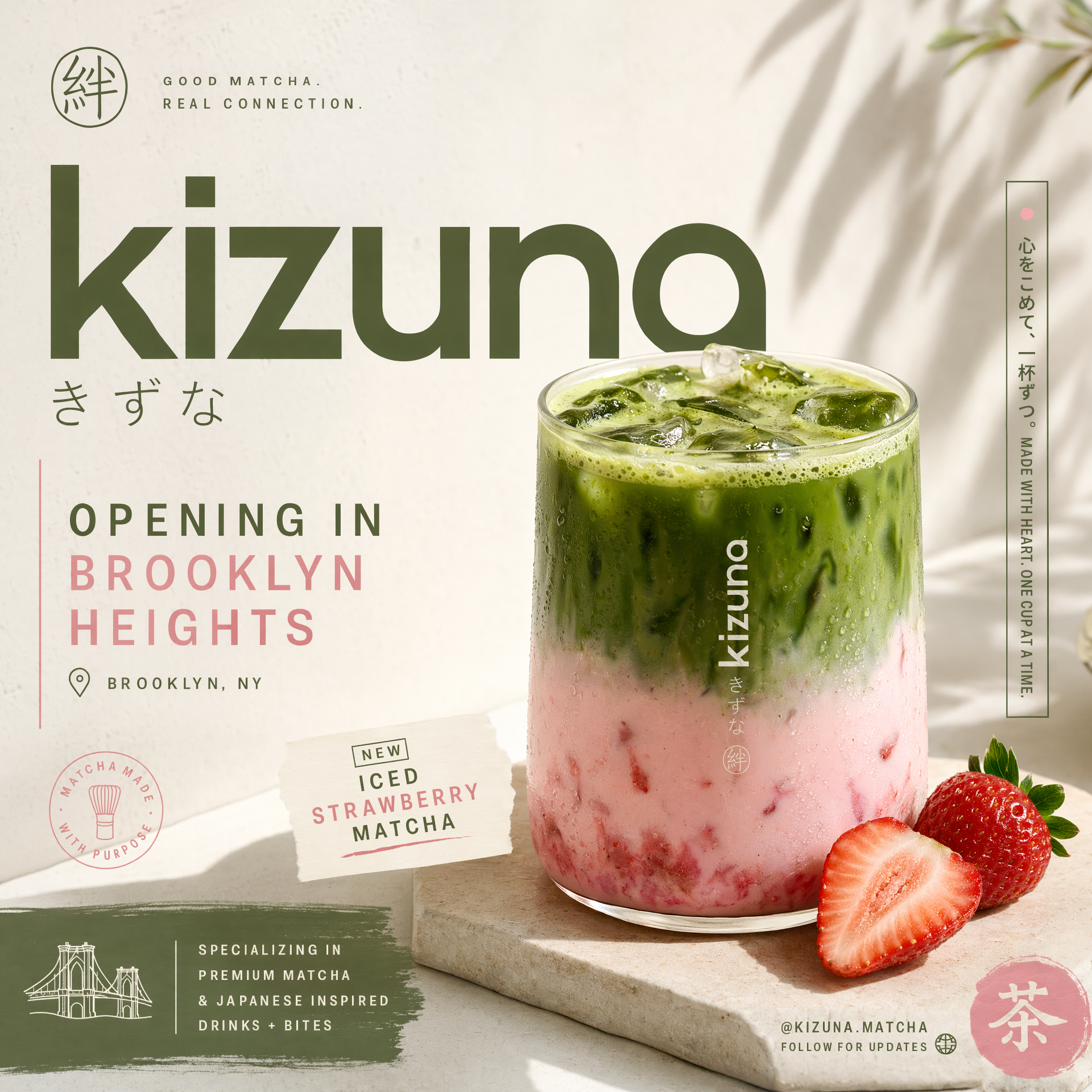
One of the most groundbreaking advancements in ChatGPT Images 2.0 is its dramatically improved handling of non-Latin writing systems. Historically, AI image generators have struggled with text rendering, especially when the text isn’t in English or uses alphabets unfamiliar to Western-trained models. Misspelled words, garbled characters, and misplaced glyphs have been common pitfalls. But OpenAI has made “significant gains” in rendering Japanese, Korean, Chinese, Hindi, and Bengali—languages that together represent billions of speakers and some of the world’s richest visual cultures.
This isn’t just about spelling words correctly. It’s about understanding the aesthetics of written language. In Japanese, for example, the balance between kanji, hiragana, and katakana affects not only readability but also visual harmony. Similarly, the flowing curves of Bengali script or the geometric precision of Chinese characters require a nuanced understanding of form and spacing. Images 2.0 doesn’t just slap text onto an image—it integrates it thoughtfully, respecting typographic traditions and cultural context.
This advancement has profound implications. For designers, educators, and content creators in non-English-speaking regions, the ability to generate accurate, culturally appropriate visuals is no longer a luxury—it’s a necessity. Imagine a teacher in Seoul creating illustrated flashcards in Hangul, or a game developer in Mumbai designing UI elements in Devanagari. With Images 2.0, these tasks become not only feasible but seamless.
Reasoning Meets Imagination: The Birth of Intelligent Image Generation
What truly sets Images 2.0 apart from its predecessors—and from many competitors—is its built-in reasoning capabilities. Unlike earlier models that operated purely on pattern recognition, this system can now “think” about its outputs. It can search the web to verify facts, cross-reference visual styles, and even assess whether its generated image aligns with the user’s intent.
This reasoning layer is a game-changer for accuracy and consistency. For instance, if you ask the model to generate a historical scene—say, a 1920s Shanghai street market—it can now pull contextual data to ensure architectural details, clothing styles, and signage are period-appropriate. It’s not just guessing; it’s reasoning.
This intelligence also enhances visual cohesion. When placing objects in a scene—like a cat sitting on a windowsill with a cityscape behind it—the model considers spatial relationships, lighting, and perspective more holistically. The result is images that don’t just look good—they make sense.
Pixel-Perfect Nostalgia: Mastering Iconic Art Styles
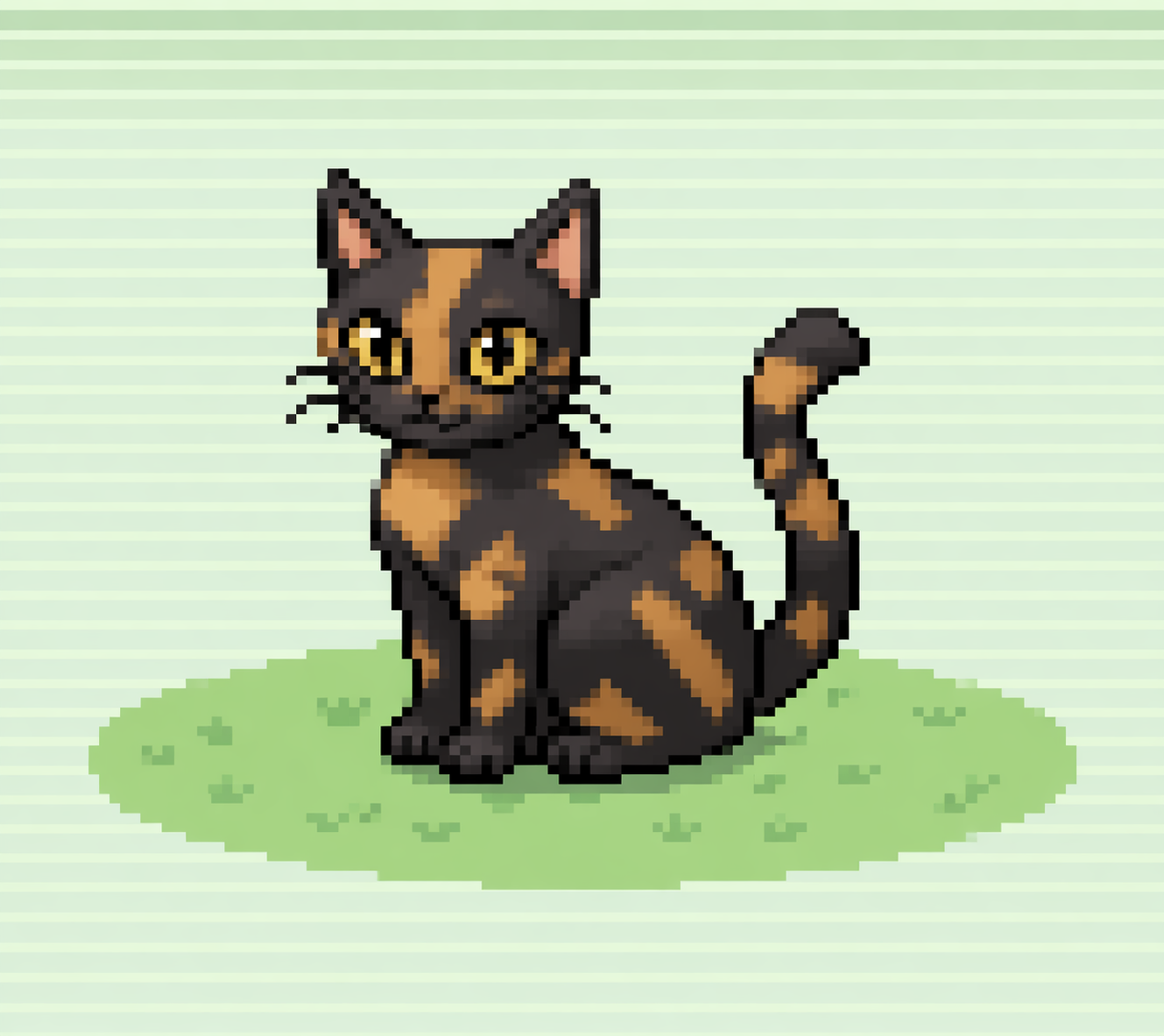
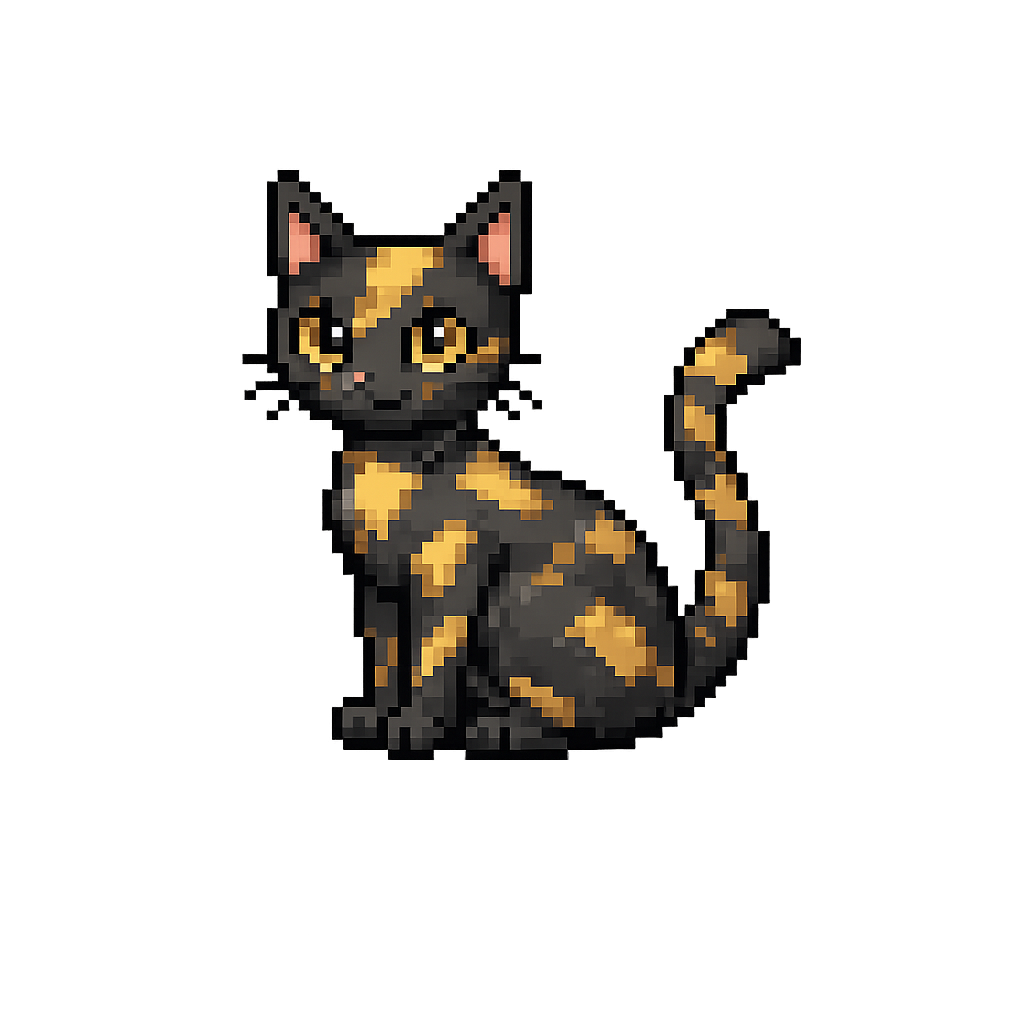
One of the most compelling demonstrations of Images 2.0’s capabilities came during a hands-on preview, where the model was tasked with generating a tortoiseshell cat in the pixel art style of Pokémon’s third-generation games (Ruby, Sapphire, and Emerald). Pixel art is notoriously difficult for AI models. It requires precise control over individual pixels, adherence to limited color palettes, and an understanding of retro gaming aesthetics—none of which come naturally to neural networks trained on high-resolution, photorealistic data.
Yet, the result was striking. The cat wasn’t just “inspired by” the Pokémon style—it embodied it. The blocky proportions, the dithering patterns, the signature shading techniques of the Game Boy Advance era were all present. This level of stylistic fidelity suggests that Images 2.0 has moved beyond surface-level模仿 (imitation) to genuine stylistic comprehension.
This capability opens doors for game developers, animators, and indie creators who rely on specific visual languages. Whether it’s emulating the hand-drawn look of Studio Ghibli films or the minimalist charm of 8-bit arcade games, Images 2.0 can now faithfully recreate these styles—not as approximations, but as authentic interpretations.
From Static Image to Living Story: The Manga Test
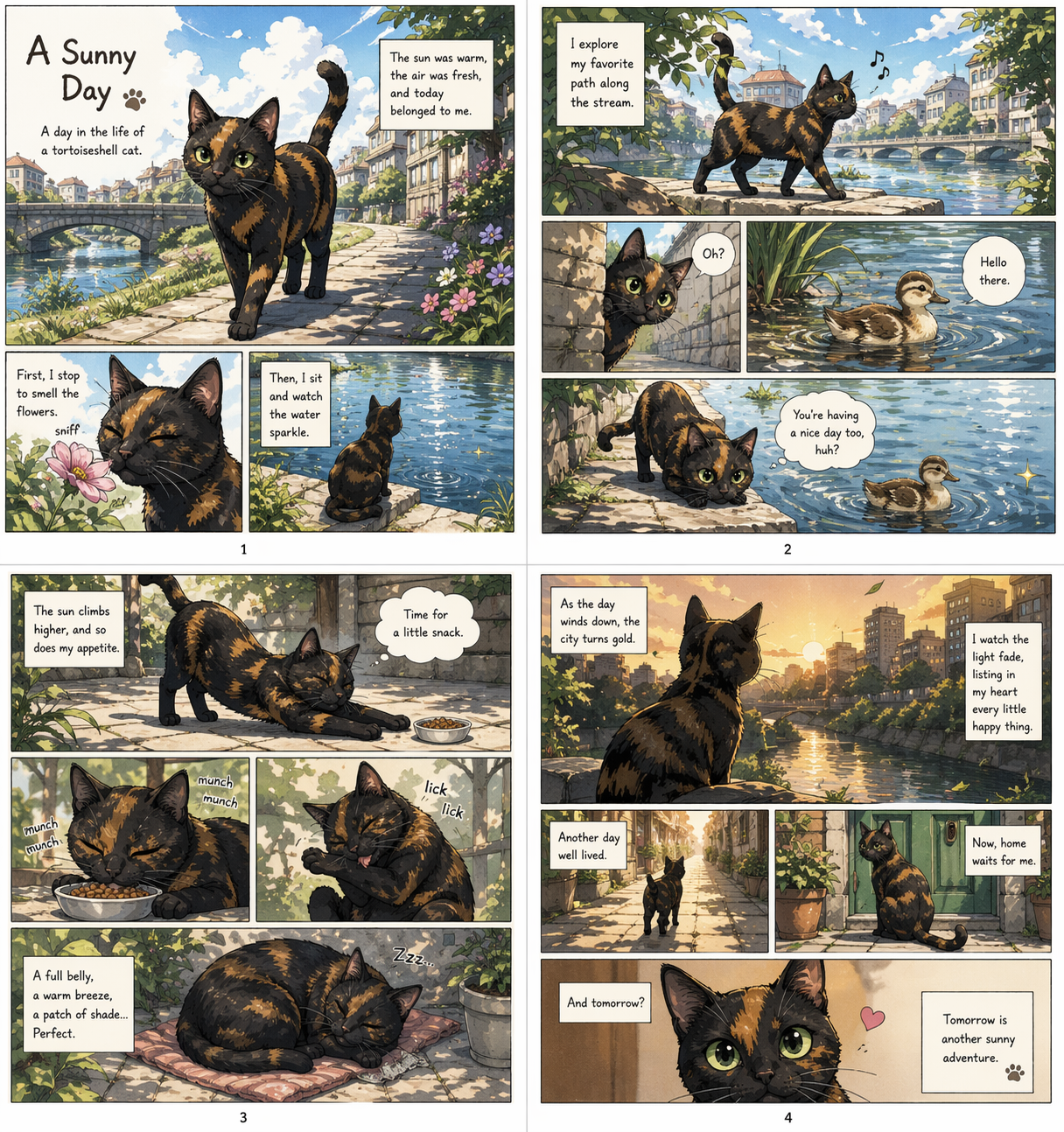
To push the boundaries further, a final test was conducted: generating a four-page manga about a cat enjoying a sunny day by a city stream. This wasn’t just about creating a single image—it was about narrative continuity, character consistency, and visual storytelling across multiple panels.
The result was revealing. While the cat’s appearance varied slightly between pages—a common challenge in AI-generated sequences—the overall story flowed cohesively. Backgrounds remained consistent, lighting evolved naturally with the time of day, and the emotional tone stayed light and whimsical. The model even incorporated subtle manga conventions, like speed lines and onomatopoeic text bubbles (“Pitter-patter!” “Meow!”).
This experiment underscores a broader trend: AI is no longer just generating images—it’s beginning to tell stories. With reasoning and consistency improvements, the gap between AI-assisted creation and human-led storytelling is narrowing.
Flexibility and Power: Resolution, Output, and Creative Freedom
Beyond linguistic and stylistic breakthroughs, Images 2.0 introduces practical enhancements that empower creators. The model now supports ultra-wide (3:1) and ultra-tall (1:3) aspect ratios, making it ideal for everything from cinematic widescreen visuals to mobile app banners and social media stories. This flexibility is crucial in a multi-platform digital world where content must adapt to diverse formats.
Resolution has also been upgraded. With support for up to 2K output, the model delivers crisp, detailed images suitable for print, high-definition displays, and professional design workflows. Earlier versions often produced lower-resolution images that required upscaling—a process that could introduce artifacts or blur fine details. Now, creators can generate publication-ready visuals directly from the chatbot.
Generates images at up to 2K resolution for professional-quality output.
Can produce up to eight image variations in a single request.
Includes reasoning capabilities for fact-checking and style verification.
Excels at rendering non-Latin scripts like Japanese, Chinese, and Hindi.
Additionally, the ability to generate multiple outputs at once accelerates the creative process. Instead of refining a single image through dozens of iterations, users can explore a range of interpretations in seconds—ideal for brainstorming, client presentations, or rapid prototyping.
The Bigger Picture: Why This Matters for Global Creativity
The implications of ChatGPT Images 2.0 extend far beyond technical benchmarks. By improving support for non-Latin scripts and culturally specific visual languages, OpenAI is helping to democratize creative tools on a global scale. For too long, AI development has been skewed toward Western languages and aesthetics, leaving vast portions of the world underrepresented in digital innovation.
This update signals a shift toward inclusivity. When a Bengali poet can generate illustrated verses in their native script, or a Korean animator can prototype scenes in authentic Hangeul, the technology becomes not just powerful—but equitable.
Moreover, the integration of reasoning and verification addresses long-standing concerns about AI hallucinations—instances where models generate plausible but incorrect information. In fields like education, journalism, and historical documentation, accuracy is paramount. Images 2.0’s ability to cross-check facts and maintain consistency makes it a more trustworthy tool for high-stakes applications.
Looking Ahead: The Future of AI-Powered Visual Storytelling
ChatGPT Images 2.0 isn’t just an upgrade—it’s a glimpse into the future of human-AI collaboration. As models become more intelligent, adaptable, and culturally aware, they will increasingly serve as creative partners rather than mere tools. Imagine a world where a novelist can generate chapter illustrations in the style of their favorite artist, or a teacher can create personalized learning comics in any language.
The journey is far from over. Challenges remain—consistency across long-form narratives, deeper cultural nuance, and ethical considerations around representation and bias. But with each advancement, we move closer to a future where creativity knows no linguistic or geographic bounds.
In the end, ChatGPT Images 2.0 isn’t just better at rendering text or placing objects. It’s better at understanding the world—and helping us visualize it, one pixel, one script, one story at a time.
This article was curated from ChatGPT Images 2.0 is better at rendering non-Latin text via Engadget