Table of Contents
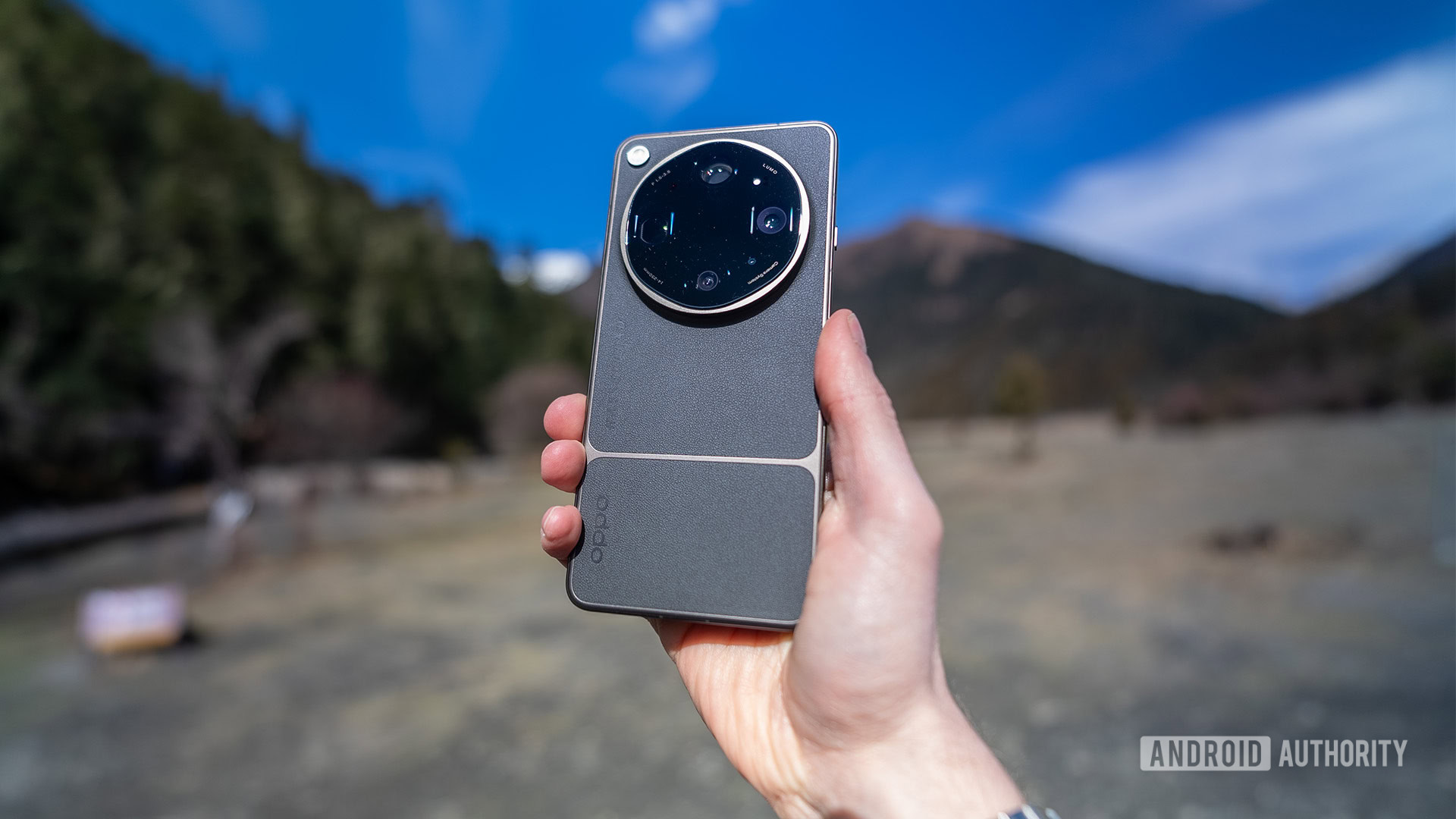
The Dawn of a New Imaging Era: OPPO Find X9 Ultra Completes the Holy Trinity of Camera Phones
In the relentless pursuit of mobile photography supremacy, a new era has quietly dawned. For years, smartphone manufacturers have pushed the boundaries of what’s possible with tiny sensors and computational wizardry. But now, with the global launch of the OPPO Find X9 Ultra, a pivotal moment has arrived: the “Holy Trinity” of camera-focused Android flagships is finally complete. This isn’t just another incremental upgrade—it’s a seismic shift in how we capture, share, and experience the world through our phones.
Joining the ranks of the Xiaomi 17 Ultra and the vivo X300 Ultra, the Find X9 Ultra represents the culmination of a new breed of smartphones designed not just for everyday use, but for photographers. These aren’t devices that merely take good pictures—they are engineered to rival professional cameras in specific scenarios. With a staggering array of sensors, cutting-edge processing, and a design that evokes the legacy of iconic cameras, OPPO has delivered a device that doesn’t just compete—it redefines expectations.
Priced at €1,699 (approximately $2,000), the Find X9 Ultra isn’t for the faint of heart—or wallet. But for those who demand the absolute best in mobile imaging, this is the moment they’ve been waiting for. It’s not just a phone; it’s a statement. A declaration that the smartphone camera is no longer a compromise, but a legitimate tool for creative expression.
This global launch marks a turning point. No longer are flagship camera phones confined to regional markets. The Find X9 Ultra’s availability worldwide means that enthusiasts and professionals across Europe, North America, and beyond can now access a device that was once the stuff of tech rumor forums. And with its Hasselblad-inspired design and dual-tone vegan leather finish, it doesn’t just perform like a camera—it looks like one.
A Sensor Revolution: The Five-Lens Imaging Arsenal
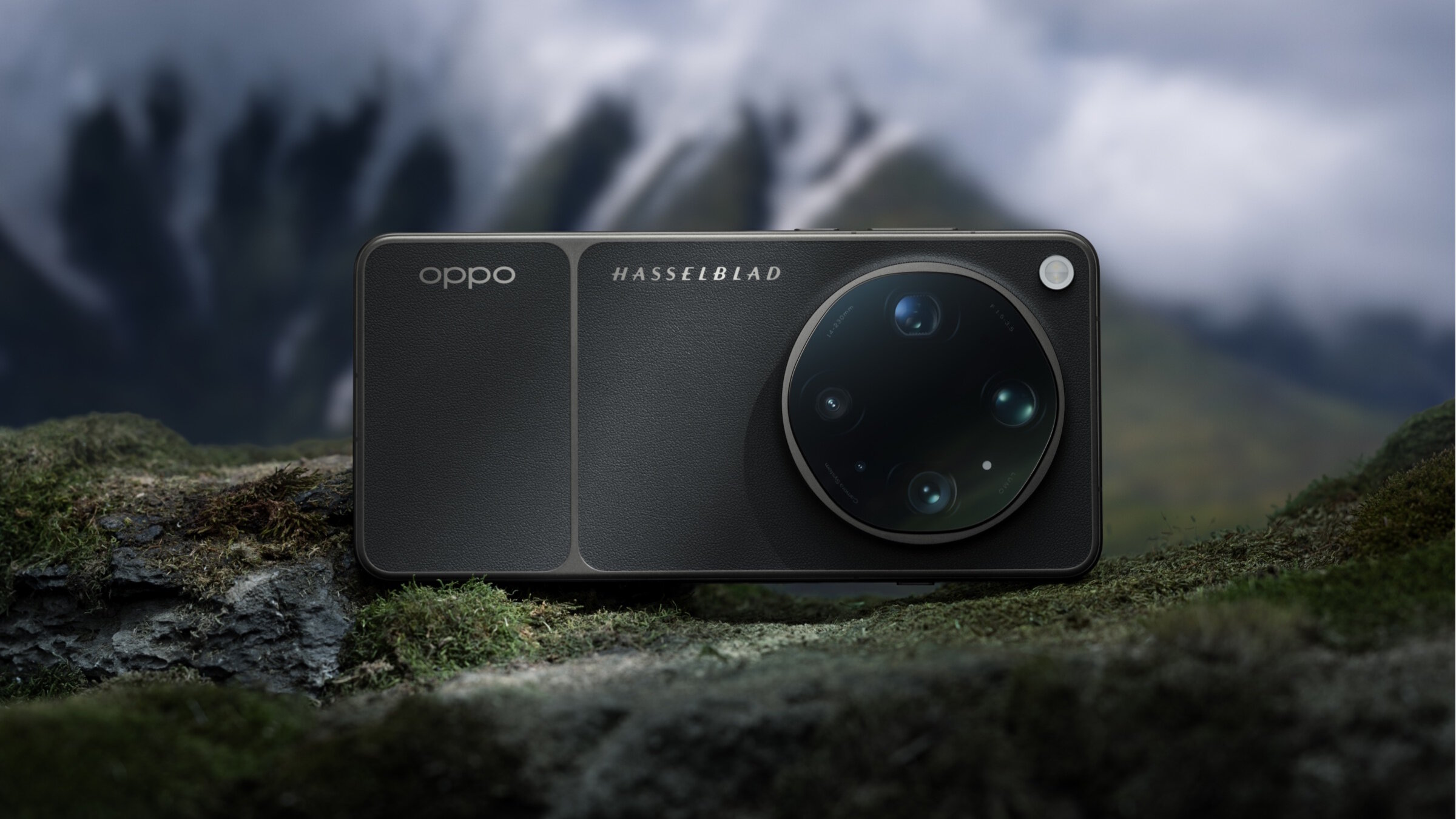
At the heart of the OPPO Find X9 Ultra lies a camera system so advanced it borders on overkill—yet in the world of mobile photography, overkill is often the point. The phone features a quad-camera setup on the rear, complemented by a 50MP front-facing camera, making it one of the most sensor-dense smartphones ever made.
The primary shooter is a 200MP sensor, capable of capturing images with breathtaking detail. But unlike earlier high-megapixel sensors that suffered from poor low-light performance, OPPO has paired this with advanced pixel-binning technology, combining 16 pixels into one for brighter, cleaner shots in dim conditions. The result? A 12.5MP image that’s richer in dynamic range and color accuracy than many full-frame DSLRs from just a few years ago.
Then there’s the 50MP ultrawide lens, which offers a 120-degree field of view—perfect for landscapes, architecture, and group shots. But the real magic lies in the telephoto department. OPPO has included two telephoto sensors: a 200MP 3x optical zoom and a 50MP 10x periscope telephoto. This dual-telephoto setup is unprecedented in the smartphone world and allows for seamless zoom from 1x to 10x without digital cropping or loss of detail.
For professionals and enthusiasts, the inclusion of a multispectral sensor is a game-changer. Unlike standard RGB sensors, this sensor captures light beyond the visible spectrum, enabling more accurate color reproduction and white balance. It’s particularly useful in challenging lighting conditions—like mixed indoor lighting or golden-hour sunsets—where traditional sensors often struggle.
And let’s not forget the Earth Explorer Kit, an optional accessory that adds a 300mm teleconverter. While not built into the phone, this add-on transforms the Find X9 Ultra into a near-super-telephoto rig, ideal for wildlife photography or capturing distant architectural details. It’s a bold move, acknowledging that some users want even more reach than 10x optical zoom can provide.
Design That Speaks to Photographers
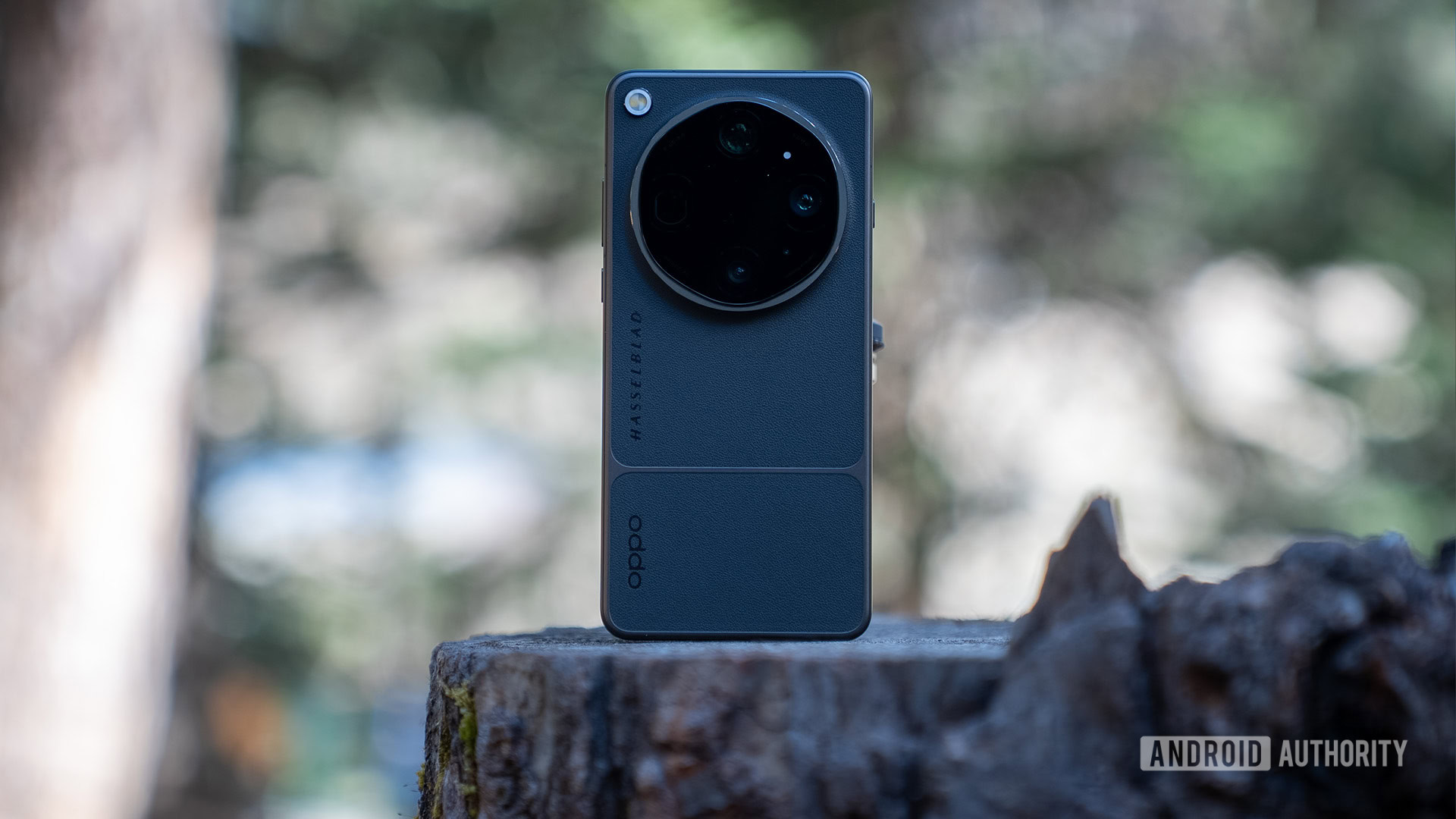
The OPPO Find X9 Ultra isn’t just a technical marvel—it’s a design statement. Inspired by the Hasselblad X2D 100C, one of the most revered medium format cameras in the world, the phone’s aesthetic is a deliberate nod to photographic heritage. The Tundra Umber variant features a dual-tone vegan leather back with a matte metal frame, giving it the tactile feel of a premium camera.
But design isn’t just about looks—it’s about function. The new “Quick Button” on the side of the device is OPPO’s answer to the dedicated camera shutter buttons found on phones like the iPhone and Sony Xperia. Press it once to launch the camera app, press and hold to start recording video, or double-tap to switch between lenses. It’s a small detail, but one that makes a huge difference in real-world use.
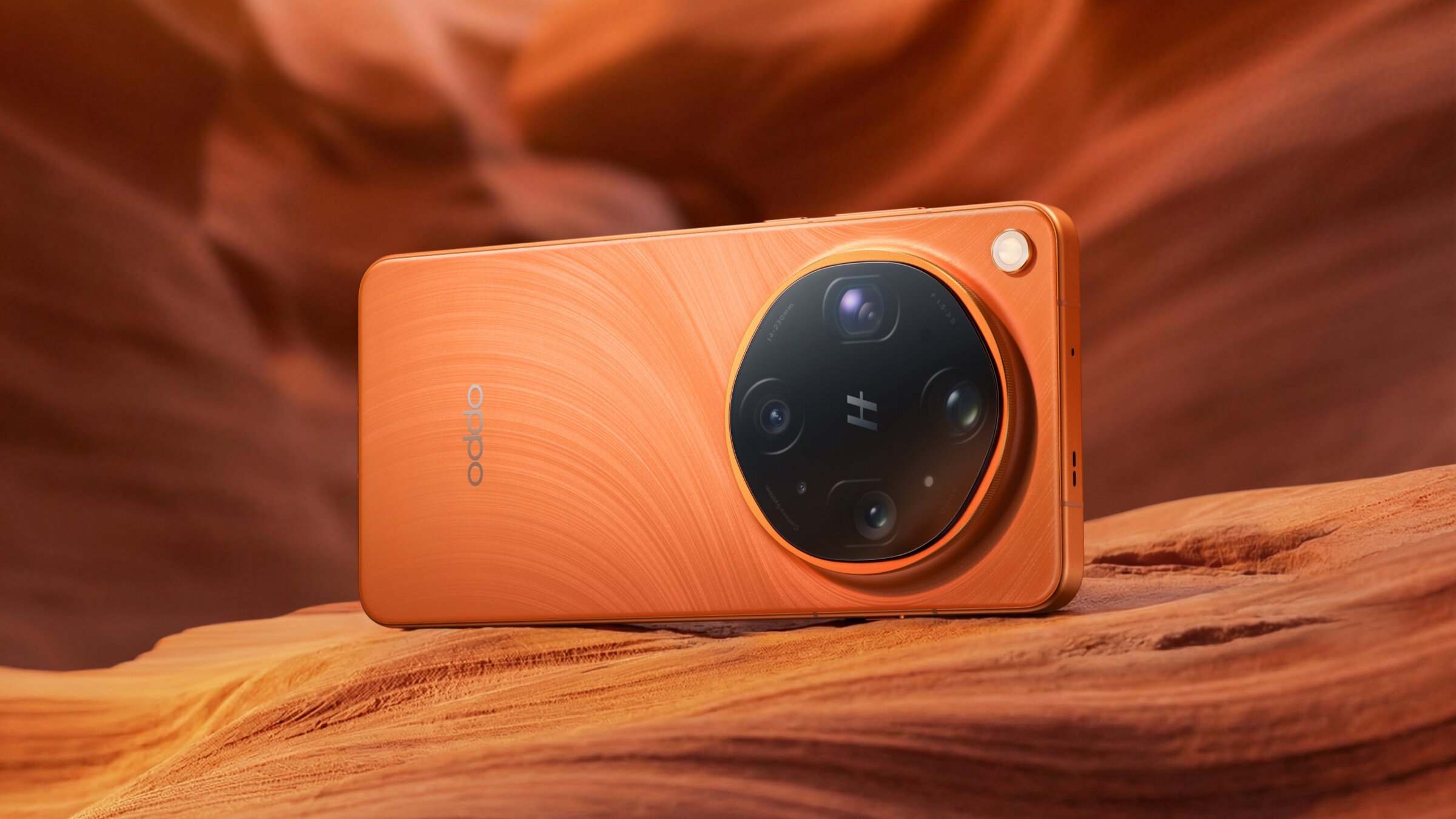
The phone also comes in a vibrant Canyon Orange colorway, designed to stand out in a sea of black and silver slabs. It’s a bold choice, reflecting OPPO’s confidence in the device’s capabilities. After all, if you’re spending $2,000 on a phone, you might as well make it memorable.
50MP ultrawide with 120° field of view
200MP 3x telephoto with optical image stabilization
50MP 10x periscope telephoto with 10x optical zoom
50MP front camera with autofocus and 4K video
Multispectral sensor for enhanced color accuracy
Optional 300mm teleconverter via Earth Explorer Kit
The build quality is equally impressive. The phone is IP68-rated for dust and water resistance, and the vegan leather is both durable and eco-friendly. It’s a phone that feels premium in hand, with a weight and heft that signal seriousness—this isn’t a device designed for casual snapping.
Performance That Matches the Vision
A camera phone is only as good as the brain behind it. The Find X9 Ultra is powered by the Snapdragon 8 Elite Gen 5 SoC, the latest and most powerful mobile processor from Qualcomm. Built on a 3nm process, it delivers up to 30% better CPU performance and 40% better GPU efficiency compared to its predecessor. This means faster image processing, smoother 8K video recording, and seamless multitasking—even when editing 200MP photos on the go.
But raw power isn’t everything. OPPO has also equipped the phone with a 7,050mAh silicon-carbon battery, one of the largest ever seen in a flagship. This new battery technology allows for higher energy density without increasing size, meaning longer life without bulk. In real-world testing, the Find X9 Ultra can easily last a full day of heavy camera use—something that’s often a challenge for photography-focused phones.
Charging is equally impressive. The phone supports 55W USB Power Delivery (PD) charging, which means it’s compatible with a wide range of third-party chargers, including those from Apple and Samsung. It also supports AirDrop-compatible Quick Share, allowing for seamless file transfers between Android and iOS devices—a rare but welcome feature in today’s fragmented ecosystem.

The phone runs ColorOS 15, OPPO’s latest Android skin, which has been optimized for photography. Features like AI Scene Detection, Pro Mode with manual controls, and Hasselblad Natural Color Calibration give users the tools they need to shoot like a pro. The interface is clean, intuitive, and—unlike some competitors—doesn’t overwhelm with unnecessary bloat.
The Holy Trinity: How It Stacks Up
With the Find X9 Ultra now globally available, the landscape of camera phones has shifted. The “Holy Trinity” is complete, and each member brings something unique to the table.
The Xiaomi 17 Ultra remains a powerhouse, with its Leica-branded lenses and excellent low-light performance. The vivo X300 Ultra impresses with its Zeiss optics and cinematic video capabilities. But the OPPO Find X9 Ultra stands out with its dual-telephoto system, multispectral sensor, and Hasselblad-inspired design.
In side-by-side comparisons, the Find X9 Ultra consistently delivers sharper zoomed images, more accurate colors, and better dynamic range. The 10x telephoto, in particular, is a revelation—offering clarity that rivals dedicated compact cameras.

For travelers, journalists, and content creators, this trio represents the pinnacle of mobile imaging. No longer do you need to carry a separate camera for high-quality shots—these phones can do it all, and then some.
The Future of Mobile Photography
The launch of the OPPO Find X9 Ultra isn’t just about one phone—it’s about the future of photography. As sensors shrink and AI improves, the line between smartphone and camera continues to blur. We’re entering an age where the best camera is the one you have with you—and for many, that’s now a $2,000 Android flagship.
But this isn’t the end. It’s the beginning. With advancements in computational photography, sensor fusion, and AI-driven editing, the next wave of camera phones will be even more capable. Imagine real-time HDR processing, 3D depth mapping, or even light field photography—all from a device that fits in your pocket.
For now, the Find X9 Ultra stands as a testament to how far we’ve come. It’s not just a phone. It’s a vision. A promise that the future of photography is not just digital—but mobile, accessible, and breathtakingly powerful.
This article was curated from The ‘Holy Trinity’ of Ultra camera phones is finally complete with this global launch via Android Authority