Hubble’s 36th Anniversary Gift: A Stellar Nursery Reborn in Light
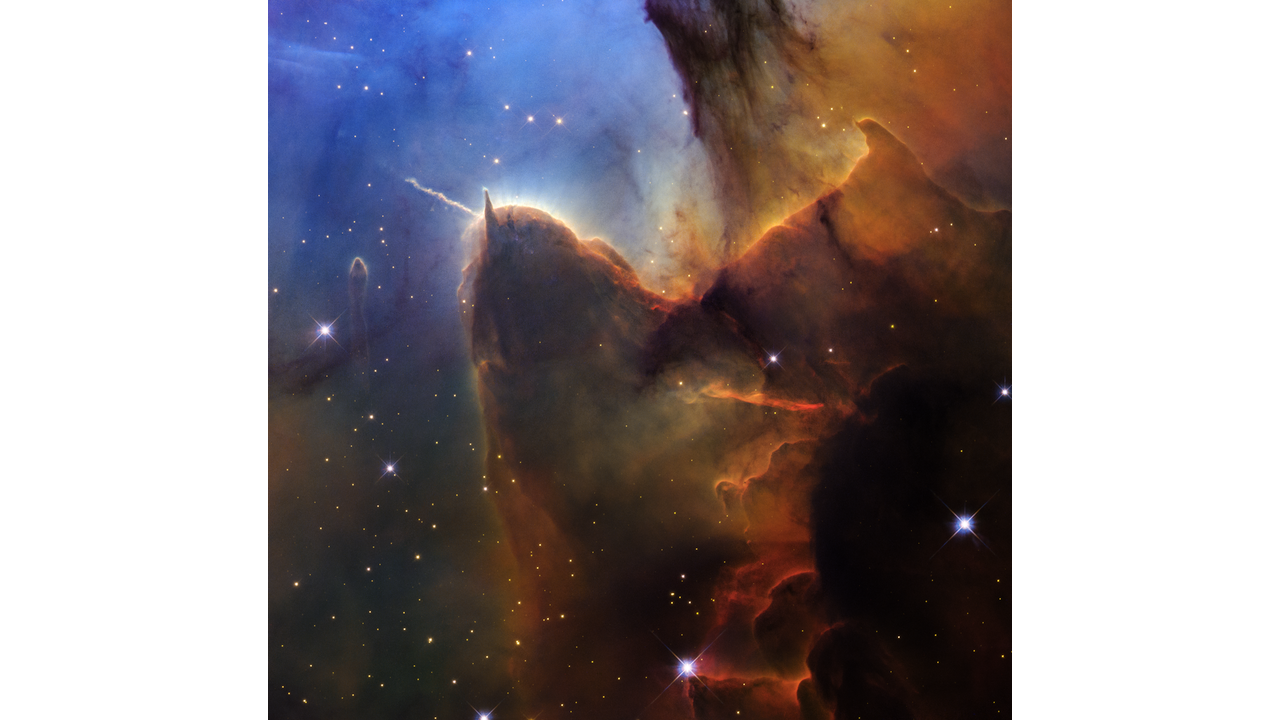
On April 24, 1990, NASA launched a telescope that would redefine our understanding of the cosmos. Now, 36 years later, the Hubble Space Telescope continues to deliver breathtaking images and groundbreaking science—none more poetic than its latest portrait of the Trifid Nebula, a vibrant stellar nursery located 5,000 light-years from Earth. This dazzling new image, released to celebrate Hubble’s remarkable longevity, doesn’t just showcase celestial beauty—it reveals the dynamic, ever-changing nature of star formation over human timescales. By comparing this new view with one taken in 1997, scientists have witnessed subtle but profound shifts in the nebula’s structure, offering a rare glimpse into the life cycle of stars as they ignite, evolve, and reshape their cosmic neighborhoods.
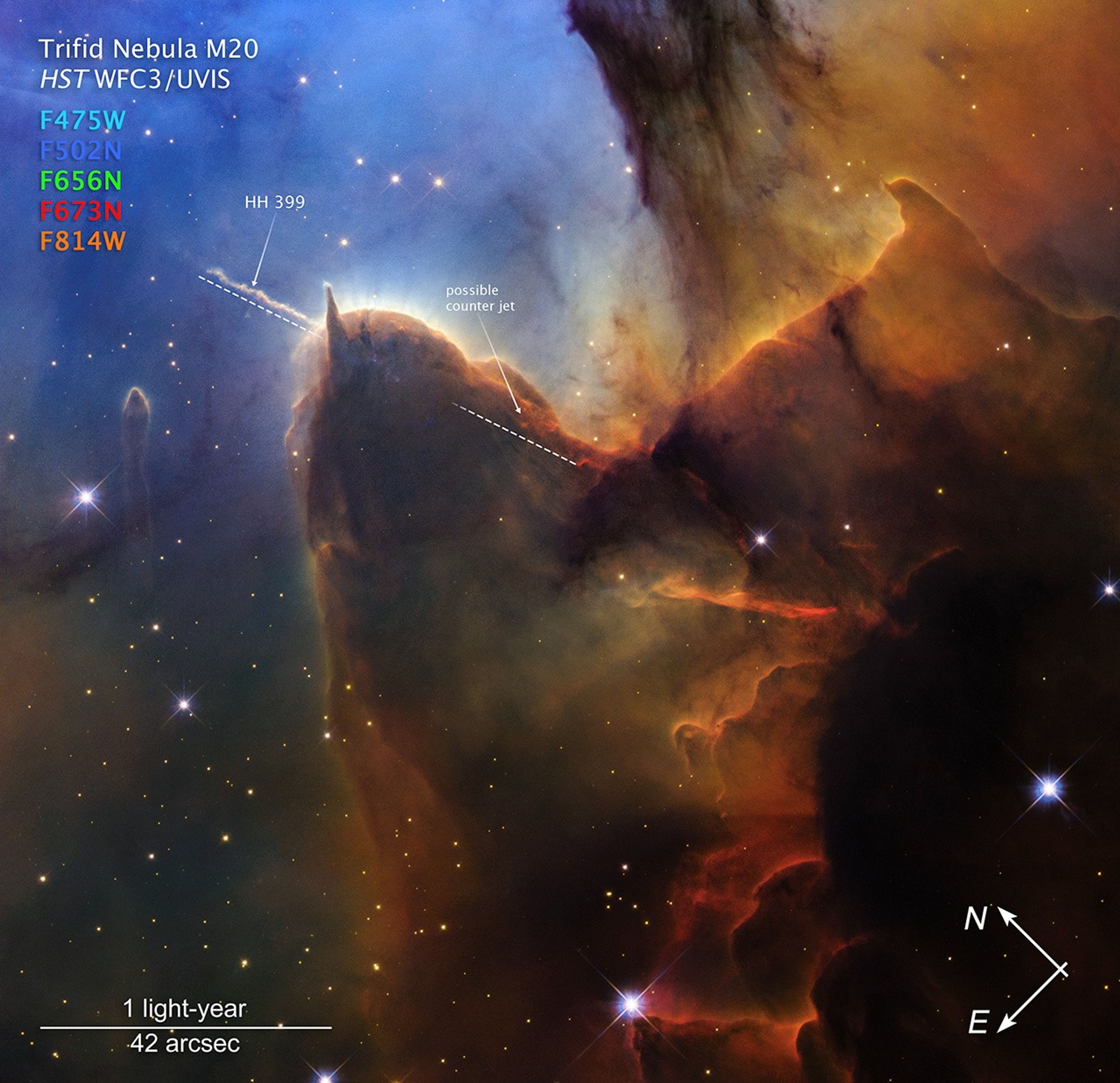
The Trifid Nebula, officially cataloged as M20, is a cosmic masterpiece of light and shadow. Its name, meaning “divided into three lobes,” comes from the dark dust lanes that slice through its glowing gas clouds, creating a tripartite appearance when viewed through amateur telescopes. But Hubble’s advanced optics reveal far more: a swirling tapestry of ionized hydrogen, newborn stars, and sculpted gas formations that resemble underwater currents. The nebula’s vivid colors—deep reds from glowing hydrogen, blues from scattered starlight, and dark lanes of cosmic dust—are not artistic enhancements but real emissions captured in visible light, processed to highlight different chemical compositions.
What makes this latest image especially significant is not just its aesthetic brilliance, but its scientific value. Hubble’s upgraded instruments, particularly the Wide Field Camera 3 (WFC3) installed during a 2009 servicing mission, allow for sharper resolution and greater sensitivity than ever before. This technological leap enables astronomers to detect minute changes in the nebula’s structure over nearly three decades—a blink of an eye in cosmic terms, but a monumental span in human observation. The comparison between the 1997 and 2025 images reveals how stellar winds and radiation from massive stars are actively compressing surrounding gas, triggering new rounds of star birth in a process known as triggered star formation.
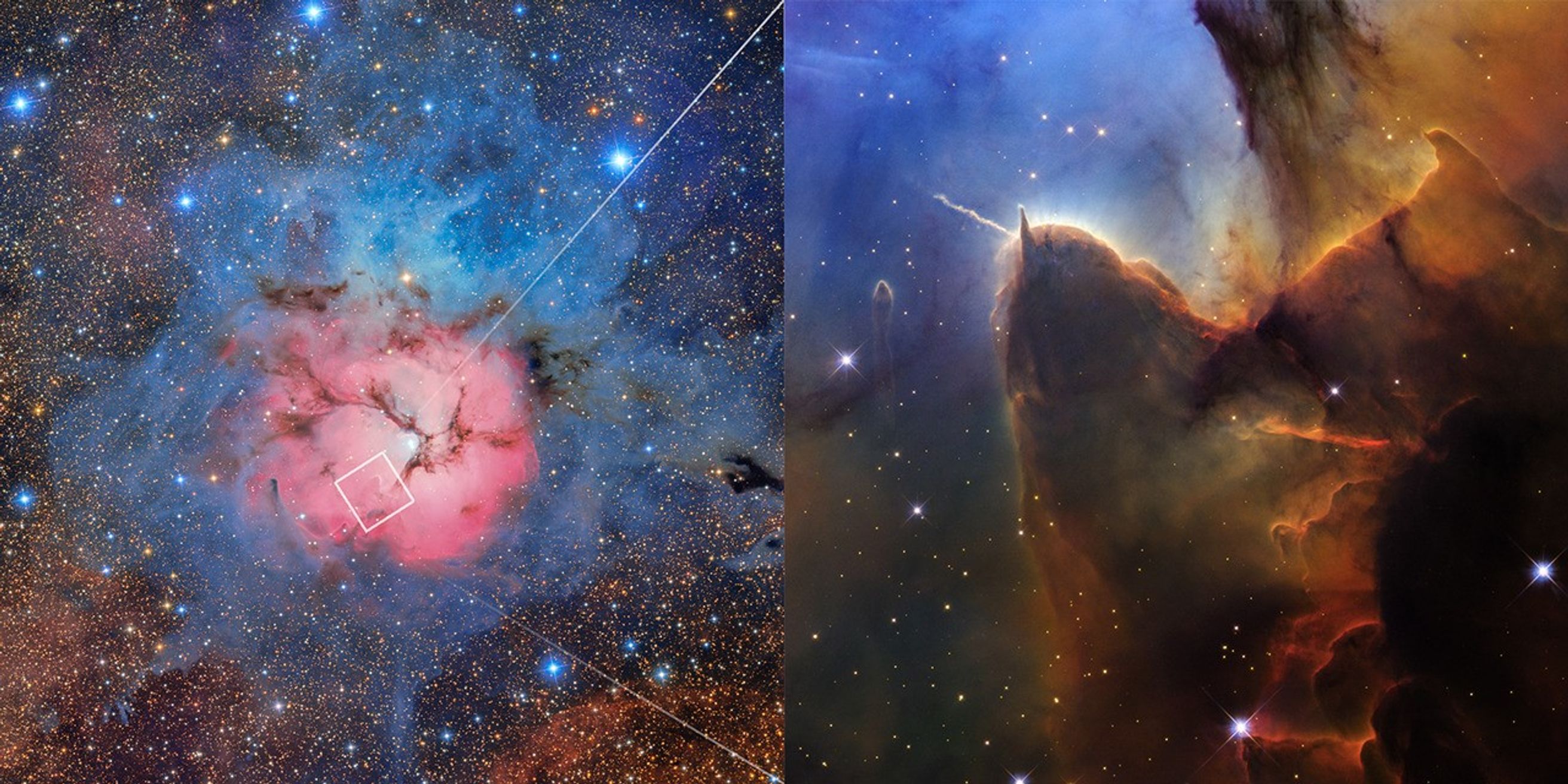
This ongoing transformation is driven by a handful of massive, hot stars located just outside the current field of view. These stellar behemoths, each dozens of times more massive than our Sun, emit intense ultraviolet radiation and powerful stellar winds. Over hundreds of thousands of years, these forces have carved out a vast bubble in the interstellar medium, pushing gas and dust into dense ridges where gravity can take over, collapsing material into protostars. The Hubble image captures a small but telling slice of this bubble—evidence of a cosmic feedback loop where star formation begets more star formation.
A Telescope That Defied Time
Hubble’s journey has been nothing short of extraordinary. Originally conceived in the 1940s and launched in 1990, the telescope was designed for a 15-year mission. Yet, thanks to five servicing missions by NASA astronauts—including the installation of new cameras, gyroscopes, and solar panels—Hubble has not only survived but thrived. Its longevity is a testament to human ingenuity and the enduring value of space-based observatories.
Unlike ground-based telescopes, Hubble orbits Earth at an altitude of about 547 kilometers, above the distorting effects of the atmosphere. This vantage point allows it to capture images with unprecedented clarity, free from atmospheric turbulence, light pollution, and weather interference. It can observe in ultraviolet, visible, and near-infrared light—wavelengths largely blocked by Earth’s atmosphere. This capability has made Hubble a cornerstone of modern astronomy, contributing to over 1.5 million observations and more than 20,000 peer-reviewed scientific papers.
The telescope’s impact extends far beyond stunning images. It has helped determine the rate of expansion of the universe, provided evidence for dark energy, and captured the deepest views of the cosmos in the Hubble Ultra-Deep Field. But perhaps its most profound legacy is how it has changed our perception of the universe—from a static, distant realm to a dynamic, evolving entity where change is constant, even on human timescales.
The Trifid Nebula: A Cosmic Cradle
The Trifid Nebula is a textbook example of a stellar nursery, a region where the conditions are just right for stars to form. At its heart lies a cluster of hot, young stars—some still embedded in their birth clouds—whose radiation energizes the surrounding gas, causing it to glow. The red hues in Hubble’s image come from hydrogen atoms re-emitting light after being ionized by ultraviolet radiation, a process known as H-alpha emission.
But the nebula’s beauty is more than skin deep. The dark, finger-like structures that divide the nebula into three lobes are Bok globules—dense clumps of dust and gas that are in the earliest stages of star formation. These shadowy regions block visible light, creating the illusion of voids, but infrared observations reveal that they are teeming with nascent stars. Hubble’s ability to peer through some of this dust in near-infrared light has allowed scientists to study these hidden cradles of star birth in greater detail.
It emits light primarily in the red part of the spectrum due to excited hydrogen gas.
The nebula contains over 100 young stellar objects (YSOs), including protostars and T Tauri stars.
Its central star cluster is dominated by a massive O-type star, one of the hottest and most luminous types known.
The nebula’s complex structure is shaped by both stellar winds and radiation pressure from nearby stars.
One of the most intriguing aspects of the Trifid is its three-lobed structure, which has puzzled astronomers for decades. Recent models suggest that the lobes are not static features but evolving structures shaped by the interplay of radiation, magnetic fields, and turbulence. The new Hubble image supports this dynamic view, showing subtle changes in the nebula’s ionization fronts and dust distribution over the past 29 years.
Witnessing Cosmic Change in Real Time
The ability to observe changes in astronomical objects over human timescales is exceedingly rare. Most cosmic processes unfold over millions or billions of years, far beyond the lifespan of any single observer. But in the Trifid Nebula, Hubble has captured something extraordinary: measurable evolution in just a few decades.
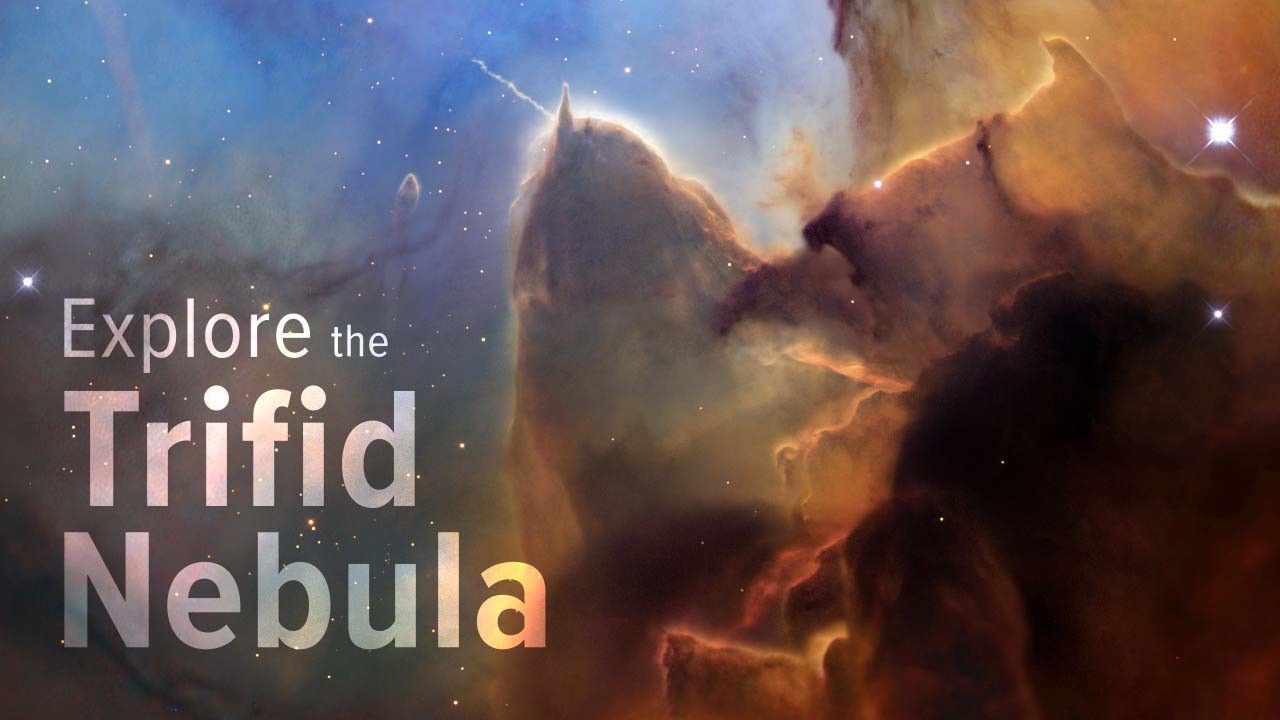
By comparing the 1997 and 2025 images, researchers have detected shifts in the positions of ionization fronts—the boundaries where ultraviolet light from young stars meets and energizes surrounding gas. These fronts have moved outward by several arcseconds, indicating that the nebula is actively expanding. Additionally, new knots of bright emission have appeared, suggesting the birth of additional protostars. These changes, while small in angular terms, represent significant physical movement when scaled to light-years.
This real-time observation is akin to watching a time-lapse of a forest growing from a sapling to a mature woodland. It provides direct evidence that star-forming regions are not static but are shaped by continuous feedback from the stars they produce. The massive stars at the edge of the nebula act like cosmic sculptors, their winds and radiation carving and compressing the interstellar medium, setting the stage for the next generation of stars.
Hubble’s Enduring Legacy and Future
As Hubble enters its fourth decade of operation, questions about its future are inevitable. With no servicing missions planned and components gradually aging, the telescope’s days are numbered. Yet its legacy is secure. It has not only expanded our scientific knowledge but also inspired generations of scientists, engineers, and dreamers.
Hubble’s cultural impact is immeasurable. Its images have graced textbooks, museum exhibits, and social media feeds, making the wonders of the universe accessible to all. The Trifid Nebula image, with its ethereal beauty, is a perfect example of how science and art converge in the cosmos.

While Hubble’s mission may eventually end, its data will live on. Archives of its observations are used by astronomers worldwide, and its discoveries continue to inform new missions, including the James Webb Space Telescope, which complements Hubble by observing in infrared light. Together, these telescopes provide a more complete picture of the universe, from the birth of stars to the formation of galaxies.
Looking Ahead: What Hubble’s Successor Will See
As we celebrate Hubble’s 36th anniversary, we also look to the future. The Nancy Grace Roman Space Telescope, set to launch in the mid-2020s, will build on Hubble’s legacy with a wider field of view and advanced infrared capabilities. It will survey vast regions of the sky, potentially capturing entire star-forming complexes like the Trifid in a single frame.
But even as new telescopes rise, Hubble’s unique perspective—its decades-long baseline of observations—will remain irreplaceable. The changes it has documented in the Trifid Nebula are a reminder that the universe is not a museum exhibit but a living, breathing entity, constantly in motion.
In the end, Hubble’s greatest gift may not be the images it has captured, but the perspective it has given us: that we are not just observers of the cosmos, but witnesses to its ongoing story. And in the shimmering gases of the Trifid Nebula, that story continues to unfold—one star at a time.
This article was curated from NASA’s Hubble Dazzles With Young Stars in Trifid Nebula via NASA Breaking News