Table of Contents
- From Customization to Control: The Evolution of Nova Launcher
- The Rise of “Nova AI”: A Proactive Assistant with a Price Tag
- Data Hunger: What Nova AI Wants—and Why It Matters
- The Subscription Shift: From Ownership to Access
- Privacy in the Age of Proactive AI
- The Bigger Picture: The Future of Personalization
- The “Nova Mobile” Wildcard
- What This Means for Users

The AI Takeover of Your Home Screen: How Nova Launcher Is Quietly Becoming a Data-Hungry Digital Butler
For over a decade, Nova Launcher has been the quiet powerhouse of the Android world—a sleek, customizable alternative to Google’s default interface that lets users tweak everything from icon packs to gesture controls. It was beloved by tech enthusiasts for its flexibility, speed, and minimal bloat. But now, a seismic shift is underway. The app is evolving from a passive customization tool into an aggressive, AI-driven personal assistant that may soon demand unprecedented access to your digital life.
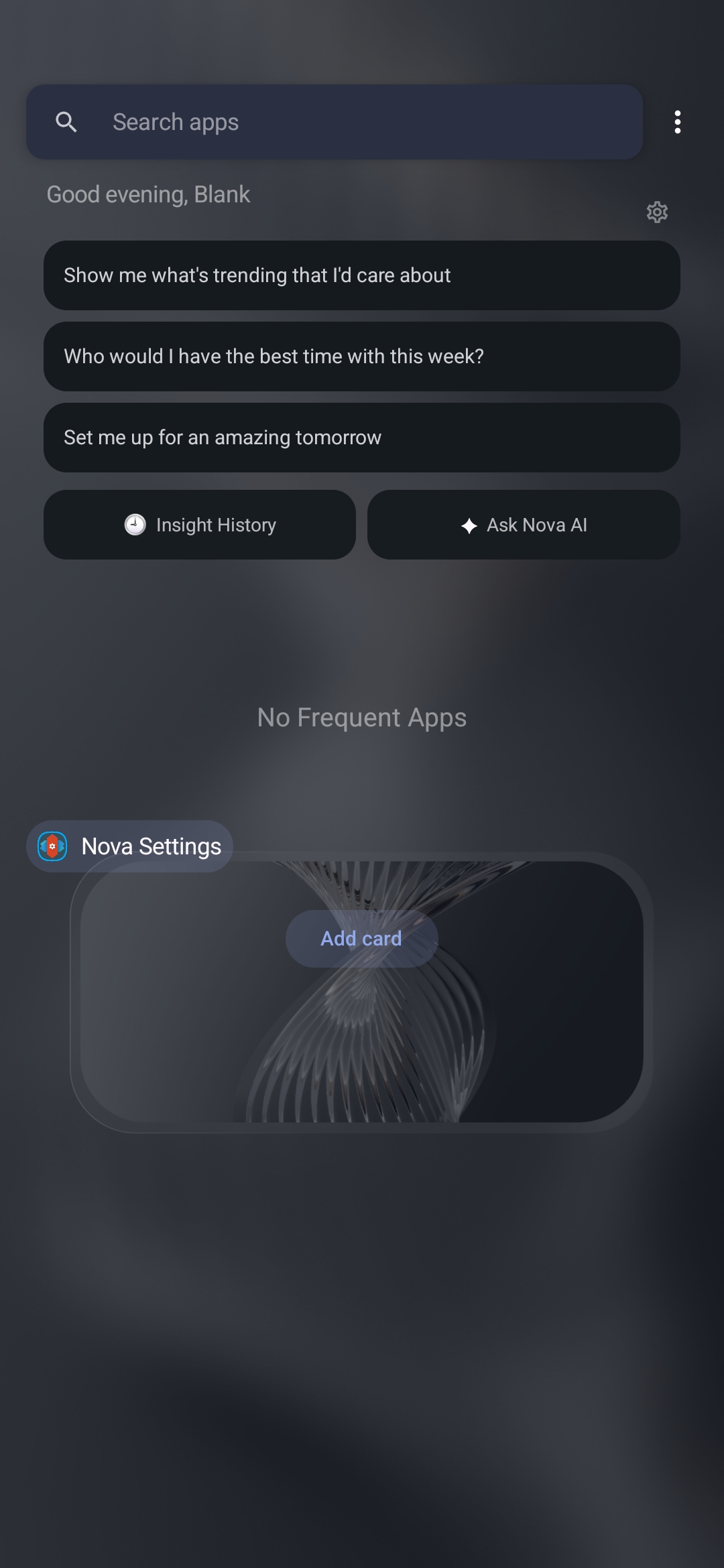
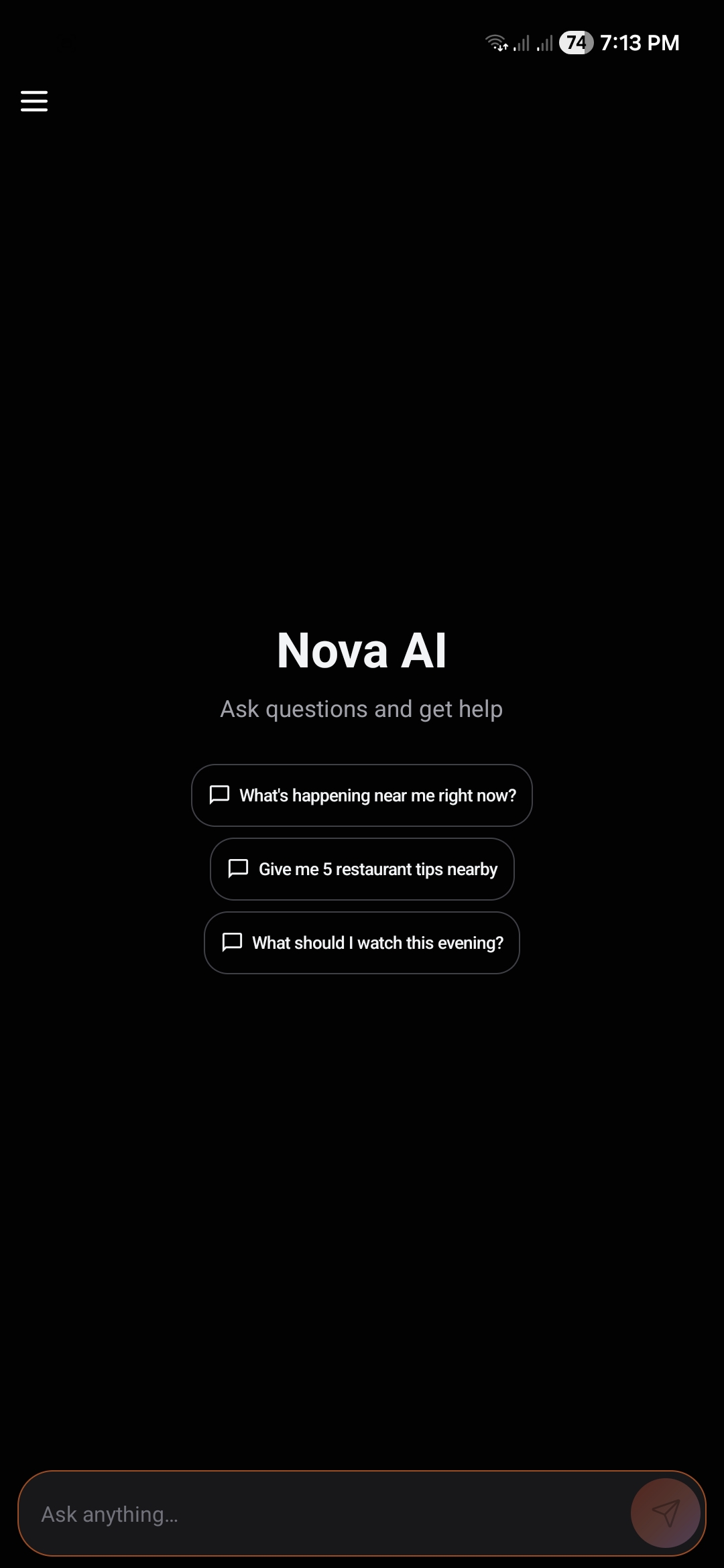
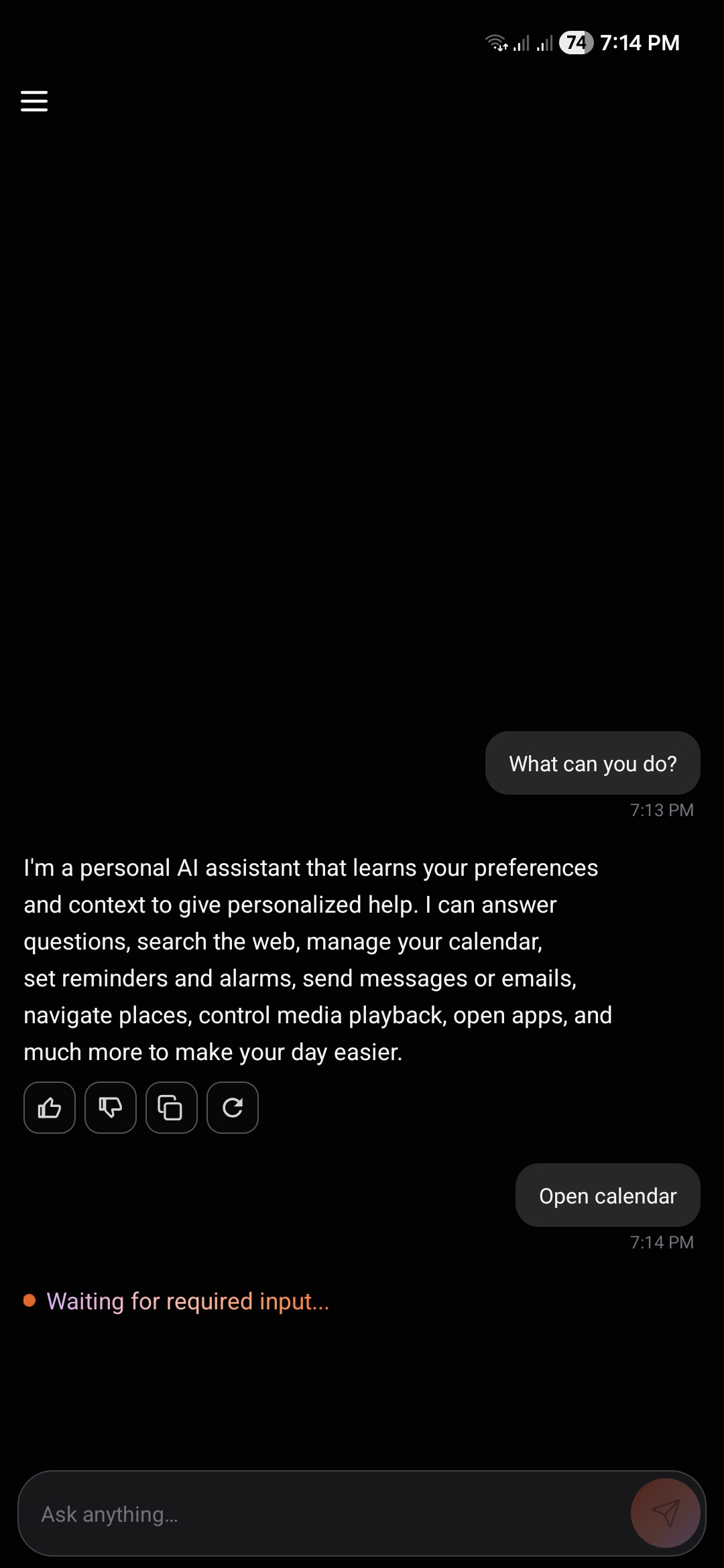
Recent beta releases—specifically Nova Launcher v8.6.8—reveal a bold new direction: a built-in AI assistant capable of analyzing your calendar, contacts, app usage, and even private messages to deliver “contextual insights.” Alongside this, a chatbot feature is being tested, and code hints at a recurring subscription tier called “Nova Plus,” which would offer premium AI features. This pivot raises urgent questions about privacy, data ownership, and the future of personalization on our devices.
What was once a tool for personal expression is now on the verge of becoming a digital gatekeeper—one that watches, learns, and monetizes your every digital move.
From Customization to Control: The Evolution of Nova Launcher
Nova Launcher began in 2011 as a lightweight alternative to Android’s often clunky default launchers. Its appeal lay in its simplicity and deep customization options—users could resize grids, change animations, and even create custom gestures to launch apps. It was a tool for control, not surveillance. Over the years, it became the go-to launcher for power users, developers, and privacy-conscious individuals who wanted to break free from Google’s ecosystem.

But the acquisition by Swedish fintech company Instabridge in early 2024 marked a turning point. Instabridge, known for its Wi-Fi-sharing app, claimed it would be a “responsible steward” of Nova Launcher. However, they also stressed the need for a “sustainable business model”—a phrase that has since taken on a more ominous tone.
Now, Nova is no longer just about arranging icons. The new beta versions are packed with strings and code references to “Nova AI,” a feature that promises to anticipate your needs. For example, it might suggest you leave for a meeting based on traffic data and your calendar, or recommend a contact to call based on recent messages. These sound convenient, but they come at a cost: deep integration into your personal data.
The Rise of “Nova AI”: A Proactive Assistant with a Price Tag
The core of Nova’s transformation is its new AI assistant, which operates in the background to analyze user behavior. According to beta testers, the feature can pull data from your calendar to suggest optimal times for breaks, scan your messaging apps to identify urgent conversations, and even track your location to recommend nearby services.
But this intelligence doesn’t come free. Code in the beta version references a “Nova Plus” subscription tier, which would unlock higher AI processing limits, faster response times, and more advanced insights. This is separate from the legacy “Nova Prime” one-time purchase, which will likely remain for basic customization features.
This dual-tier model mirrors trends seen in other productivity apps like Notion and Todoist, where AI features are increasingly gated behind subscriptions. However, Nova’s approach is more invasive—it’s not just analyzing notes or tasks, but potentially accessing SMS, call logs, and real-time location data.
Data Hunger: What Nova AI Wants—and Why It Matters
The most concerning aspect of Nova’s new direction is the scope of data it seeks to collect. Beta versions include permission requests for access to SMS messages, call history, precise location, and even app usage patterns across your device. While the company claims this data is used only to improve user experience, the lack of transparency raises red flags.
For instance, if Nova AI can read your text messages, it could theoretically identify emotional tone, track relationship dynamics, or even detect financial transactions. Combined with location data, it could build a detailed behavioral profile—one that could be valuable not just to Nova, but potentially to advertisers or data brokers.
This level of access is reminiscent of early versions of Google Assistant or Amazon Alexa, which also started as helpful tools but gradually expanded their data collection. However, unlike those services, Nova operates at the system level—giving it deeper access to your device than most apps.
The “Nova Plus” subscription will offer faster AI responses and higher usage limits.
The app is shifting from a one-time purchase model to a recurring subscription.
Instabridge, the parent company, has emphasized the need for a “sustainable business model.”
Beta versions include a chatbot and proactive suggestions based on user data.
The launcher may soon integrate with mobile plan management under “Nova Mobile.”
Over 50 million users have downloaded Nova Launcher to date.
The AI assistant could analyze emotional tone in messages and suggest actions.
The Subscription Shift: From Ownership to Access
One of the most significant changes is the move from a one-time purchase to a subscription model. Nova Prime, the original premium version, cost around $5 and unlocked features like gesture controls and icon customization. Now, “Nova Plus” appears to be positioning itself as a premium AI service, with recurring fees likely in the $2–$5 per month range.
This shift reflects a broader trend in software: the death of ownership. Instead of buying a product outright, users are increasingly paying for access. Adobe, Microsoft, and even Spotify have made similar transitions, arguing that subscriptions fund ongoing development and cloud-based features.
But for a launcher—a tool that traditionally runs locally and doesn’t require constant updates—the justification is thinner. Critics argue that Nova is using AI as a pretext to justify recurring charges, even if the underlying technology doesn’t require cloud processing.
The first major app to introduce a subscription model for a launcher-like experience was Microsoft’s Cortana, which offered premium voice features for a monthly fee in 2018. However, it was discontinued in 2023 due to low adoption and privacy concerns—a cautionary tale for Nova’s ambitions.
Privacy in the Age of Proactive AI
As Nova Launcher becomes more intelligent, the privacy implications grow more severe. The app’s ability to analyze personal communications and location data places it in the same category as social media platforms and ad networks—entities that have faced intense scrutiny for data misuse.
While Nova has not yet been accused of selling data, the architecture of its AI system suggests it could. Proactive assistants need to process vast amounts of personal information to function, and once that data leaves your device, it’s difficult to control.
Experts warn that even anonymized data can be re-identified. A 2019 study from MIT showed that just four data points—location, time, date, and activity—are enough to uniquely identify 95% of individuals in a dataset. If Nova collects this information, it could inadvertently expose users to tracking or profiling.
A 2022 study by the University of California found that people who use AI assistants with high data access report higher levels of digital anxiety and distrust. The more an app knows about you, the more users feel like they’re being watched—even if the app is designed to help.
The Bigger Picture: The Future of Personalization
Nova Launcher’s pivot is part of a larger movement in tech: the race to build the ultimate personal assistant. Companies like Apple, Google, and Samsung are investing billions in AI that can anticipate needs, manage schedules, and even make decisions on your behalf. But as these tools become more powerful, they also become more intrusive.
The question is no longer whether AI can make our lives easier—it’s whether we’re willing to pay for that convenience with our privacy. Nova’s subscription model may be just the beginning. If successful, it could inspire other customization apps to follow suit, leading to a future where every aspect of our digital lives is monetized.
The “Nova Mobile” Wildcard
One of the most intriguing—and unsettling—hints in the beta code is a reference to “Nova Mobile,” a feature that appears to manage phone plan usage. This could allow Nova to track data consumption, suggest plan upgrades, or even switch carriers automatically. While this sounds useful, it would require access to billing information and carrier accounts—another layer of sensitive data.
If implemented, Nova Mobile could turn the launcher into a full-fledged digital concierge, managing not just your apps but your entire mobile experience. But with great power comes great responsibility—and great risk.
What This Means for Users
For now, Nova Launcher remains a powerful tool for customization. But the writing is on the wall: the future of personalization is AI-driven, subscription-based, and deeply integrated into our daily lives.
Users who value privacy may want to reconsider their reliance on Nova, especially as the app requests more permissions. Alternatives like Lawnchair, Action Launcher, or even stock Android launchers offer customization without the AI overhead.
Meanwhile, regulators are beginning to take notice. The European Union’s Digital Markets Act and the U.S. FTC’s increased scrutiny of data practices could force Nova to be more transparent about how it uses AI and collects data.
In the end, the story of Nova Launcher is a microcosm of a larger tech dilemma: how much of ourselves are we willing to give up for convenience? As AI becomes smarter and more embedded in our devices, the line between assistant and overseer grows thinner. The question isn’t just what Nova AI can do—it’s what it should be allowed to do.
This article was curated from Nova Launcher could soon add a proactive AI assistant that sucks up all your data via Android Authority