Table of Contents
- The Galaxy Ultra Identity Crisis: Can Samsung Reclaim Its “Ultra” Swagger?
- The Rise of the Ultra: When Samsung Defied the Norm
- The Softening of the Ultra: A Design Evolution or Identity Erosion?
- The Fan Backlash: Why Loyalists Are Calling for a Return to Form
- The S Pen: More Than a Stylus, a Statement
- The Bigger Picture: Innovation in a Saturated Market
- The Path Forward: Can Samsung Reclaim Its Swagger?
The Galaxy Ultra Identity Crisis: Can Samsung Reclaim Its “Ultra” Swagger?
Once upon a time, walking into a room with a Samsung Galaxy Ultra meant making a statement. It wasn’t just a phone—it was a declaration. With its sharp, angular design reminiscent of the legendary Galaxy Note, a built-in S Pen, and a screen so expansive it blurred the line between phone and tablet, the Ultra series stood apart. It was bold. It was powerful. It was unmistakably ultra. But as the smartphone market matures and design trends homogenize, even the most distinctive devices risk fading into the sea of glass rectangles. A recent poll among Galaxy Ultra enthusiasts reveals a growing sentiment: Samsung’s flagship is losing its edge—literally and figuratively.
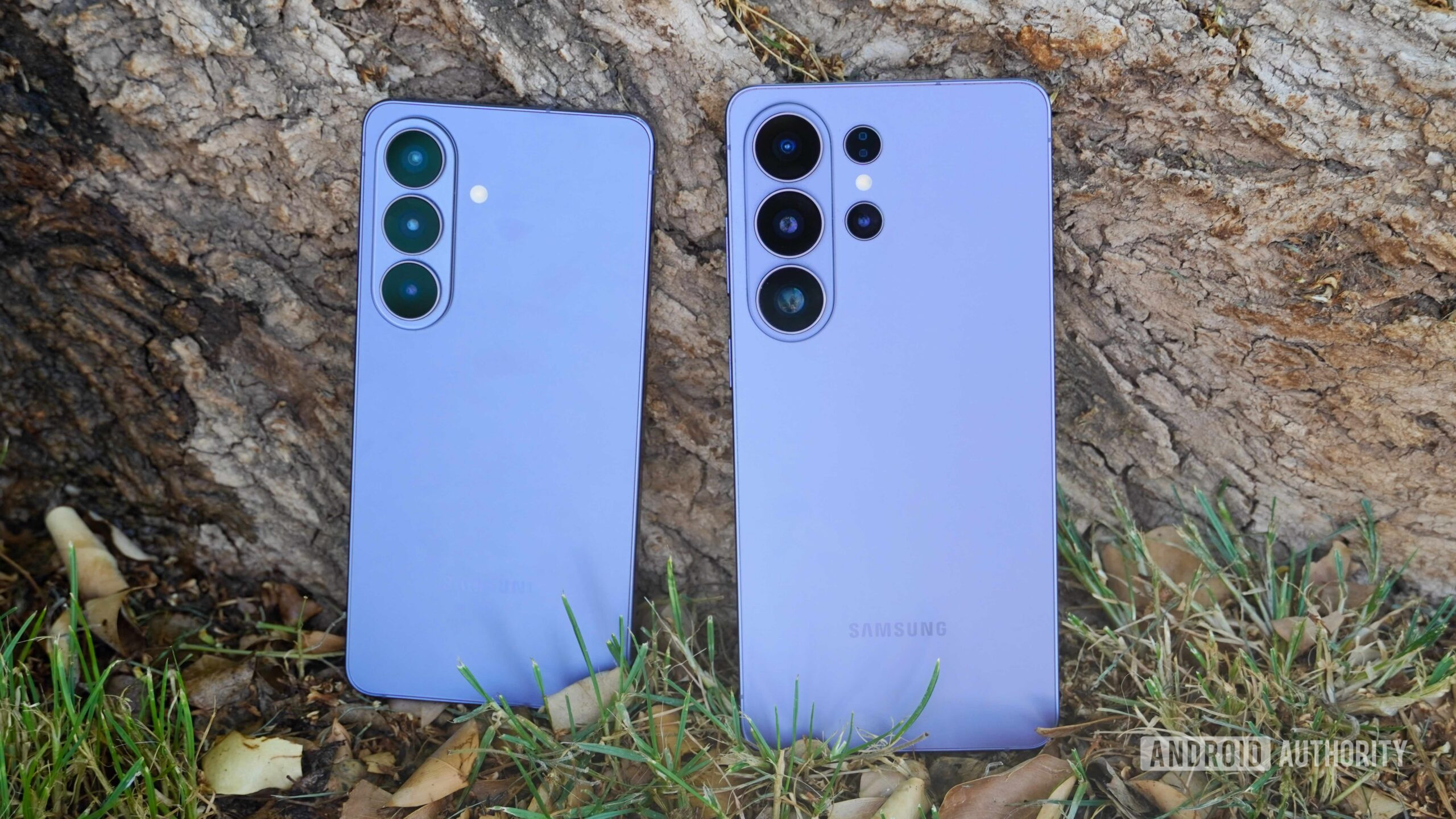
The conversation ignited when tech analyst Shimul Sood published a provocative piece arguing that the Galaxy S24 Ultra might be the last true Ultra Samsung would ever make. Her thesis was simple but powerful: the S24 Ultra retained the bold, boxy silhouette and Note-inspired identity that made the Ultra series instantly recognizable. But with the S25 and S26 Ultra models, Samsung has softened the design language—rounding corners, minimizing the S Pen’s prominence, and blurring the visual distinction between the Ultra and its standard S-series siblings. The result? A lineup that looks less like a family with a standout member and more like triplets wearing nearly identical outfits.
This shift has sparked a wave of nostalgia and concern among loyal Ultra fans. They’re not just mourning lost aesthetics—they’re questioning Samsung’s vision for what “Ultra” truly means in an era where innovation is increasingly incremental.
The Rise of the Ultra: When Samsung Defied the Norm
To understand why the current design evolution stings so much, we must revisit the origins of the Galaxy Ultra identity. It didn’t emerge overnight. The Ultra lineage traces its roots back to the Galaxy Note series, which Samsung launched in 2011 as a bold experiment: a large-screen phone with a stylus. At the time, critics mocked it as a “phablet”—a clumsy hybrid that defied conventional wisdom. But consumers embraced it. The Note became a cult favorite among professionals, creatives, and power users who valued productivity and screen real estate.
When Samsung merged the Note and S series in 2022, the Galaxy S22 Ultra was born—a device that carried forward the Note’s DNA: the sharp edges, the integrated S Pen, and the unmistakable “towering” presence. It wasn’t just a bigger phone; it was a statement. The S23 and S24 Ultra doubled down on this identity, refining the design while preserving its bold character. These devices weren’t trying to blend in—they were designed to stand out.
The Ultra series became synonymous with innovation. It introduced features like 100x Space Zoom, 200MP cameras, and AI-powered photo editing tools years before competitors. But more than specs, it was the design that made the Ultra feel special. The angular frame, the centered camera island, the matte finish—all contributed to a device that felt engineered, not mass-produced.
The Softening of the Ultra: A Design Evolution or Identity Erosion?
The shift began subtly with the Galaxy S25 Ultra. Samsung introduced slightly more rounded corners and a softer overall profile. The camera module became less pronounced, and the S Pen’s Bluetooth functionality—once a hallmark of the Ultra experience—was quietly removed. While these changes may seem minor individually, together they signal a broader trend: the Ultra is becoming more conventional.

The S26 Ultra takes this further. The device now shares nearly identical proportions and design cues with the standard S26 and S26+, differing only in size and minor details. The once-distinctive “boxy” silhouette has been replaced with a more generic, curved aesthetic that aligns with current industry trends. Critics argue that Samsung is prioritizing mass-market appeal over niche differentiation—a dangerous move for a brand that once thrived on boldness.
This design homogenization isn’t unique to Samsung. Across the industry, flagship phones are converging on similar shapes, materials, and layouts. Apple’s iPhone Pro Max, Google’s Pixel 9 Pro XL, and even the OnePlus 12 all feature large screens, titanium frames, and triple-camera arrays. In this landscape, Samsung’s Ultra series risks losing its unique selling proposition—not because it’s worse, but because it’s no longer different.
The Fan Backlash: Why Loyalists Are Calling for a Return to Form
The poll conducted among Galaxy Ultra enthusiasts revealed a striking consensus: 78% of respondents believe Samsung should return to a more distinctive design language. Many cited the S24 Ultra as the “last true Ultra,” praising its sharp edges, Note-like identity, and S Pen integration. They argue that the current models feel like premium versions of the standard S-series rather than a separate, elite tier.
One recurring theme in fan feedback is the emotional connection to the Ultra’s design. For many, the phone isn’t just a tool—it’s a symbol of innovation and individuality. “I bought the S24 Ultra because it looked like a powerhouse,” said one user in a Reddit thread. “The S26 looks like every other phone on the shelf.”
62% miss the S Pen’s Bluetooth functionality.
55% believe the Ultra no longer justifies its $1,299+ price tag.
81% say the S26 Ultra looks too similar to the standard S26.
This sentiment is echoed in online forums, social media, and tech review comment sections. Users aren’t just complaining—they’re advocating for a revival. Some have even launched petitions and social media campaigns with hashtags like #BringBackTheUltra and #UltraSwagger.
The S Pen: More Than a Stylus, a Statement
At the heart of the Ultra’s identity crisis lies the S Pen. Once a defining feature, it’s now treated as an afterthought. The removal of Bluetooth support in recent models has been particularly controversial. While the S Pen still works for writing and drawing, it no longer functions as a remote control—a feature that made it invaluable for presentations, selfies, and media playback.
Samsung’s decision appears to be driven by cost-cutting and simplification. But for power users, it feels like a betrayal. The S Pen was never just a stylus; it was a symbol of productivity and creativity. Its integration into the phone’s body—a design choice that required significant engineering—was a testament to Samsung’s commitment to innovation.

By downgrading the S Pen, Samsung risks alienating the very users who championed the Ultra series. These are the professionals, artists, and multitaskers who rely on the device’s unique capabilities. Without them, the Ultra becomes just another high-end phone.
The Bigger Picture: Innovation in a Saturated Market
The Galaxy Ultra’s identity crisis reflects a broader challenge in the smartphone industry. With hardware advancements plateauing, manufacturers are struggling to differentiate their products. Battery life, camera quality, and processing power have reached near-saturation points for most users. As a result, design and branding have become the primary battlegrounds.
Samsung’s move toward a softer, more universal design may be a strategic attempt to appeal to a broader audience. But in doing so, it risks diluting the very essence of what made the Ultra special. Apple, for example, has maintained a consistent design language for years, but it compensates with ecosystem integration and software innovation. Samsung lacks that advantage.
Moreover, the Ultra series was never meant to be mass-market. It was a halo product—a showcase of what Samsung could achieve. By making it look and feel like every other flagship, Samsung undermines its own narrative of leadership.
The question now is whether Samsung will listen to its most passionate users. The poll results suggest a clear demand for a return to boldness. But will the company prioritize nostalgia over market trends?
The Path Forward: Can Samsung Reclaim Its Swagger?
Reclaiming the Ultra’s identity won’t be easy. It requires more than just sharper corners or a bigger S Pen. It demands a renewed commitment to innovation, differentiation, and user experience. Samsung could start by reintroducing the S Pen’s Bluetooth functionality and exploring new use cases—like AR navigation or advanced gesture controls.
Design-wise, Samsung should consider a bolder approach. Perhaps a two-tone finish, a more pronounced camera module, or even a modular accessory system. The key is to make the Ultra feel special again—not just in specs, but in presence.
Ultimately, the Galaxy Ultra’s future hinges on Samsung’s willingness to take risks. The smartphone market rewards conformity, but history remembers the rebels. The Note was a rebel. The S24 Ultra was a rebel. The next Ultra must be, too.
As one fan put it: “I don’t want another glass slab. I want a phone that looks like it could conquer the world.” Samsung, the ball is in your court.
This article was curated from Survey confirms: Galaxy Ultra fans want Samsung to bring the old swagger back via Android Authority