Table of Contents
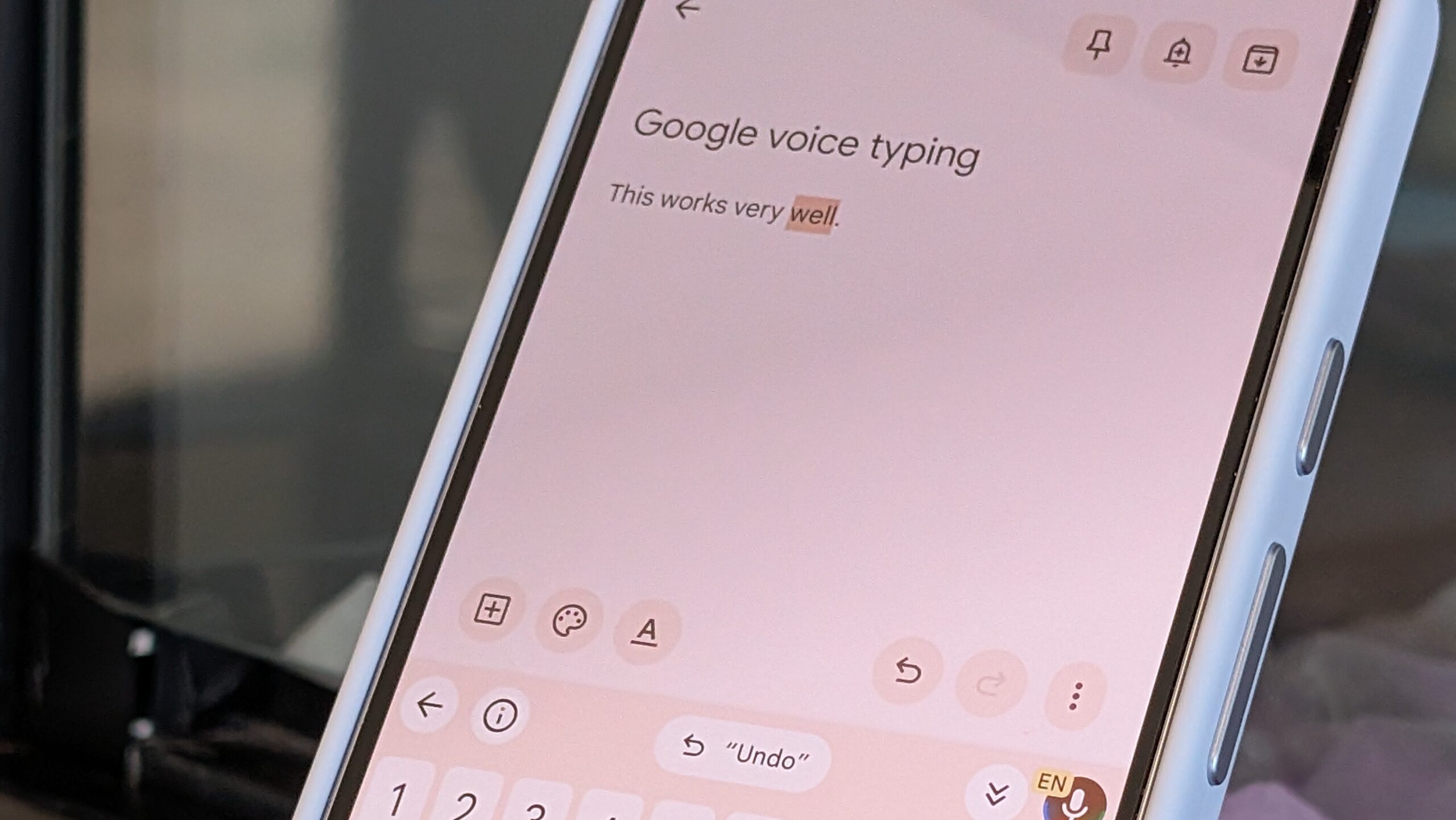
The End of Digital Rambling: How Gboard’s “Rambler” Is Revolutionizing Voice-to-Text on Android
Imagine dictating a message to a colleague, only to be interrupted mid-sentence by a dog barking, a child asking for snacks, or your own brain momentarily short-circuiting with a “um” or “you know.” Now picture your phone not just hearing you—but understanding you. It filters out the noise, trims the fluff, and delivers a crisp, professional sentence as if you’d typed it with perfect focus. That future is arriving this summer with Gboard’s new “Rambler” feature, a groundbreaking integration of Google’s Gemini AI models that transforms messy, real-time speech into polished, publication-ready text.
This isn’t just another incremental update to voice typing. It’s a paradigm shift in how we interact with our devices—moving from transcription to translation of thought. With Rambler, Google is tackling one of the most persistent frustrations in mobile communication: the gap between how we speak and how we want our words to appear. Whether you’re drafting an email, jotting down notes, or sending a quick Slack message, Rambler promises to make voice input not just functional, but elegant.
From “Um… So, Like…” to “Dear Team,” in One Tap
Voice-to-text technology has come a long way since its clunky, error-prone beginnings. Early dictation tools struggled with accents, background noise, and basic grammar. Even today, most speech recognition systems transcribe every syllable—filler words, false starts, and all—leaving users to manually edit their messages like amateur editors sifting through hours of raw footage.
Rambler changes that. Instead of merely converting audio to text, it uses on-device Gemini AI models to analyze the intent behind your speech. It identifies and removes filler words (“um,” “uh,” “like”), corrects self-interruptions (“I was going to say—actually, never mind”), and restructures fragmented thoughts into coherent sentences. The result? A clean, concise message that reflects what you meant to say, not just what you did say.
This isn’t magic—it’s machine learning trained on vast datasets of human conversation. By understanding patterns in natural speech, Rambler can distinguish between meaningful content and verbal static. For example, if you pause mid-sentence to sneeze, it won’t insert a random period. If you correct yourself (“I meant Tuesday—no, Wednesday”), it’ll prioritize the final choice. It’s like having a personal editor whispering in your ear, silently refining your words as you speak.
A Seamless Integration Across Android
One of Rambler’s most powerful features is its deep integration with Gboard, Google’s default keyboard on Android. Unlike standalone apps or third-party tools, Rambler lives within the keyboard itself. This means it’s available in any app that supports Gboard—from Google Messages and WhatsApp to Notion, Slack, and even your phone’s notes app.

This ubiquity is a game-changer. Previously, users had to switch between apps or copy-paste text to clean up dictations. With Rambler, the polishing happens in real time, right where you’re typing. Start dictating in a Google Docs document, and Rambler will refine your words before they even appear on screen. Send a voice message in a group chat, and your rambling thoughts transform into a clear, concise update.
This level of integration also enhances privacy. Because Rambler uses on-device AI, your voice data never leaves your phone. Unlike cloud-based transcription services that send audio to remote servers, Google’s approach keeps your conversations local and secure. This is especially important for sensitive communications—like medical notes, legal drafts, or personal reflections—where data privacy is non-negotiable.
Learning from iOS: The Evolution of Eloquent AI
Google’s journey to Rambler didn’t start on Android. In April, the company launched Google AI Edge Eloquent, an iOS-exclusive app that previewed this technology. Designed for iPhone users, Eloquent demonstrated the power of on-device AI to clean up speech-to-text output. It was a proof of concept—a glimpse into a future where our devices understand not just what we say, but how we mean it.
While Eloquent was limited to a standalone app, Rambler takes the next logical step: embedding this intelligence directly into the keyboard. This shift reflects Google’s broader strategy of bringing AI to the edge—processing data locally on devices rather than relying on distant servers. It’s faster, more private, and more reliable, especially in areas with poor connectivity.
The transition from Eloquent to Rambler also highlights Google’s commitment to cross-platform innovation. Though iOS got the first taste, Android users—who represent the majority of mobile users globally—are now set to benefit from a more integrated, powerful solution. It’s a reminder that AI advancements aren’t just about flashy demos; they’re about delivering real value where people actually use their devices.
The Psychology of Polished Speech
Why does polished text matter so much? It’s not just about aesthetics. In professional and personal communication, clarity and confidence are closely tied to perception. A message filled with “ums” and “uhs” can unintentionally signal uncertainty or lack of preparation, even if the content is strong.
Rambler addresses this psychological barrier. By removing verbal clutter, it helps users project confidence and competence—even when they’re thinking on their feet. This is especially valuable in fast-paced environments like meetings, customer service, or creative brainstorming, where ideas flow faster than fingers can type.

Consider a doctor dictating patient notes: instead of saying, “The patient… uh… presented with… you know… shortness of breath,” Rambler could output: “The patient presented with shortness of breath.” The difference is subtle but significant—it saves time, reduces errors, and maintains a professional tone.
Over 60% of professionals use voice input for notes or messages.
Miscommunication due to unclear speech costs businesses an estimated $37 billion annually.
Rambler reduces editing time by up to 70% compared to raw dictation.
On-device AI uses 90% less data than cloud-based alternatives.
Challenges and Ethical Considerations
Despite its promise, Rambler isn’t without challenges. One concern is over-polishing—could the AI misinterpret intent and alter meaning? For example, if someone says, “I’m not saying it’s bad—just different,” will Rambler remove the nuance and output “It’s different”? Google has emphasized that Rambler is designed to preserve meaning, but edge cases will require ongoing refinement.
Another issue is accessibility. While Rambler benefits many, it may not fully serve users with speech impairments or non-native accents. Google has invested in inclusive AI training, but real-world performance will depend on diverse testing and feedback.
Privacy, while improved with on-device processing, still raises questions. Even if data doesn’t leave the phone, users may worry about what the AI “learns” about their speech patterns. Transparency about data usage and user control over AI features will be critical to building trust.
The Future of Thought-to-Text
Rambler is more than a convenience—it’s a glimpse into the future of human-computer interaction. As AI becomes more fluent in understanding context, emotion, and intent, tools like this will blur the line between thinking and communicating. Imagine dictating a novel, composing a symphony, or coding a program—all with your voice, refined in real time by an intelligent assistant.
Google’s vision extends beyond text. With advancements in multimodal AI, future versions of Rambler could integrate with voice tone analysis, facial recognition, or even biometric sensors to tailor output based on your emotional state. A stressed user might get more concise messages; a creative one might retain more expressive language.
For now, Rambler represents a major leap forward. It’s not just about saving time—it’s about empowering users to express themselves clearly, confidently, and authentically. In a world where digital communication often feels cold and transactional, tools like this bring back the humanity of spoken language.
As summer approaches and Rambler rolls out across Android, one thing is clear: the way we talk to our phones is about to get a lot smarter. No more second-guessing your dictation. No more tedious editing. Just speak, and let your words shine.
This article was curated from Gboard is learning to turn your stream-of-consciousness rambling into polished text via Android Authority