Table of Contents
Google’s “Take a Message” Voicemail Revolution Is Breaking Free—And It’s Coming to Your Phone Soon
Imagine missing an important call while in a meeting, on a hike, or simply in a dead zone—only to return to your phone and find not just a missed call notification, but a full, real-time transcript of the voicemail left by the caller. No more fumbling with headphones, rewinding, or guessing what was said. That’s the promise of Google’s “Take a Message” feature, a quietly brilliant innovation that has, until now, been locked inside the Pixel ecosystem. But that’s about to change.
Google is on the verge of transforming voicemail from a relic of the analog age into a smart, accessible, and globally inclusive communication tool. Recent code discoveries within the Phone by Google app suggest a sweeping expansion of “Take a Message” beyond Pixel devices and into the hands of millions of Android users worldwide. With support for multiple languages and regions—including major markets in Europe and Asia—this feature is poised to redefine how we interact with missed calls in the digital era.
The Rise of Smart Voicemail: From Analog to AI
Voicemail has long been a necessary but clunky part of mobile communication. Since its invention in the 1970s by Gordon Matthews, the technology has remained largely unchanged: a caller leaves a message, you retrieve it later, often struggling to hear or remember key details. For decades, voicemail was a one-way street—passive, inefficient, and prone to miscommunication.
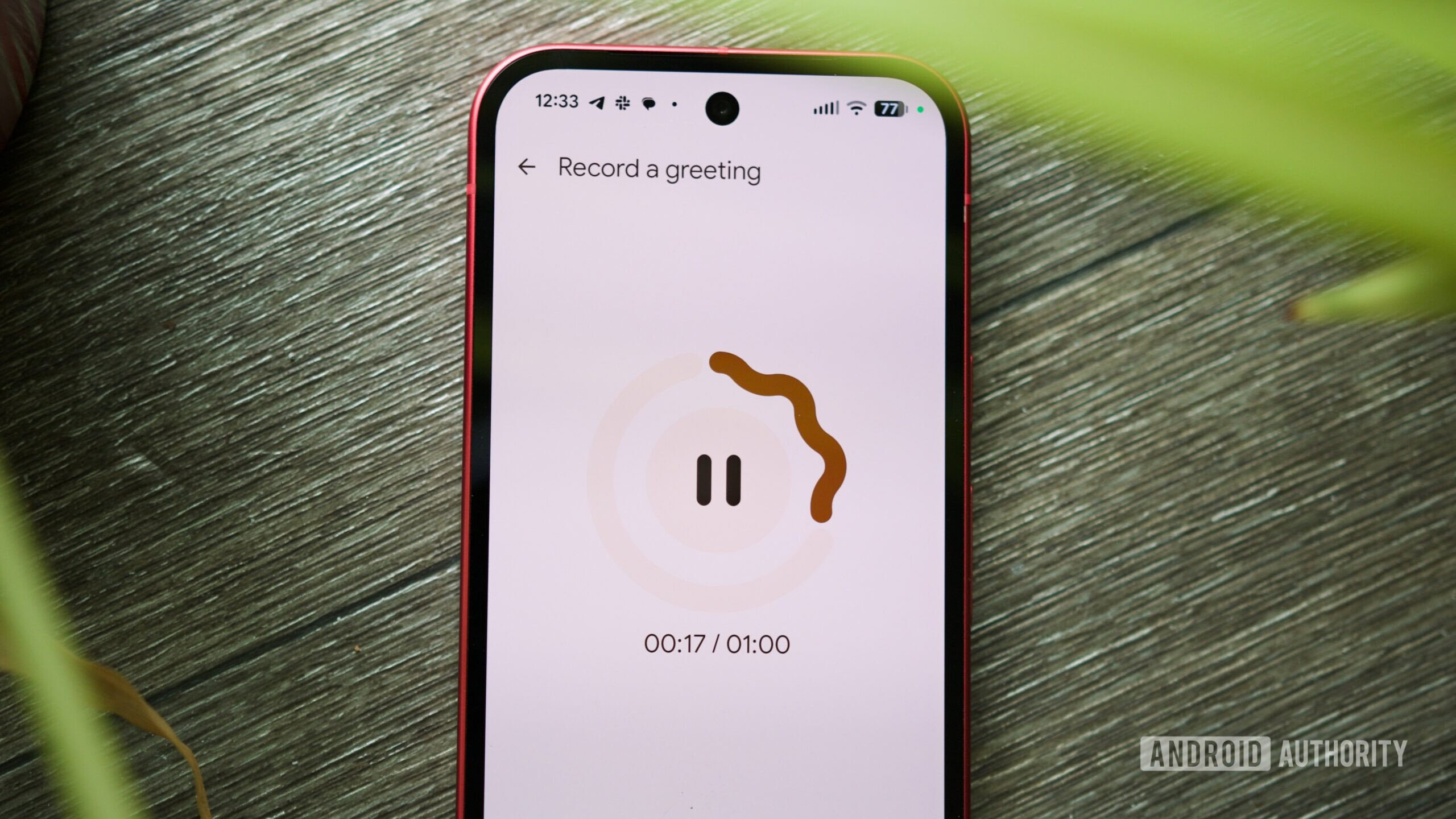
Enter Google’s “Take a Message.” Launched in 2017 with the Pixel 2, this feature leverages Google’s advanced speech recognition and natural language processing to answer calls on your behalf when you’re unavailable. Instead of letting the call go to traditional voicemail, the phone answers with a polite robotic voice: “The person you are calling is not available. Would you like to leave a message?” The caller speaks, and Google transcribes their message in real time, displaying it instantly on your screen.

What makes “Take a Message” revolutionary isn’t just the transcription—it’s the intelligence behind it. The system can distinguish between legitimate callers and potential spam, flagging suspicious messages and filtering out robocalls. It also integrates seamlessly with the Phone app, allowing users to read, reply, or call back directly from the transcript. No more listening to long, rambling messages—just skim the text and respond when you’re ready.
Breaking the Pixel Barrier: A New Era for Android
For years, “Take a Message” has been a Pixel-exclusive feature, available only in select English-speaking countries like the U.S., U.K., Canada, Australia, and Ireland. While praised by tech enthusiasts, its limited reach has kept it from becoming a mainstream tool. But that exclusivity is about to end.
Code analysis from the latest version of the Phone by Google app (v221.0.909663815) reveals that Google is preparing to open “Take a Message” to non-Pixel Android devices. Hidden strings and configuration flags suggest compatibility with a wide range of smartphones running Android 9 and above. This means brands like Samsung, OnePlus, Xiaomi, and Motorola could soon offer the feature to their users—potentially bringing smart voicemail to hundreds of millions of new devices.
This expansion isn’t just about hardware compatibility. It’s a strategic move by Google to strengthen its ecosystem. By making core communication features available across Android, Google increases user reliance on its services, even on non-Google-branded phones. It’s a win-win: users get better tools, and Google deepens its integration into the Android experience.
Global Expansion: From English-Only to Multilingual Mastery
One of the most exciting aspects of this expansion is the leap beyond English. Current versions of “Take a Message” support only English, limiting its usefulness in multilingual regions. But the new code hints at full transcription support for German, French, Italian, Spanish, and Japanese—five of the world’s most widely spoken languages.

This isn’t just about adding new languages; it’s about cultural adaptation. For example, in Japan, where business communication is highly formal and nuanced, a voicemail transcript that captures tone and context could be a game-changer. Similarly, in multilingual countries like Switzerland or Belgium, users could receive messages in their preferred language without needing to switch settings.
Google’s approach involves training its AI models on diverse linguistic datasets, including regional accents, dialects, and colloquialisms. This ensures that “Take a Message” doesn’t just transcribe words—it understands meaning. For instance, the system can detect sarcasm, urgency, or emotional tone in certain languages, helping users prioritize which messages to respond to first.
Fighting Spam and Scams: A Smarter Defense
One of the most underappreciated benefits of “Take a Message” is its spam detection capability. With robocalls and scam calls on the rise—over 50 billion spam calls were made in 2023 alone—users are increasingly wary of answering unknown numbers. “Take a Message” acts as a digital gatekeeper, answering calls from non-contacts and analyzing the content in real time.
Using machine learning algorithms, the system flags messages that contain common scam phrases (“You’ve won a prize!” or “Urgent: Your account is suspended”) and marks them as suspicious. Users can then choose to ignore, block, or report these calls. In some cases, the system can even automatically block repeat offenders.
This feature is particularly valuable in regions with high scam activity, such as India, Brazil, and parts of Southeast Asia. As “Take a Message” expands globally, it could become a powerful tool in the fight against telecom fraud.

The Road Ahead: Challenges and Opportunities
Despite its promise, the global rollout of “Take a Message” won’t be without challenges. Privacy concerns are at the forefront—after all, Google is processing voice data in real time, which raises questions about data storage, encryption, and user consent. Google has stated that voice data is processed locally on the device whenever possible, but some analysis still occurs on Google’s servers.
Additionally, carrier partnerships will be crucial. In many countries, voicemail services are managed by mobile operators, not the phone’s operating system. Google will need to collaborate with carriers to ensure seamless integration, especially in regions where traditional voicemail is still the norm.
There’s also the issue of user education. Many Android users may not even know “Take a Message” exists, let alone how to enable it. Google will need to invest in onboarding tutorials and in-app prompts to drive adoption.
Still, the potential benefits far outweigh the hurdles. Imagine a world where no important message is lost to a missed call, where spam is filtered before it reaches your ears, and where voicemail is as easy to read as a text message. That future is closer than ever.
It currently supports English-only transcription in 5 countries.
Google plans to expand to Germany, France, Italy, Spain, and Japan.
The feature uses on-device and cloud-based AI for real-time transcription.
Over 50 billion spam calls were made globally in 2023.
Android powers over 3 billion active devices worldwide.
Google’s speech recognition supports more than 40 languages.
The Phone by Google app is pre-installed on most Android devices.
A New Standard for Communication
As “Take a Message” prepares to break free from Pixel exclusivity, it’s not just expanding a feature—it’s redefining a standard. In an age where attention is fragmented and time is scarce, the ability to quickly scan a voicemail transcript could save hours of frustration. It’s a small innovation with massive implications.
This expansion also signals a broader shift in how Google approaches Android. Rather than locking features behind hardware, the company is increasingly focused on software-driven experiences that work across devices. It’s a strategy that benefits users, strengthens the Android ecosystem, and positions Google as a leader in intelligent communication.
For now, the rollout remains in the testing phase, with no official timeline announced. But the evidence is clear: “Take a Message” is no longer just a Pixel perk. It’s becoming a universal tool for modern communication—one that could soon be in your pocket, regardless of your phone’s brand.
The future of voicemail isn’t just smart. It’s inclusive, intelligent, and finally within reach for everyone.
This article was curated from The Pixel’s best voicemail feature might soon expand to non-Pixel phones, 20+ markets via Android Authority