Table of Contents
- A Legacy of Launch: Janet Petro’s Transformative Era at NASA Kennedy Comes to a Close
- From Army Officer to Space Leader: The Unconventional Path of Janet Petro
- Transforming Kennedy: From Government Monopoly to Multi-User Spaceport
- Leading Through Crisis: Petro’s Tenure During a Pivotal Time in Space History
- A Champion of Collaboration: Building Bridges Across Sectors
- The Road Ahead: What Petro’s Departure Means for NASA and the Future of Space
- Final Thoughts: A Visionary Leader Who Redefined What’s Possible
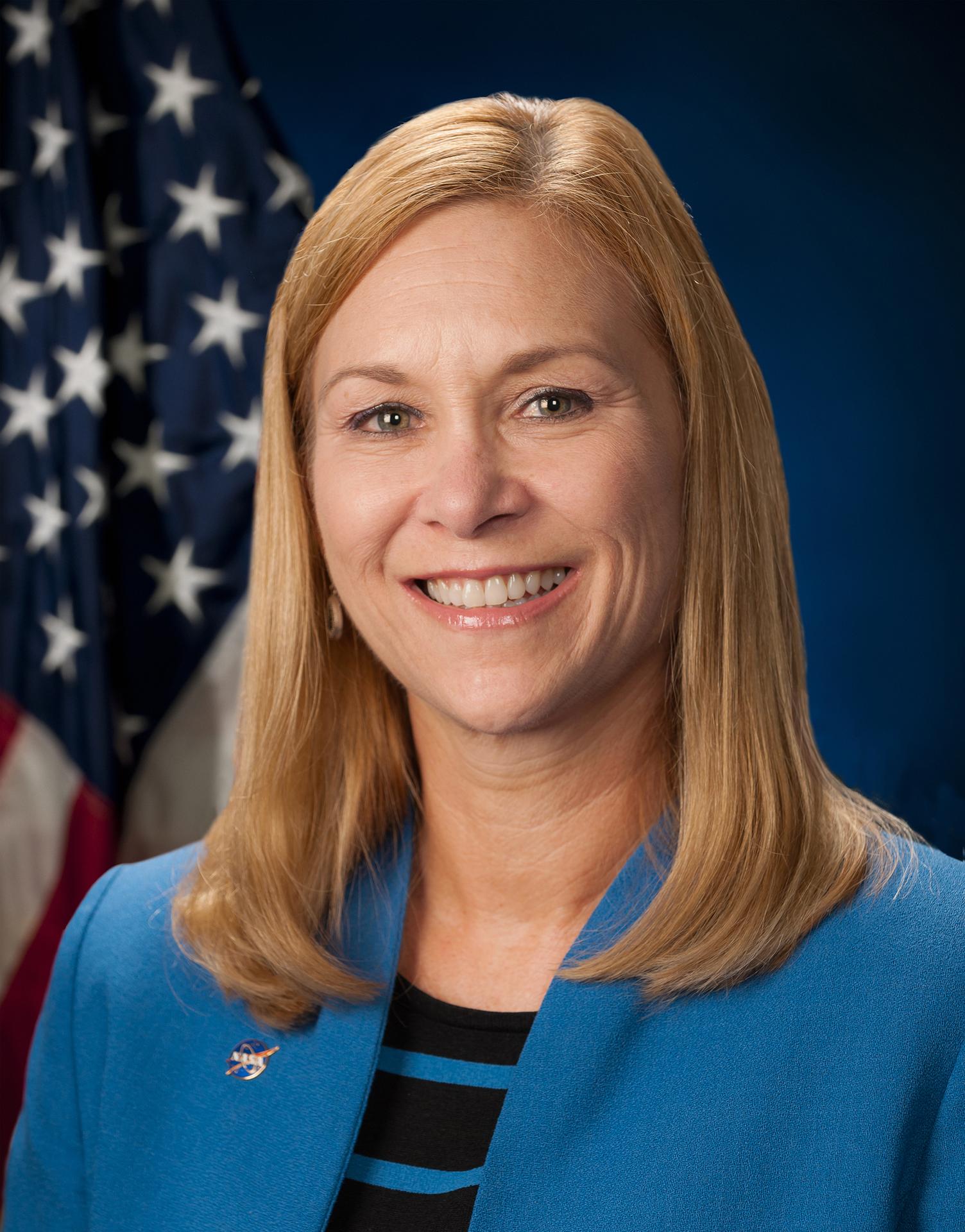
A Legacy of Launch: Janet Petro’s Transformative Era at NASA Kennedy Comes to a Close
After nearly two decades of service, Janet Petro, the trailblazing director of NASA’s Kennedy Space Center, has announced her retirement, marking the end of a pivotal chapter in America’s space exploration history. Her departure closes a career defined by innovation, resilience, and a relentless drive to modernize one of the world’s most iconic spaceports. From guiding Kennedy through its transformation into a bustling multi-user spaceport to serving as acting NASA administrator during a critical leadership transition, Petro’s influence has been both broad and deep.
Her retirement comes at a time when NASA stands on the brink of a new era—returning humans to the Moon under the Artemis program, expanding commercial partnerships, and preparing for eventual crewed missions to Mars. Petro didn’t just witness this evolution; she helped architect it. As the 11th director of Kennedy Space Center, she oversaw a workforce of thousands, managed billions in infrastructure and mission operations, and played a central role in redefining how space is accessed, not just by government agencies, but by private industry and international partners.
From Army Officer to Space Leader: The Unconventional Path of Janet Petro
Janet Petro’s journey to the helm of America’s premier spaceport began far from the launch pads of Florida. After graduating from the U.S. Military Academy at West Point in 1981, she was commissioned as an officer in the U.S. Army, where she gained early experience in leadership, logistics, and complex systems management. This military foundation instilled in her a disciplined approach to problem-solving and a deep appreciation for mission execution under pressure—qualities that would later define her NASA career.
Before joining NASA in 2007, Petro held senior management roles at Science Applications International Corporation (SAIC) and McDonnell Douglas Aerospace Corporation. These positions allowed her to interface with NASA, the U.S. military, and commercial aerospace firms, giving her a rare, cross-sector perspective on space operations. She wasn’t just a bureaucrat or a scientist; she was a systems integrator, someone who understood how technology, policy, and people had to align to achieve ambitious goals.
Her entry into NASA was not as a rocket scientist, but as a strategic leader. Starting in roles focused on mission support and organizational efficiency, Petro quickly demonstrated an ability to streamline operations and foster collaboration across silos. By the time she became deputy director of Kennedy in 2021, she was already known for her pragmatic leadership style and her ability to bridge the gap between legacy NASA operations and the fast-evolving commercial space sector.
Transforming Kennedy: From Government Monopoly to Multi-User Spaceport
When Petro assumed the role of Kennedy Space Center director in 2021, the facility was at a crossroads. For decades, Kennedy had operated primarily as a government-run launch complex, hosting NASA’s shuttle missions and, later, the Space Launch System (SLS). But the rise of commercial space companies like SpaceX, Blue Origin, and Rocket Lab signaled a seismic shift in how access to space would be achieved.

Petro recognized early that Kennedy needed to evolve—not just to survive, but to thrive. Under her leadership, the center underwent a fundamental transformation, transitioning from a single-user government facility to a dynamic, multi-user spaceport capable of supporting a diverse array of launch providers, research missions, and international partners.
This shift required more than just new infrastructure; it demanded a cultural change. Petro championed partnerships with the Federal Aviation Administration (FAA) and the U.S. Space Force to streamline regulatory processes, reduce bureaucratic bottlenecks, and create a more agile environment for commercial launches. She also oversaw upgrades to Launch Complex 39, including the development of mobile launcher platforms and support systems that could accommodate both NASA’s massive SLS rocket and smaller commercial vehicles.
Commercial launches at Kennedy have increased by over 300% since 2020, thanks in part to Petro’s modernization efforts.
The center’s workforce includes more than 10,000 civil servants and contractors, with over 40% working in commercial or public-private partnership roles.
Kennedy’s Launch Services Program supports missions for NASA, NOAA, the Department of Defense, and international space agencies.
The spaceport generates an estimated $5 billion in annual economic impact for Florida.
Leading Through Crisis: Petro’s Tenure During a Pivotal Time in Space History
Janet Petro’s time as director was marked by both triumph and turbulence. She led Kennedy through the final years of the Space Shuttle program’s legacy, the pandemic-induced disruptions to space operations, and the high-stakes development of the Artemis missions aimed at returning humans to the Moon. Her ability to maintain mission continuity during these challenges earned her widespread respect across the agency.

One of her most significant contributions was her role in ensuring the success of Artemis I—the uncrewed test flight of the SLS rocket and Orion spacecraft in 2022. As the launch site director, Petro oversaw the complex integration of hardware, personnel, and procedures required for one of the most powerful rockets ever built. When technical delays and weather threats threatened the launch window, her calm, methodical leadership helped keep the team focused and the mission on track.
Her leadership extended beyond the launch pad. During her brief tenure as acting NASA administrator in early 2025, Petro provided stability during a period of leadership transition, ensuring that critical programs like Artemis, the International Space Station, and Earth science missions continued without disruption. She worked closely with Congress, international partners, and industry leaders to maintain momentum on NASA’s long-term goals.
The Kennedy Space Center was renamed in 1963 in honor of President John F. Kennedy, who famously challenged the nation to land a man on the Moon and return him safely to Earth before the end of the 1960s. Petro’s work on the Artemis program directly fulfills that enduring vision.
A Champion of Collaboration: Building Bridges Across Sectors
What set Janet Petro apart was not just her technical acumen, but her ability to build bridges—between government and industry, between science and operations, and between tradition and innovation. She understood that the future of space exploration would not be led by NASA alone, but by a coalition of public and private actors working in concert.

Under her leadership, Kennedy became a hub for collaboration. She fostered relationships with companies like SpaceX, which now launches regularly from Kennedy’s Launch Complex 39A, and with emerging startups seeking access to space. She also worked to strengthen ties with international partners, including the European Space Agency (ESA) and the Canadian Space Agency, which contribute critical components to the Artemis missions.
Petro also prioritized workforce development and diversity. She launched initiatives to attract young engineers, support STEM education in Florida schools, and create pathways for underrepresented groups to enter the space industry. Her belief was clear: the next generation of space leaders should reflect the diversity of the nation they serve.
Long-duration space missions, like those planned for Artemis and future Mars expeditions, pose significant health risks to astronauts, including muscle atrophy, bone density loss, and radiation exposure. Petro supported NASA’s Human Research Program, which studies these effects and develops countermeasures—work that will be crucial for the safety of future lunar and Martian crews.
The Road Ahead: What Petro’s Departure Means for NASA and the Future of Space
As Janet Petro steps down, the Kennedy Space Center faces a leadership transition at a critical moment. With Artemis II—the first crewed flight of the SLS and Orion—scheduled for 2025, and plans for a sustained lunar presence underway, the next director will inherit a center that is more dynamic, diverse, and commercially integrated than ever before.

Petro’s legacy is not just in the missions she launched, but in the culture she cultivated—a culture of adaptability, inclusivity, and forward-thinking. She proved that a spaceport could be both a guardian of tradition and a catalyst for innovation. Her emphasis on efficiency, collaboration, and public-private partnership has set a new standard for how space operations can be conducted in the 21st century.
While her retirement marks the end of an era, it also opens the door for new leadership to build on her foundation. The challenges ahead—landing humans on the Moon, preparing for Mars, and expanding access to space—are immense. But thanks in large part to Janet Petro, NASA Kennedy is better positioned than ever to meet them.
11: The number of directors in Kennedy Space Center’s history—Petro was the first woman to hold the role permanently.
6 months: Duration of her tenure as acting NASA administrator in 2025.
40+: Number of major launches overseen during her time as director, including Artemis I, Crew Dragon missions, and commercial satellite deployments.
$12 billion: Estimated value of infrastructure upgrades initiated under her leadership, including new launch pads, processing facilities, and digital command systems.
Final Thoughts: A Visionary Leader Who Redefined What’s Possible
Janet Petro’s retirement is not just the departure of a skilled administrator; it is the closing of a chapter defined by transformation, resilience, and vision. She took the helm of Kennedy Space Center at a time of uncertainty and turned it into a beacon of innovation and collaboration. Her leadership helped ensure that America’s spaceport remained not just relevant, but essential, in an era of rapid change.
From her early days as an Army officer to her final days as acting NASA administrator, Petro demonstrated that leadership in space is about more than rockets and missions—it’s about people, partnerships, and the courage to imagine what comes next. As NASA prepares to return to the Moon and reach for Mars, the foundation she helped build will carry that journey forward.
Her legacy will be measured not only in launches and milestones, but in the culture of excellence and inclusivity she fostered—a culture that will continue to inspire the next generation of explorers, engineers, and dreamers.
This article was curated from NASA Kennedy Center Director Announces Plans to Retire via NASA Breaking News