Table of Contents
Imagine a world where autoimmune diseases—conditions like multiple sclerosis, lupus, and rheumatoid arthritis that silently turn the body’s defenses against itself—are not just managed, but reset. For decades, patients have relied on immunosuppressive drugs that dull the immune system like a blunt instrument, leaving them vulnerable to infections and long-term side effects. But now, a revolutionary therapy born from the battle against cancer is offering a radical new approach: not to suppress, but to reboot the immune system from the ground up.
At the heart of this medical breakthrough is CAR T cell therapy, a treatment once reserved for terminal blood cancer patients. Now, it’s being reimagined as a potential cure for autoimmune disorders. The story of Jan Janisch-Hanzlik, a 49-year-old nurse from Blair, Nebraska, illustrates the profound human impact of this shift. After years of watching her multiple sclerosis erode her independence—forcing her to give up her nursing duties, fear walking without falling, and even plan for a future in a wheelchair—she became the first patient in a pioneering clinical trial at the University of Nebraska Medical Center to receive CAR T therapy for her autoimmune condition.
Her journey is not just one of personal courage, but a beacon of hope for millions living with diseases that have long defied lasting solutions.
From Cancer Killer to Immune Reset Button
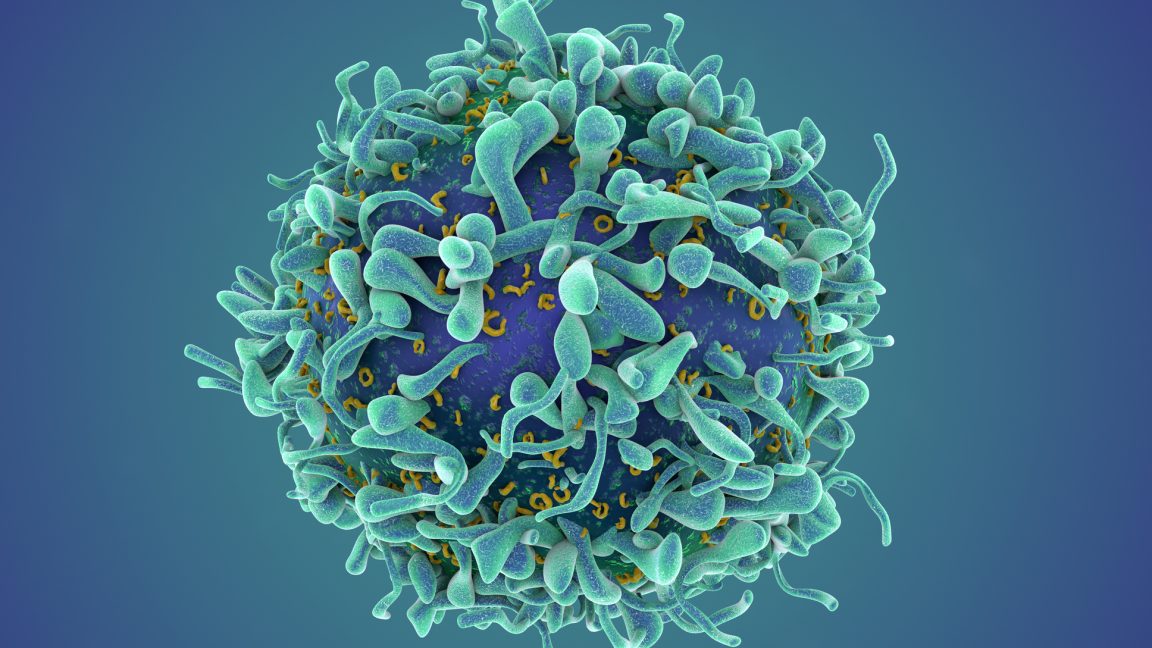
CAR T cell therapy, short for Chimeric Antigen Receptor T cell therapy, was originally developed to combat aggressive blood cancers like leukemia and lymphoma. The process involves extracting a patient’s own T cells—the immune system’s elite soldiers—and genetically engineering them in a lab to recognize and destroy cancer cells. Once reinfused into the body, these supercharged CAR T cells hunt down and eliminate malignant cells with remarkable precision.
What makes CAR T so revolutionary is its ability to achieve long-term remission in patients who had exhausted all other options. In some leukemia cases, remission rates exceed 80% after a single infusion. This success sparked a scientific domino effect: if CAR T can wipe out rogue cancer cells, could it also eliminate the misguided immune cells driving autoimmune diseases?
Autoimmune disorders arise when the immune system mistakenly attacks the body’s own tissues. In multiple sclerosis, it’s the protective myelin sheath around nerves. In lupus, it’s DNA and nuclear proteins. In Graves’ disease, it’s the thyroid-stimulating hormone receptor. The common thread? A population of self-reactive B cells—immune cells that produce harmful antibodies—persistently fueling the fire of inflammation and damage.
CAR T therapy for autoimmunity flips the script. Instead of targeting cancer cells, scientists engineer the T cells to seek out and destroy these rogue B cells. The goal isn’t just to reduce symptoms—it’s to eliminate the root cause and allow the immune system to “forget” its self-destructive programming. Early results are promising. In small trials, patients with lupus and MS have experienced dramatic reductions in disease activity, some achieving remission without ongoing medication.
“We’re not just treating the symptoms anymore,” says Dr. Miriam Goldstein, an immunologist not involved in the Nebraska trial. “We’re potentially curing the disease by restoring immune tolerance—the body’s ability to distinguish self from non-self.”
A Patient’s Leap of Faith
Jan Janisch-Hanzlik’s decision to enroll in the CAR T trial was born of desperation and determination. Diagnosed with relapsing-remitting MS in her early 40s, she watched her body betray her in slow motion. Her once-active life as a nurse—on her feet, lifting patients, thinking on her toes—gave way to fatigue, balance issues, and the constant fear of falling. Even carrying her grandchildren became a risk.
Standard treatments, including high-dose corticosteroids and disease-modifying drugs like ocrelizumab, offered little relief. “I felt like I was losing myself,” she recalls. “I wasn’t just fighting a disease—I was fighting to stay me.”

When she heard about the CAR T trial, she didn’t hesitate. “I called every other month for over a year,” she says. “I wasn’t going to let this chance slip away.” Her persistence paid off. In 2023, she became the first patient to receive CAR T therapy specifically for multiple sclerosis.
The treatment began with leukapheresis—a process that filters her blood to harvest T cells. These were then shipped to a lab, where they were genetically modified to target CD19, a protein found on the surface of B cells. After a round of chemotherapy to clear out existing immune cells, the engineered CAR T cells were infused back into her body.
The first weeks were grueling. Like many CAR T patients, Jan experienced cytokine release syndrome—a storm of inflammatory signals that can cause fever, low blood pressure, and confusion. But within a month, the storm passed. And then, something remarkable happened: her symptoms began to fade.
Women are twice as likely as men to develop an autoimmune condition.
The global autoimmune drug market exceeds $150 billion annually—yet most treatments only manage symptoms.
CAR T therapy costs between $375,000 and $500,000 per treatment, though prices may drop as manufacturing improves.
As of 2024, over 200 clinical trials are testing CAR T for autoimmune diseases worldwide.
How CAR T Resets the Immune System
To understand why CAR T could be a game-changer, it helps to think of the immune system as a vast, self-learning army. In healthy individuals, it learns early in life to tolerate the body’s own tissues—a process called central tolerance. But sometimes, rogue cells slip through. In autoimmune diseases, these cells multiply and train new recruits, creating a self-perpetuating cycle of attack.
Current treatments like steroids or biologics suppress the entire immune system or block specific inflammatory pathways. They’re like turning off the lights to stop a burglar—effective short-term, but risky and unsustainable.

CAR T, by contrast, is more like a precision drone strike. It eliminates the specific B cells responsible for producing autoantibodies, effectively wiping the immune system’s “memory” of self-attack. After the rogue cells are cleared, the body slowly regenerates a new population of B cells—this time, hopefully, without the autoimmune programming.
“It’s like rebooting a computer infected with malware,” explains Dr. Alan Kwan, a rheumatologist at Stanford University. “You wipe the hard drive, reinstall the operating system, and start fresh. That’s the promise of CAR T in autoimmunity.”
Early data supports this analogy. In a 2023 study published in Nature Medicine, five lupus patients treated with CAR T showed complete remission of symptoms, with no disease flares for over a year—even after stopping all other medications. Similar results have been seen in trials for myasthenia gravis and systemic sclerosis.
Challenges on the Road to a Cure
Despite the excitement, CAR T therapy is not without risks. The treatment can trigger severe side effects, including neurotoxicity and prolonged immune suppression. There’s also the question of long-term durability: will the immune system truly “reset,” or will autoimmune cells eventually return?
Moreover, CAR T is currently only approved for blood cancers. Using it for autoimmune diseases remains experimental, and access is limited to clinical trials. The high cost and complex manufacturing process also pose barriers to widespread adoption.

“We’re still in the early innings,” cautions Dr. Elena Rodriguez, an autoimmune researcher at Johns Hopkins. “We need larger, longer-term studies to confirm safety and efficacy across different diseases and populations.”
Another challenge is identifying the right patients. Not everyone with an autoimmune disease may benefit. Those with advanced organ damage, for example, may not see reversal of existing harm—only prevention of further decline.
Still, the potential is undeniable. If CAR T can deliver even a fraction of its cancer success to autoimmune patients, it could redefine the standard of care.
The Future of Immune Reboots
Looking ahead, scientists are exploring ways to make CAR T safer and more accessible. Next-generation therapies aim to “switch off” CAR T cells if side effects arise, or target multiple immune cell types simultaneously. Some researchers are even investigating off-the-shelf CAR T products derived from healthy donors, which could reduce cost and increase availability.
Beyond autoimmune diseases, the implications are vast. Could CAR T one day treat chronic inflammatory conditions like Crohn’s disease or even prevent organ rejection in transplants? The immune system’s role in aging and neurodegeneration is also under investigation.
For patients like Jan Janisch-Hanzlik, the future is already here. Months after her treatment, she reports improved balance, reduced fatigue, and a renewed sense of hope. She hasn’t returned to full-time nursing—yet—but she’s back to gardening, playing with her grandchildren, and planning a family trip.
“I don’t know if I’m cured,” she says. “But I feel like I’ve been given a second chance.”
The therapy uses a disabled HIV virus as a vector to deliver genetic material into T cells.
Over 30,000 patients have received CAR T therapy worldwide as of 2024.
Germany and Japan have approved CAR T for certain autoimmune conditions ahead of the U.S.
Researchers are now testing CAR T for type 1 diabetes and inflammatory bowel disease.
The average manufacturing time for CAR T cells is 10–14 days.
Some patients experience long-term B cell aplasia, requiring immunoglobulin replacement therapy.
The Nobel Prize in Physiology or Medicine 2018 was awarded for cancer immunotherapy discoveries that paved the way for CAR T.
As science continues to push the boundaries of what’s possible, one truth becomes clear: the line between cancer and autoimmunity is thinner than we once thought. Both are failures of the immune system—one to attack, the other to defend. And in the elegant logic of CAR T therapy, we may have found a way to fix both.
This article was curated from A revolutionary cancer treatment could transform autoimmune disease via Ars Technica – Science