Table of Contents
In an era where artificial intelligence and automation dominate headlines, a bold new frontier is emerging: the battle for digital identity. At the heart of this revolution is Tools for Humanity, a startup co-founded by OpenAI’s Sam Altman, which is pioneering a radical approach to online trust. Their flagship innovation—a sleek, futuristic orb that scans your eyes to verify you’re a real human—is now being deployed in an unexpected arena: live music. With the launch of Concert Kit, the company is aiming to dismantle one of the most frustrating problems in modern entertainment: ticket scalping.
For decades, fans have watched helplessly as bots snatch up thousands of concert tickets in seconds, only to resell them at exorbitant prices. Now, Tools for Humanity believes its World ID system—a decentralized “proof of personhood”—could finally give artists and fans a fighting chance. By linking ticket access to verified human identities, the company hopes to restore fairness to an industry long plagued by exploitation.
The Orb That Knows You’re Human
Imagine walking up to a glowing, silver sphere in a public space—perhaps a music venue, a tech expo, or even a university campus. You step forward, the orb activates with a soft hum, and within seconds, it captures a high-resolution scan of your iris. No personal data is stored centrally. Instead, a cryptographic “proof of human” is generated and stored securely on your phone. This is the World ID system in action.
Developed by Tools for Humanity, World ID is designed to answer a simple but profound question: Are you a unique human being? Unlike traditional identity verification methods—which often rely on government IDs, social media profiles, or biometric databases—World ID doesn’t collect or expose personal information. Instead, it uses zero-knowledge proofs and decentralized cryptography to confirm your humanity without revealing your name, age, location, or any other identifying detail.

The process begins at one of the company’s signature orbs, which have been installed in cities across the globe, from San Francisco to Nairobi. Once your eyes are scanned, the system generates a unique, anonymized identifier that lives on your device. This digital “passport” can then be used across participating apps and platforms to prove you’re not a bot—without ever disclosing who you are.
The implications go far beyond ticketing. In an age where AI-generated content, deepfakes, and automated spam threaten the integrity of online spaces, World ID offers a way to preserve authenticity. Social media platforms, dating apps, and even voting systems could one day use it to ensure that every interaction comes from a real person.
Concert Kit: A New Weapon Against Scalpers
Enter Concert Kit—a new feature built on top of World ID that aims to disrupt the scalping economy. The concept is elegant in its simplicity: artists can designate a portion of their tickets for “verified humans only.” Fans who have completed the World ID verification process gain access to a special pre-sale or exclusive ticket pool, bypassing the chaotic rush that typically leads to bots dominating sales.
This model mirrors existing artist pre-sales, where fans who sign up for fan clubs or mailing lists get early access. But unlike those systems—which can still be gamed by automated scripts—Concert Kit leverages the cryptographic assurance that each ticket request comes from a real, unique individual. Because the verification happens off-chain and is tied to a person’s biometric data, it’s nearly impossible for bots to replicate.

Bruno Mars is the first major artist to pilot the system on his upcoming world tour. While the exact number of tickets reserved for World ID users hasn’t been disclosed, the move signals a growing appetite among performers to reclaim control over their fan experiences. For artists, it’s not just about revenue—it’s about ensuring that tickets end up in the hands of genuine fans, not resellers looking to flip them for triple the price.
The system also gives artists flexibility. They can choose the level of verification required—full orb scan or a simpler selfie-based check—depending on the event’s size and security needs. Smaller venues might opt for lighter verification, while major stadium tours could require the full biometric scan to ensure maximum protection.
How It Works: From Orb to Ticketmaster
So how does a fan actually use Concert Kit? The process begins with World ID verification. Once a user has scanned their eyes at an orb (or completed a selfie check via the World ID app), they receive a digital credential stored on their phone. When an artist announces a Concert Kit-enabled event, fans can link their World ID to the ticketing platform of their choice—be it Ticketmaster, Eventbrite, or AXS.
At the time of purchase, the system checks whether the user has a valid World ID. If so, they’re granted access to the verified ticket pool. The entire transaction remains private: the ticketing platform never sees your biometric data, only the cryptographic proof that you’re a real human.

This privacy-first approach is central to Tools for Humanity’s philosophy. “We’re not building a surveillance state,” says Tiago Sada, Chief Product Officer at Tools for Humanity. “We’re building a system where you can prove you’re human without giving up your identity.”
The system is active in 30+ countries, with orbs located in public spaces like universities, tech hubs, and music festivals.
World ID uses zero-knowledge proofs, a cryptographic method that allows one party to prove knowledge of a secret without revealing the secret itself.
The average time to complete an orb scan is under 30 seconds.
Concert Kit is currently compatible with Ticketmaster, Eventbrite, AXS, and other major ticketing platforms.
The Bigger Vision: A “Human Passport” for the Internet
While Concert Kit is grabbing headlines, it’s just one application of a much larger vision. Tools for Humanity sees World ID as the foundation for a new kind of internet—one where trust is built into the architecture, not bolted on as an afterthought.
Imagine logging into a social media platform and knowing that every comment, like, and share comes from a real person. Or participating in an online election where bots and fake accounts can’t skew the results. These are the kinds of use cases World ID is designed to enable.
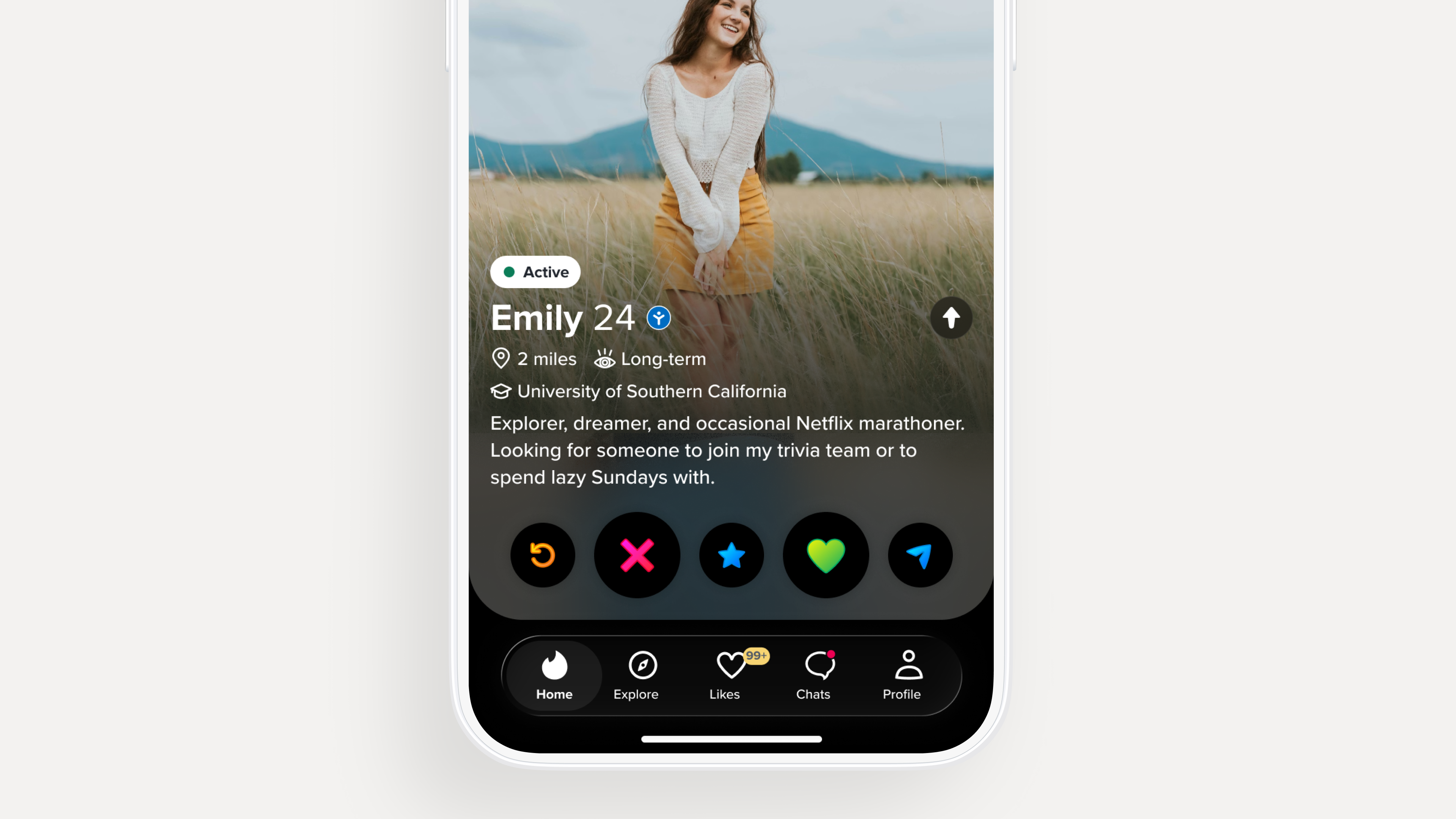
The company has already begun expanding into other areas. Tinder, for example, is rolling out World ID support worldwide—not for age verification in the U.S., but potentially for identity confirmation in high-risk interactions. In Japan, where the app first tested the feature, it was used to verify users’ ages without requiring ID uploads, offering a privacy-preserving alternative to traditional methods.

For Sam Altman, the mission is deeply personal. As the former president of Y Combinator and a key figure in the AI revolution, he’s acutely aware of the risks posed by automation and synthetic media. World ID, he believes, is a necessary counterbalance—a way to ensure that humans remain at the center of the digital world.
Challenges and Criticisms
Despite its promise, World ID is not without controversy. Privacy advocates have raised concerns about the long-term implications of biometric data collection, even if it’s decentralized. Critics argue that any system requiring eye scans could normalize surveillance, especially in regions with weak data protection laws.
There’s also the question of accessibility. Not everyone has access to an orb, and while the selfie-based verification offers a workaround, it’s less secure and may not be accepted for high-value events. This could create a two-tier system where only those with orb access enjoy the full benefits of verified services.
Moreover, scalpers are notoriously adaptive. If World ID becomes widespread, it’s possible that bad actors could find ways to exploit the system—perhaps by coercing people to scan their eyes or by creating fake orb locations. Tools for Humanity is aware of these risks and says it’s continuously updating its security protocols.

Still, the company remains optimistic. “We’re not claiming to have all the answers,” Sada admits. “But we believe that giving people a way to prove they’re human—without compromising their privacy—is a critical step toward a more trustworthy internet.”
The Road Ahead
As Concert Kit rolls out and more artists join the movement, the real test will be adoption. Will fans be willing to scan their eyes for a chance at fair ticket access? Will ticketing platforms fully integrate the system? And perhaps most importantly, will it actually reduce scalping?
Early signs are promising. The partnership with Bruno Mars has generated significant buzz, and other artists are reportedly in talks to adopt the system. If successful, Concert Kit could become a model for other industries—sports, theater, even political rallies—where bot-driven fraud is a growing concern.
In the long run, Tools for Humanity envisions a world where World ID is as commonplace as a driver’s license or passport. A world where you can prove you’re human with a glance, and where trust is no longer a luxury—but a built-in feature of the digital age.
The future of identity is being written in real time, one iris scan at a time. And for the first time in a long time, fans might actually get to see their favorite artists—without paying a scalper’s ransom.
This article was curated from Sam Altman's 'human verification' company thinks its eye-scanning orbs could solve ticket scalping via Engadget