Table of Contents
NASA’s Lunar Power Revolution: Fuel Cells Set to Transform Moon Energy Storage
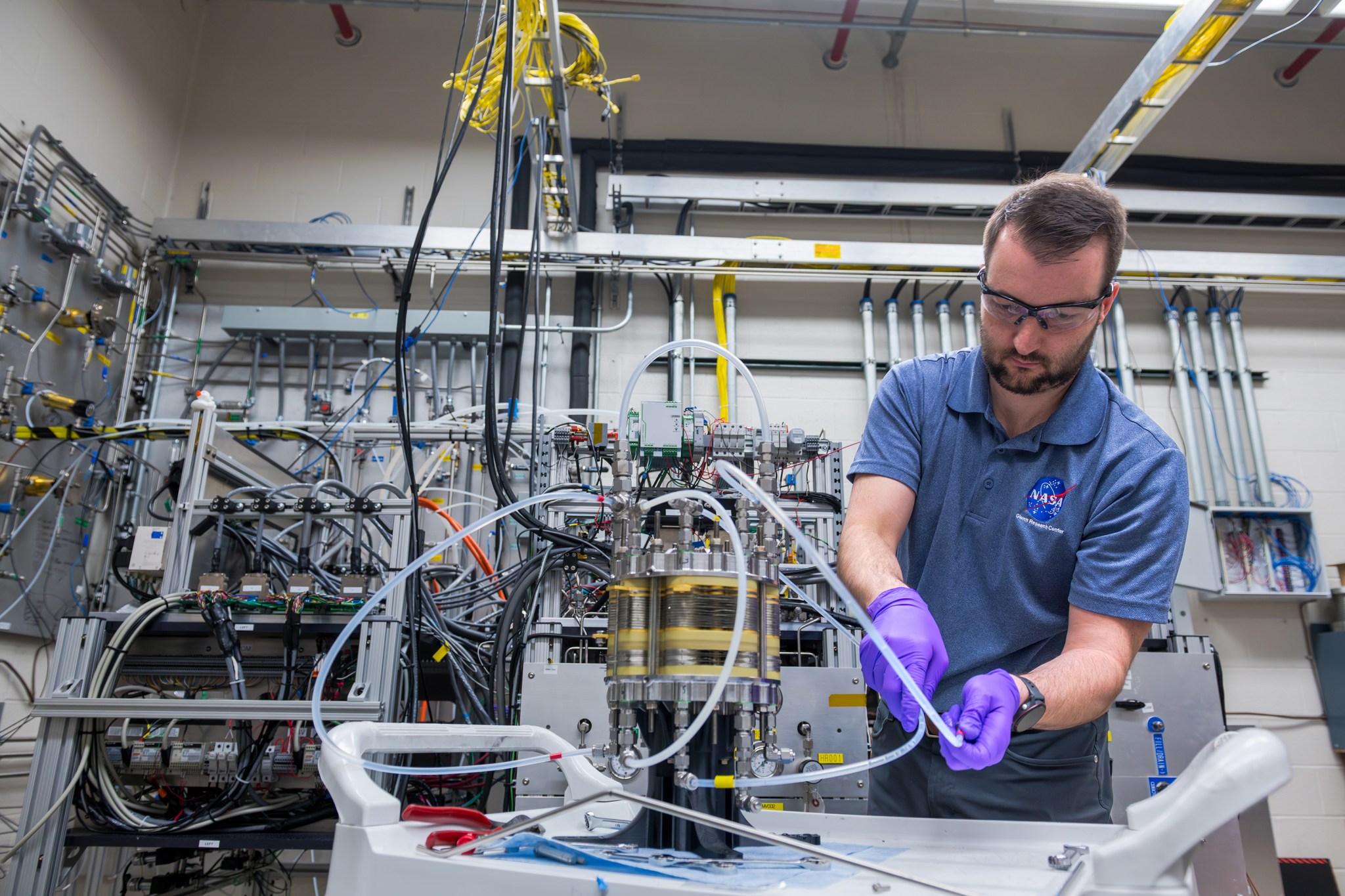
As humanity prepares to return to the Moon under NASA’s Artemis program, one of the most pressing challenges isn’t just landing safely or building habitats—it’s powering them. The Moon’s surface offers extreme temperature swings, prolonged darkness during lunar nights lasting 14 Earth days, and limited access to traditional energy sources. In response, NASA engineers are pioneering a groundbreaking energy storage system that could redefine how we sustain long-term lunar operations: regenerative fuel cells. Resembling a sedan in length and standing as tall as a person, this innovative technology operates like a rechargeable battery but with a lunar twist—it generates electricity by combining hydrogen and oxygen into water, then “recharges” by splitting that water back into its elemental gases, all on the Moon itself.
This closed-loop system represents a major leap forward from conventional solar arrays or nuclear power sources, which face limitations in reliability and scalability on the lunar surface. Unlike solar panels that go dormant during the long lunar night, or radioisotope thermoelectric generators (RTGs) that are heavy and complex, regenerative fuel cells offer a sustainable, efficient, and reusable energy solution. By storing energy in the form of hydrogen and oxygen gases, they provide a way to bank power for when it’s needed most—whether during exploration missions, habitat operations, or rover excursions across the Moon’s rugged terrain.
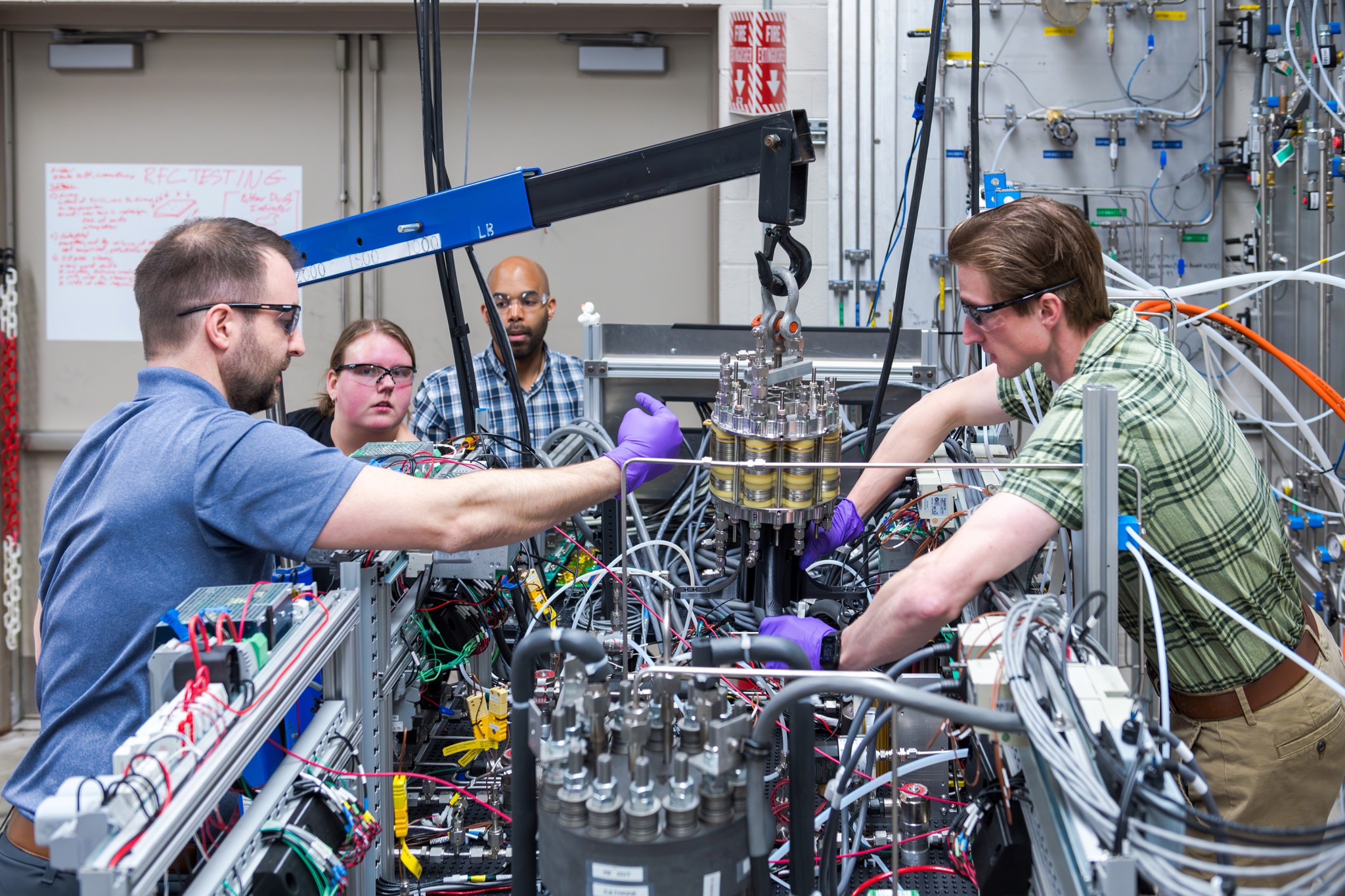
The technology is now reaching a pivotal moment. After years of development and ground testing, NASA’s team is preparing to operate the complete system for the first time, storing the hydrogen and oxygen produced during the recharge phase. This milestone is more than a technical achievement—it’s a critical step toward proving that regenerative fuel cells can function reliably in the harsh lunar environment. “This testing is going to generate crucial data, so every day is exciting,” said a senior project engineer involved in the effort. “The desire for fuel cell technology is so high, it makes it very easy to get up every morning and go, ‘All right, we have to keep moving forward so that we can be ready for Artemis.’”
A Closed-Loop Powerhouse: How Regenerative Fuel Cells Work
At the heart of NASA’s new system is a process that mimics nature’s most efficient energy cycles—but in reverse. During periods of excess energy, such as when solar panels are soaking up sunlight during the lunar day, the fuel cell operates in “electrolysis mode.” Using electricity, it splits water (H₂O) into hydrogen and oxygen gases, which are then stored in high-pressure tanks. When power is needed—say, during the long lunar night or when rovers venture into shadowed craters—the system flips into “fuel cell mode,” recombining the stored gases to produce electricity, heat, and pure water as a byproduct.
This dual-mode operation makes regenerative fuel cells incredibly versatile. Unlike traditional batteries that degrade over time or fuel cells that only generate power without recharging capability, this system offers a true energy storage solution. It’s akin to a hybrid between a battery and a fuel cell, combining the best of both worlds. The water produced during power generation can even be recycled for drinking, hygiene, or further electrolysis, creating a self-sustaining loop that minimizes waste.
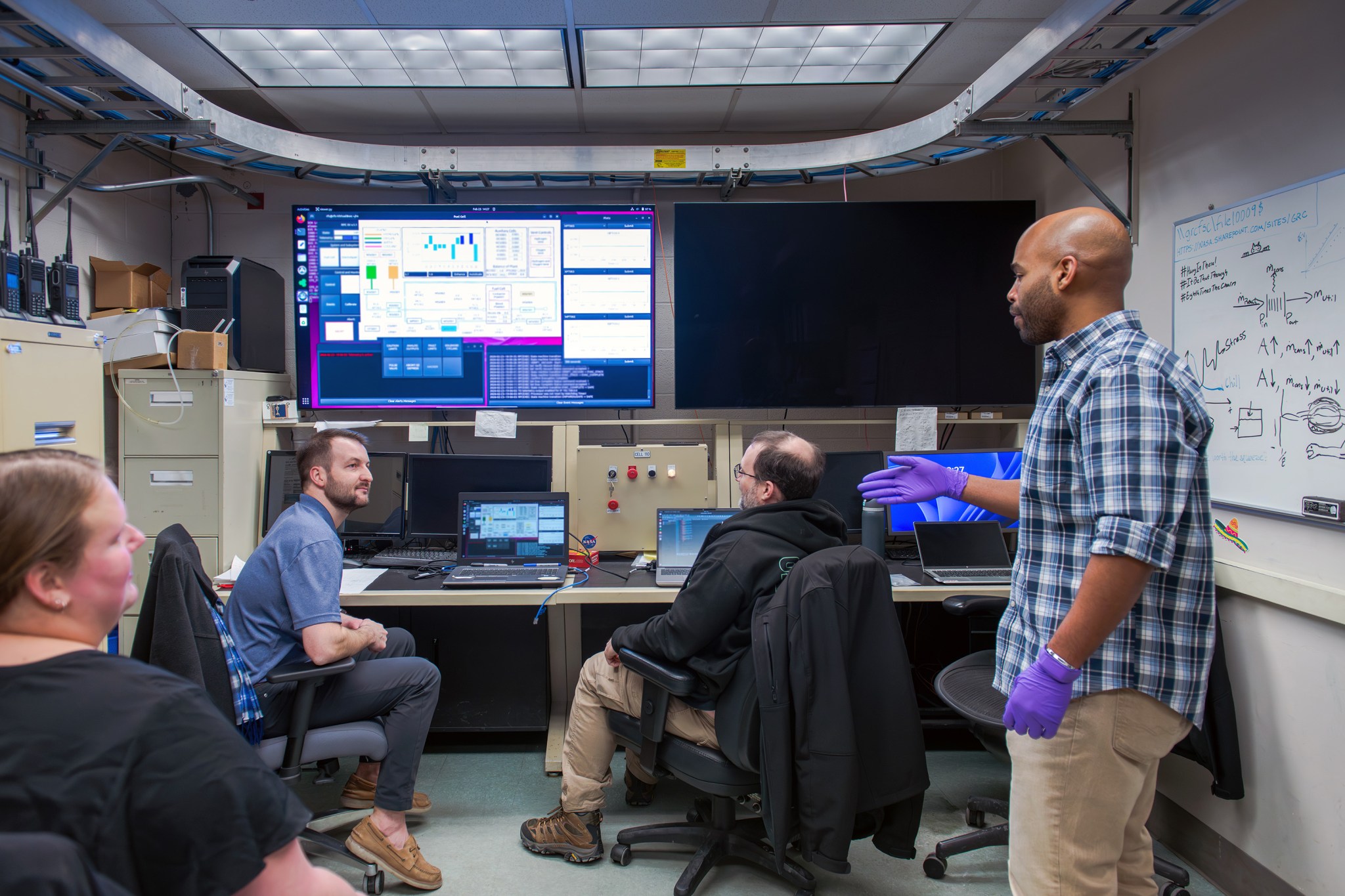
The engineering behind this system is no small feat. Storing hydrogen and oxygen safely on the Moon requires advanced materials and containment systems capable of withstanding extreme pressures and temperatures. Moreover, the system must operate autonomously with minimal maintenance—conditions that are far from the controlled environments of Earth-based labs. “We want to simulate being on the lunar surface and prove the system can work under much harsher conditions compared to a controlled laboratory environment,” explained the project lead. This means testing under vacuum conditions, radiation exposure, and thermal cycling that mirror the Moon’s unforgiving climate.
Artemis and the Quest for Lunar Sustainability
The Artemis program, NASA’s ambitious plan to establish a permanent human presence on the Moon by the end of the decade, hinges on solving the energy puzzle. While the first Artemis missions will rely on portable solar arrays and small nuclear reactors, long-term sustainability demands more flexible and scalable solutions. That’s where regenerative fuel cells come in. “It is an ideal technology for habitats, exploration with rovers, and many of the systems that are envisioned under Artemis,” said a senior NASA engineer. “Developing a sustainable, long-term human presence on the Moon requires power and energy storage solutions that fit those needs. Regenerative fuel cells fit into that puzzle perfectly.”
Imagine a lunar base where solar panels charge fuel cells during the day, storing energy for the 14-day night. Rovers could return to charging stations to refuel with hydrogen and oxygen, extending their range and mission duration. In emergencies, the system could provide backup power or even support life support systems by generating breathable oxygen and clean water. The potential applications are vast, from powering scientific instruments to enabling 3D printing of lunar construction materials using locally sourced regolith.
This vision of a self-sufficient Moon base isn’t science fiction—it’s a strategic goal that aligns with NASA’s broader ambitions for Mars and deep space exploration. The technologies developed for lunar fuel cells could one day be adapted for Martian colonies, where energy storage is even more critical due to dust storms that can block sunlight for weeks. In fact, NASA’s long-term roadmap sees the Moon as a proving ground for the systems that will carry humans to Mars and beyond.
Overcoming the Challenges of Lunar Energy Storage
Despite their promise, regenerative fuel cells face significant hurdles before they can be deployed on the Moon. One of the biggest challenges is efficiency. While modern fuel cells can achieve up to 60% efficiency in converting chemical energy to electricity, the round-trip efficiency—charging and discharging—drops to around 40–50%. That means for every 100 units of energy input, only 40–50 are recovered. Engineers are working to improve this through advanced catalysts, better thermal management, and optimized gas storage systems.
Another challenge is the weight and volume of the system. Every kilogram launched to the Moon costs thousands of dollars, so minimizing mass is critical. The current prototype is about the size of a small car, which is manageable for initial missions but may need to be scaled down for widespread use. Researchers are exploring lightweight composite materials and modular designs that can be assembled on the lunar surface using robotics.
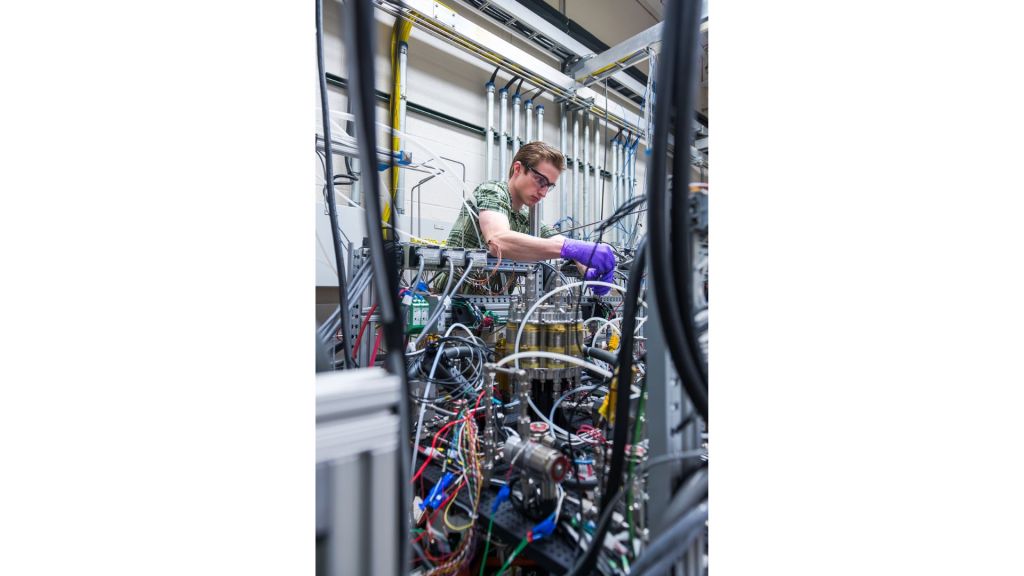
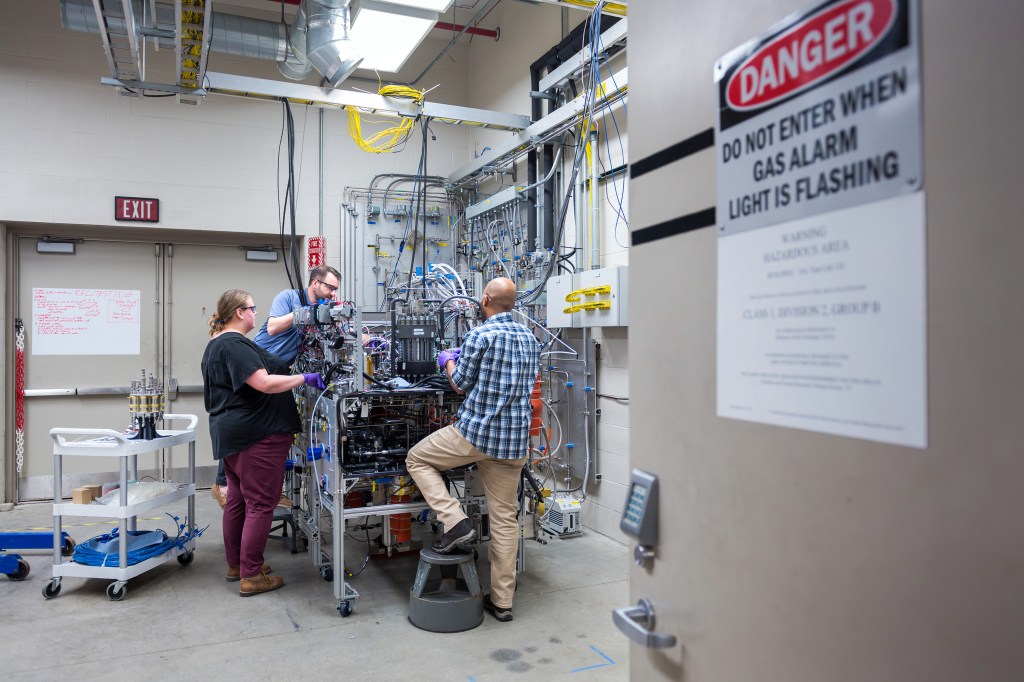
Then there’s the issue of reliability. On Earth, fuel cells are used in everything from cars to backup power systems, but the Moon presents a far more hostile environment. Micrometeorite impacts, abrasive lunar dust (regolith), and radiation can degrade components over time. NASA is conducting rigorous testing to ensure the system can survive these conditions, including thermal vacuum chambers that simulate the lunar night and dust exposure trials using simulated regolith.
A Collaborative Effort: NASA and Industry Join Forces
Creating a sustainable presence on the Moon is not a solo mission. “Creating a sustainable presence on the Moon is a team effort requiring a lot of collaboration between NASA and industry,” emphasized the project lead. The regenerative fuel cell program is a prime example of public-private partnership, with NASA working alongside aerospace companies, universities, and international partners to accelerate development.
Companies like Lockheed Martin, Northrop Grumman, and emerging space startups are contributing expertise in materials science, power systems, and autonomous operations. Meanwhile, research institutions are advancing the science behind electrolysis and gas storage. This collaborative model not only speeds up innovation but also ensures that the technology is robust, scalable, and cost-effective.
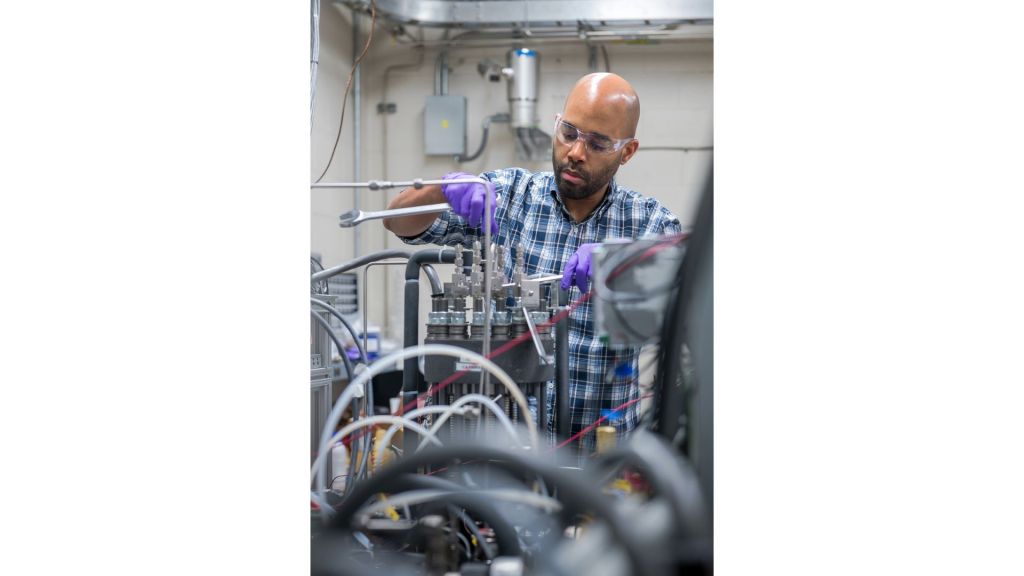
International cooperation is also playing a key role. The European Space Agency (ESA) and the Japan Aerospace Exploration Agency (JAXA) are exploring similar energy storage concepts, and data sharing between agencies could lead to faster breakthroughs. The Artemis Accords, a set of principles guiding lunar exploration, encourage such collaboration, emphasizing peaceful, sustainable, and transparent operations.
A single lunar day lasts approximately 29.5 Earth days, with 14.75 days of continuous sunlight followed by 14.75 days of darkness.
NASA’s Artemis III mission, planned for 2026, will land the first woman and next man on the Moon’s South Pole—a region rich in water ice.
Water ice in permanently shadowed craters could be mined and used as a source of hydrogen and oxygen for fuel cells.
The first regenerative fuel cell system is expected to be tested on the Moon by the late 2020s.
The Future: From Moon to Mars and Beyond
As NASA’s regenerative fuel cell system moves closer to lunar deployment, its implications extend far beyond the Moon. The technology represents a paradigm shift in how we think about energy in space—not as a one-way supply chain, but as a closed, sustainable loop. This approach could be adapted for Mars, where dust storms can last for months and solar power is unreliable. It could also support deep space missions, asteroid mining operations, or even future space stations in orbit around other planets.
Moreover, the innovations developed for lunar fuel cells could benefit life on Earth. Advances in hydrogen storage, water purification, and renewable energy integration have direct applications in terrestrial clean energy systems. For example, regenerative fuel cells could one day provide grid-scale energy storage for solar and wind farms, helping to stabilize power supplies during peak demand or outages.
The journey to a sustainable lunar presence is just beginning, but the progress made so far is a testament to human ingenuity and collaboration. With each test, each data point, and each partnership forged, NASA and its allies are laying the foundation for a new era of exploration—one where energy is not a limitation, but a catalyst for discovery.
As the team prepares to store hydrogen and oxygen for the first time in their complete system, the excitement is palpable. “Every day is exciting,” said the project lead. “We’re not just building a machine—we’re building the future.” And on that future, the Moon may one day shine not just as a celestial body, but as a beacon of sustainable human achievement.
This article was curated from NASA Fuel Cell Tests Pave Way for Energy Storage on Moon via NASA Breaking News