Table of Contents
- The Prancing Horse Goes Electric: Ferrari’s Luce Breaks All the Rules
- A Bold Departure from Tradition
- LoveFrom: The Apple Aesthetic Meets Italian Passion
- The Silent Beast: Performance Without the Roar
- The Interior: A Sanctuary of Innovation
- Why the Luce Matters: More Than Just a Car
- The Purist Backlash—And Why It’s Misguided
- The Road Ahead: What the Luce Means for the Future
The Prancing Horse Goes Electric: Ferrari’s Luce Breaks All the Rules
In a quiet corner of Rome, beneath the golden light of a Mediterranean afternoon, a revolution was unveiled—not in politics or art, but in automotive engineering. Ferrari, the Italian marque synonymous with roaring V12s, hand-built supercars, and a legacy forged in the crucible of Formula 1, has taken its most audacious leap yet: the Luce, its first fully electric vehicle, and its first four-door sedan in over 80 years of history. The name “Luce” means “light” in Italian—a fitting metaphor for a car that signals a new dawn for a brand long defined by combustion and combustion alone.
But this isn’t just another electric car. It’s a cultural earthquake wrapped in carbon fiber and silent torque. The Luce represents a tectonic shift in Ferrari’s identity—a brand that once dismissed electrification as “not in the DNA” now embracing it with open arms. And while the car’s exterior may spark debate among purists, its interior is nothing short of a technological and aesthetic masterpiece. This is Ferrari reimagined for the 2026 era: a blend of heritage, innovation, and quiet disruption.
A Bold Departure from Tradition
For decades, Ferrari’s design language has been unmistakable: low-slung coupes, mid-engine layouts, and a focus on two-seater performance machines. The idea of a five-seater, four-door Ferrari was once unthinkable—akin to a symphony orchestra playing heavy metal. Yet, the Luce dares to exist. It’s not just a sedan; it’s a statement. In a world where emissions regulations tighten and markets like China and California demand zero-tailpipe vehicles, Ferrari had little choice but to evolve.
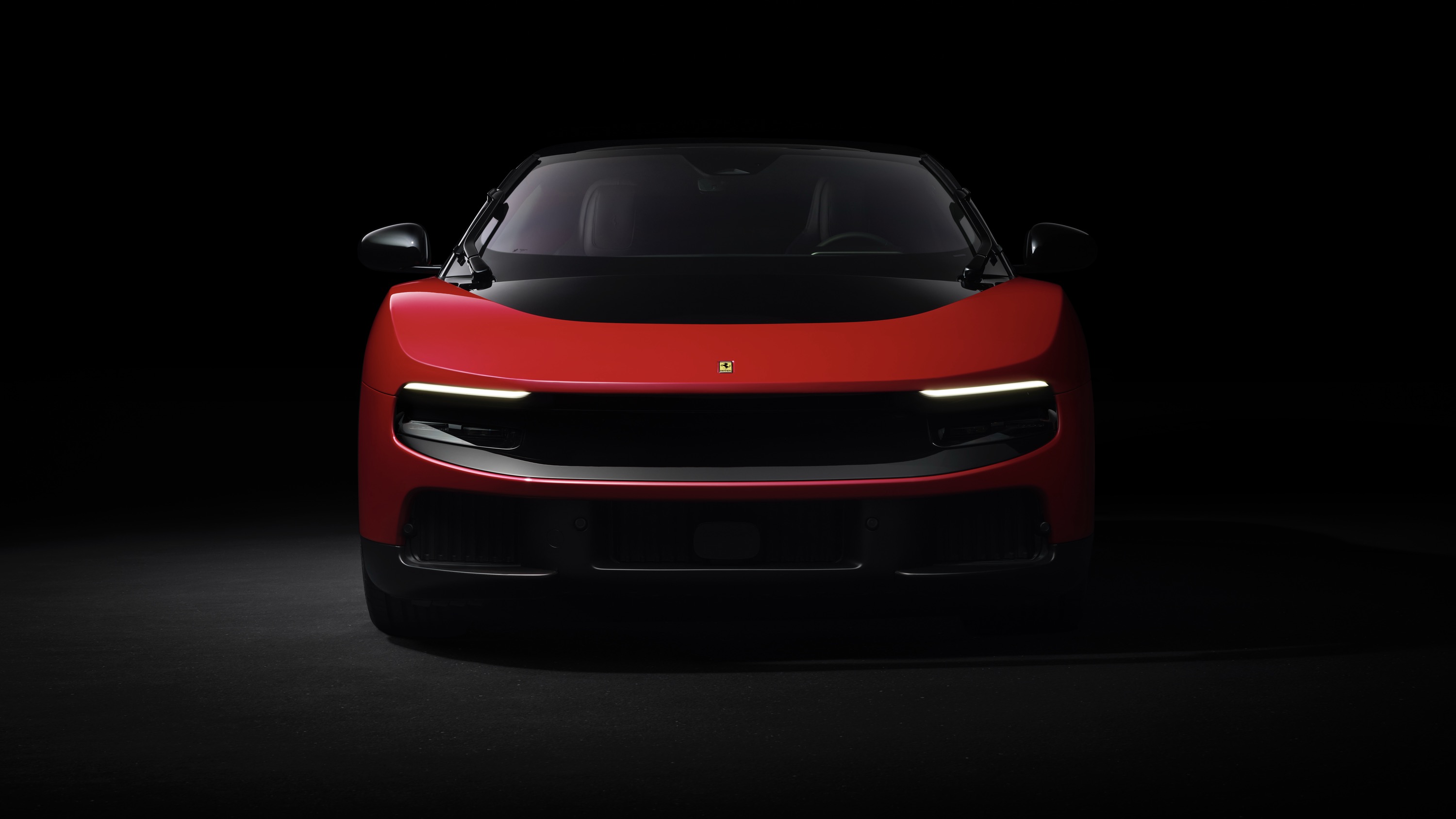
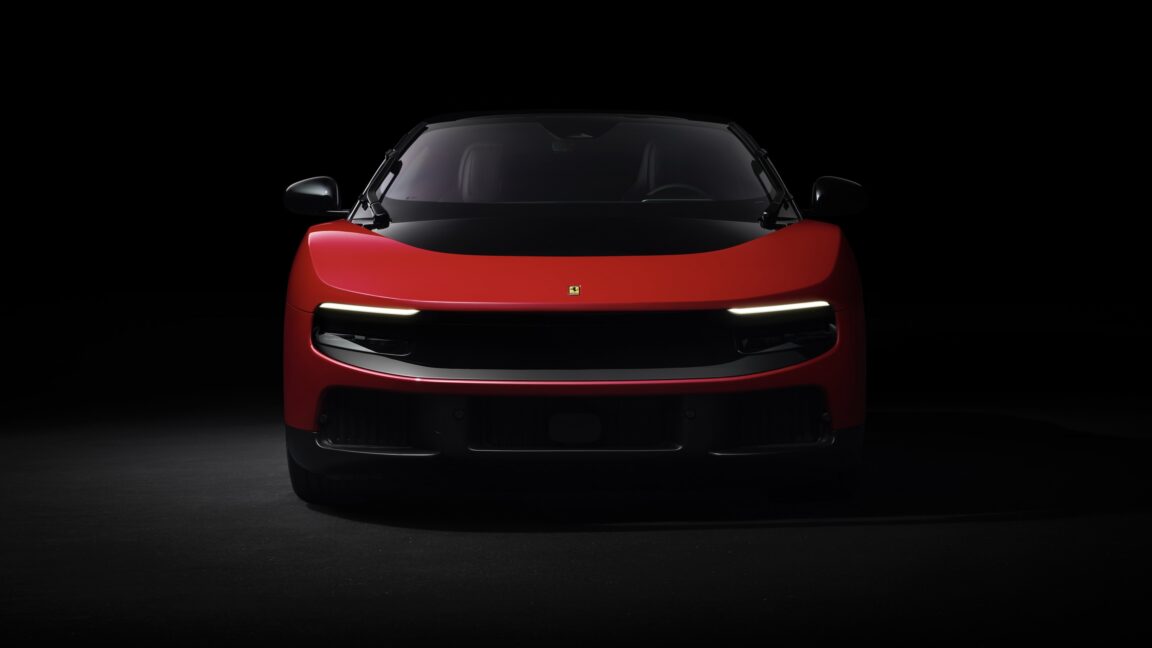
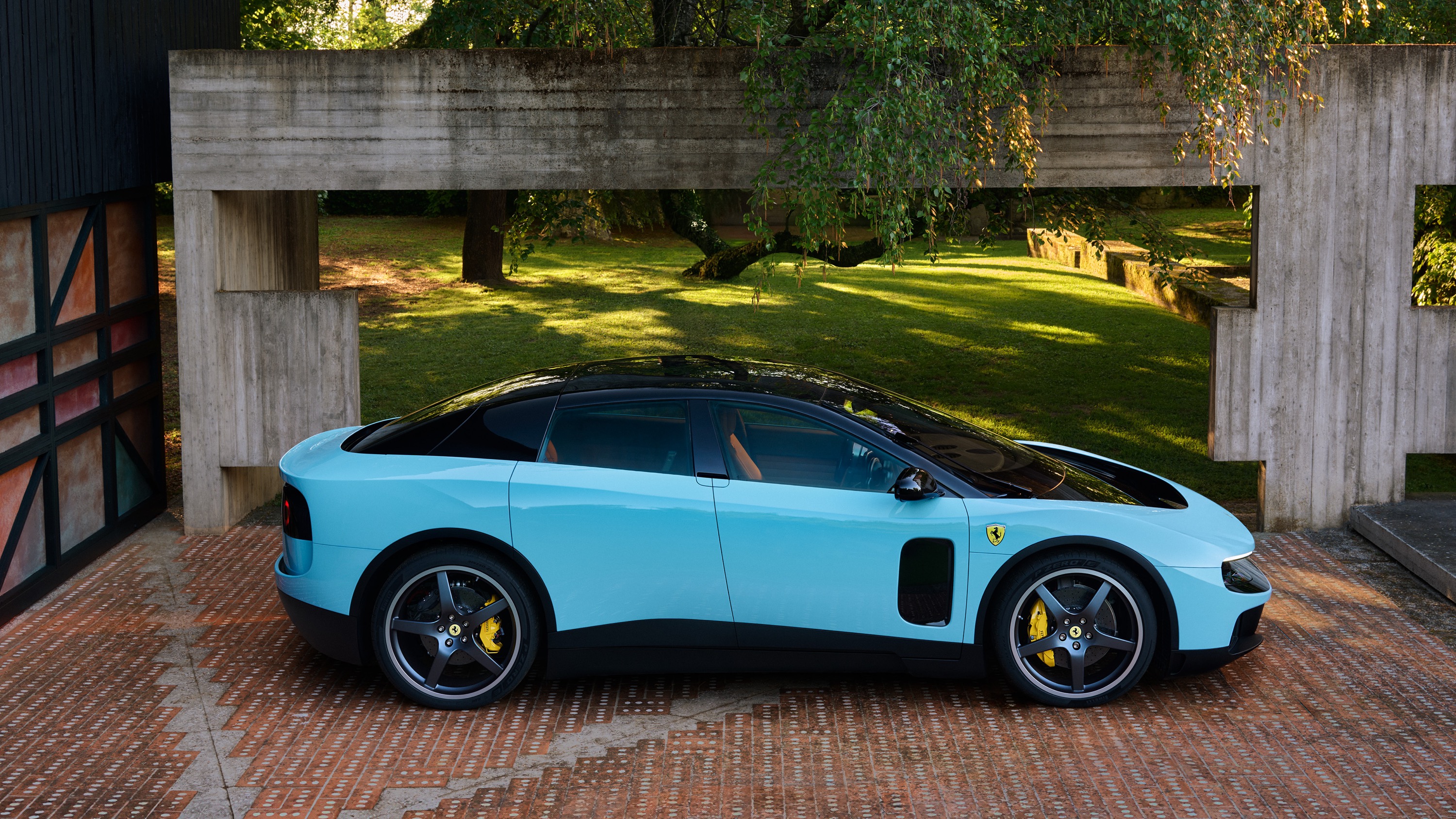
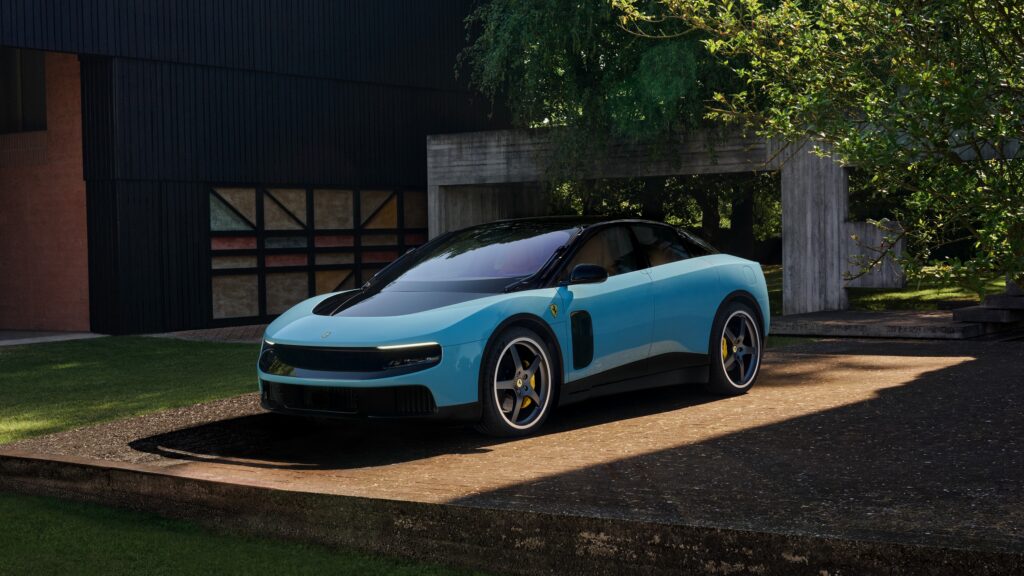
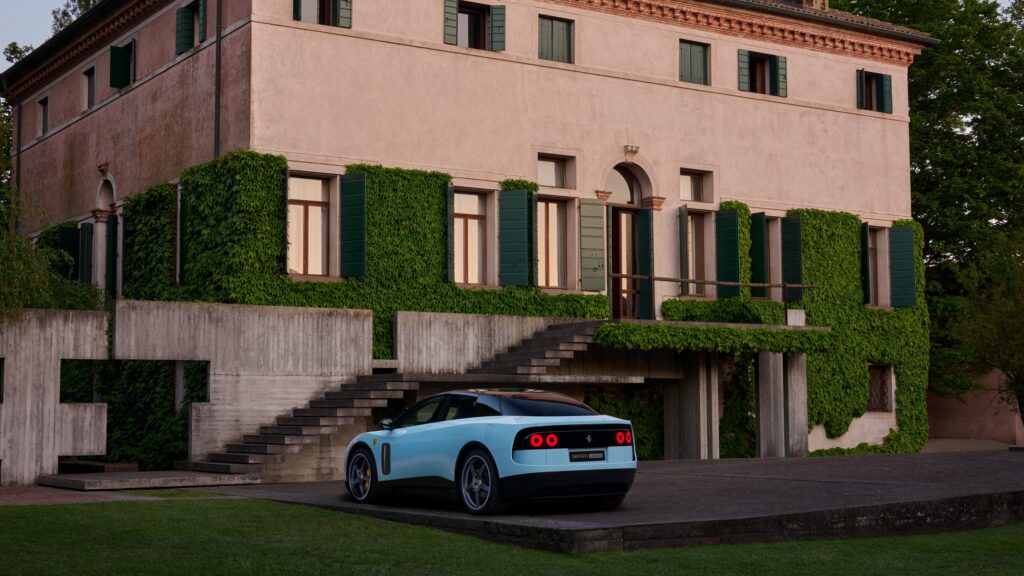
The Luce’s exterior is where controversy begins. Its cab-forward design—reminiscent of the Lotus Etna concept from the 1970s—pushes the passenger compartment forward, creating a dramatic, almost futuristic silhouette. The long hood, a Ferrari hallmark, is still present, but it’s now housing a complex array of batteries and cooling systems rather than a screaming V8 or V12. The front grille is minimalist, almost absent, replaced by sculpted air intakes and LED lighting strips that glow like molten lava. And yes, those four round tail lights—nod to the 360 Modena and 550 Maranello—are a deliberate wink to the past, even as the car hurtles into the future.
LoveFrom: The Apple Aesthetic Meets Italian Passion
What makes the Luce’s design even more intriguing is the team behind it: LoveFrom, the creative studio co-founded by Jony Ive, the legendary former chief design officer of Apple. Ive, known for his minimalist, user-centric approach to product design, has brought a distinctly Apple-like sensibility to the Luce. The clean lines, the seamless integration of technology, the absence of visual clutter—these are hallmarks of the Apple playbook, now applied to a 200-mile-per-hour electric sedan.
Critics have noted that the Luce looks less like a Ferrari and more like an Apple car that never was. The flush door handles, the absence of traditional switches, the floating center console—all echo the ethos of “less is more” that defined the iPhone and MacBook. But Ferrari didn’t just outsource the design; they collaborated. The result is a fusion of Italian flair and Silicon Valley precision. The Luce isn’t trying to be an Apple car—it’s trying to be the future of luxury mobility, and it’s doing so with a design language that feels both familiar and revolutionary.
The Silent Beast: Performance Without the Roar
Let’s address the elephant in the room: an electric Ferrari? Really? For purists, the absence of a mechanical symphony is sacrilege. But Ferrari has never been just about noise—it’s about emotion, precision, and performance. And the Luce delivers on all three, just in a different way.
Underneath its sleek body lies a tri-motor electric powertrain producing over 1,200 horsepower and 1,300 Nm of torque, enabling a 0–60 mph time of under 2.5 seconds. That’s faster than the LaFerrari, Ferrari’s hybrid hypercar from 2013. The top speed is electronically limited to 200 mph, but the real magic is in the delivery: instant torque, seamless acceleration, and a driving experience that’s both exhilarating and eerily quiet.
But Ferrari didn’t stop at raw power. The Luce features a 900-volt architecture, allowing for ultra-fast charging—10% to 80% in just 12 minutes on a compatible charger. The battery pack, mounted low in the chassis, gives the car a near-perfect 48:52 front-rear weight distribution, enhancing handling and stability. And yes, there’s a sound system—but not for engine noise. Instead, it generates a futuristic, adaptive soundscape that evolves with speed and driving mode, blending artificial harmonics with real-world feedback.
The Interior: A Sanctuary of Innovation
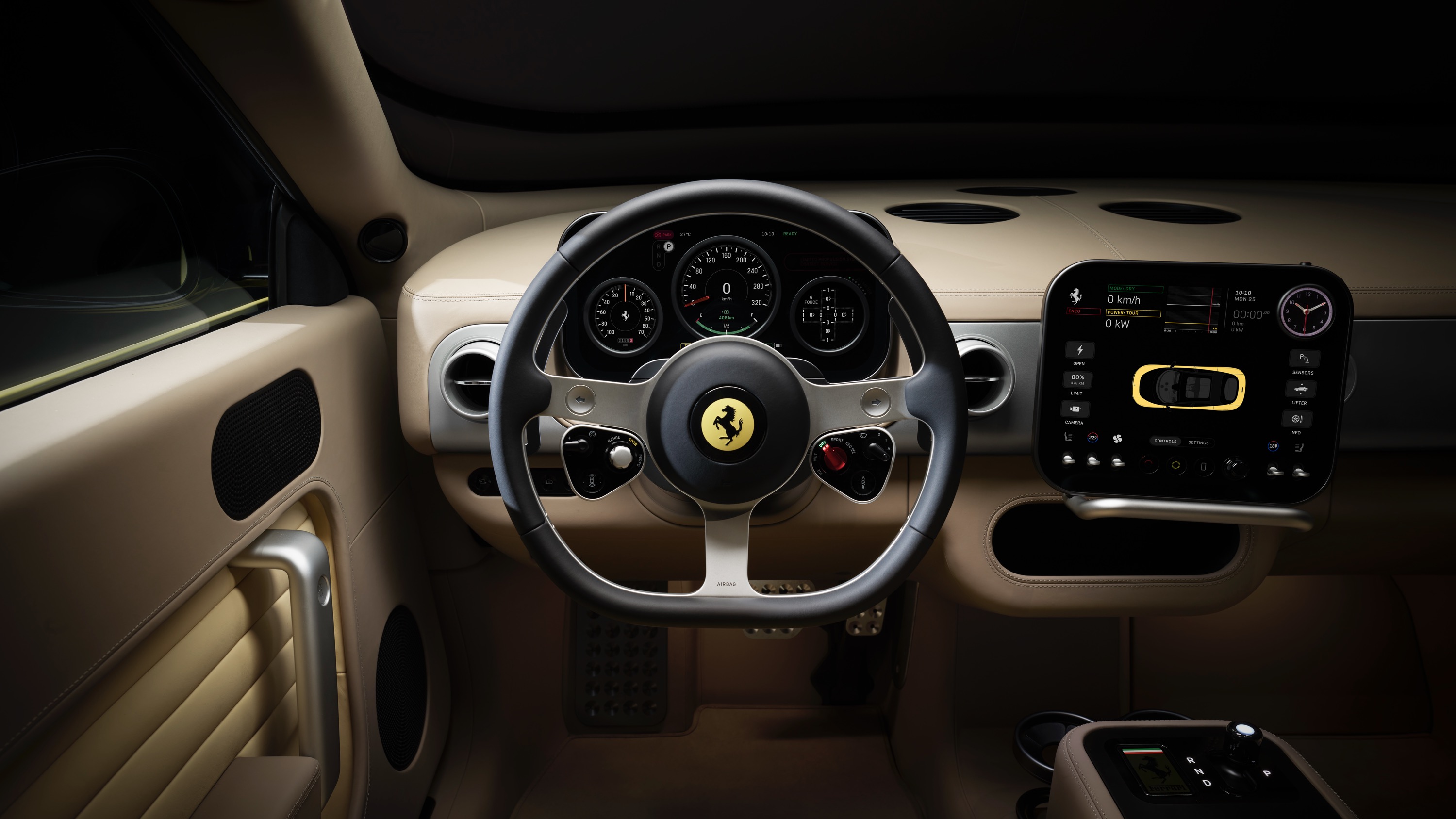
If the exterior is controversial, the interior is where Ferrari truly shines. Step inside the Luce, and you’re greeted by a cabin that feels more like a luxury lounge than a car. The dashboard is a sweeping arc of sustainable materials—recycled aluminum, vegan leather, and bio-based polymers—crafted with the precision of a Swiss watch. The centerpiece is a 48-inch curved OLED display that spans the entire width of the cockpit, seamlessly integrating navigation, entertainment, and vehicle controls.
But the real innovation is in the user experience. The Luce uses AI-driven personalization to adapt to each driver. It learns your preferences—seat position, climate settings, favorite routes—and adjusts automatically. Voice control is powered by a Ferrari-specific AI assistant that understands natural language and can even engage in light conversation. Want to know the history of the Fiorano Circuit? Just ask.
The rear seats are equally impressive. With best-in-class legroom and optional massage and climate control, the Luce redefines what a Ferrari interior can be. It’s not just a driver’s car—it’s a family car, a business car, a statement car. And for the first time, Ferrari owners can enjoy the brand’s prestige without sacrificing practicality.
Why the Luce Matters: More Than Just a Car
The Luce isn’t just a vehicle; it’s a strategic masterstroke. In 2026, the automotive landscape is shifting rapidly. China, the world’s largest EV market, now accounts for over 60% of global electric vehicle sales. Silicon Valley, long a hub of innovation, is pushing for zero-emission transportation. And regulators in Europe and the U.S. are tightening emissions standards, with some cities planning to ban internal combustion engines entirely by 2035.
Ferrari, a company that once sold fewer than 10,000 cars a year, is now preparing for a future where exclusivity meets sustainability. The Luce allows Ferrari to enter new markets, attract younger, tech-savvy buyers, and remain relevant in an era of climate consciousness. It’s not about replacing the 812 Superfast or the SF90 Stradale—it’s about expanding the brand’s universe.
The Purist Backlash—And Why It’s Misguided
Of course, not everyone is celebrating. Traditionalists argue that an electric, five-seater Ferrari betrays the brand’s soul. They mourn the loss of the engine’s roar, the mechanical connection between driver and machine, the raw, analog experience that defined Ferrari for generations.
But this backlash misunderstands Ferrari’s evolution. The brand has always adapted. From front-engine V12s to mid-engine V8s, from manual transmissions to dual-clutch automatics, Ferrari has embraced change when necessary. The Luce is simply the next step. It’s not abandoning performance—it’s redefining it. And it’s not abandoning heritage—it’s honoring it by ensuring Ferrari survives in a changing world.
It produces over 1,200 hp and accelerates 0–60 mph in under 2.5 seconds.
Designed in collaboration with Jony Ive’s LoveFrom studio.
Features a 48-inch curved OLED display and AI personalization.
Charges from 10% to 80% in just 12 minutes.
Built on a 900-volt architecture for maximum efficiency.
Interior uses sustainable materials and advanced air filtration.
Targets key markets like China and Silicon Valley.
The Road Ahead: What the Luce Means for the Future
The Luce is more than a car—it’s a declaration of intent. It signals that Ferrari is not just surviving the electric transition; it’s leading it. With plans for a fully electric lineup by 2030, the Italian giant is positioning itself as a pioneer in high-performance EVs, not a follower.
And the Luce is just the beginning. Future models may include electric hypercars, hybrid SUVs, and even autonomous driving features—all while maintaining the soul of the prancing horse. The challenge will be balancing innovation with tradition, technology with emotion.
But if the Luce is any indication, Ferrari is ready. It’s embracing light—not just in name, but in vision. And in doing so, it’s ensuring that the roar of the past gives way to the whisper of the future.
This article was curated from Amazing interior, controversial exterior: Ferrari's first electric car via Ars Technica