Table of Contents
NASA Opens the Door: JPL Management Contract Heads for Historic Competition
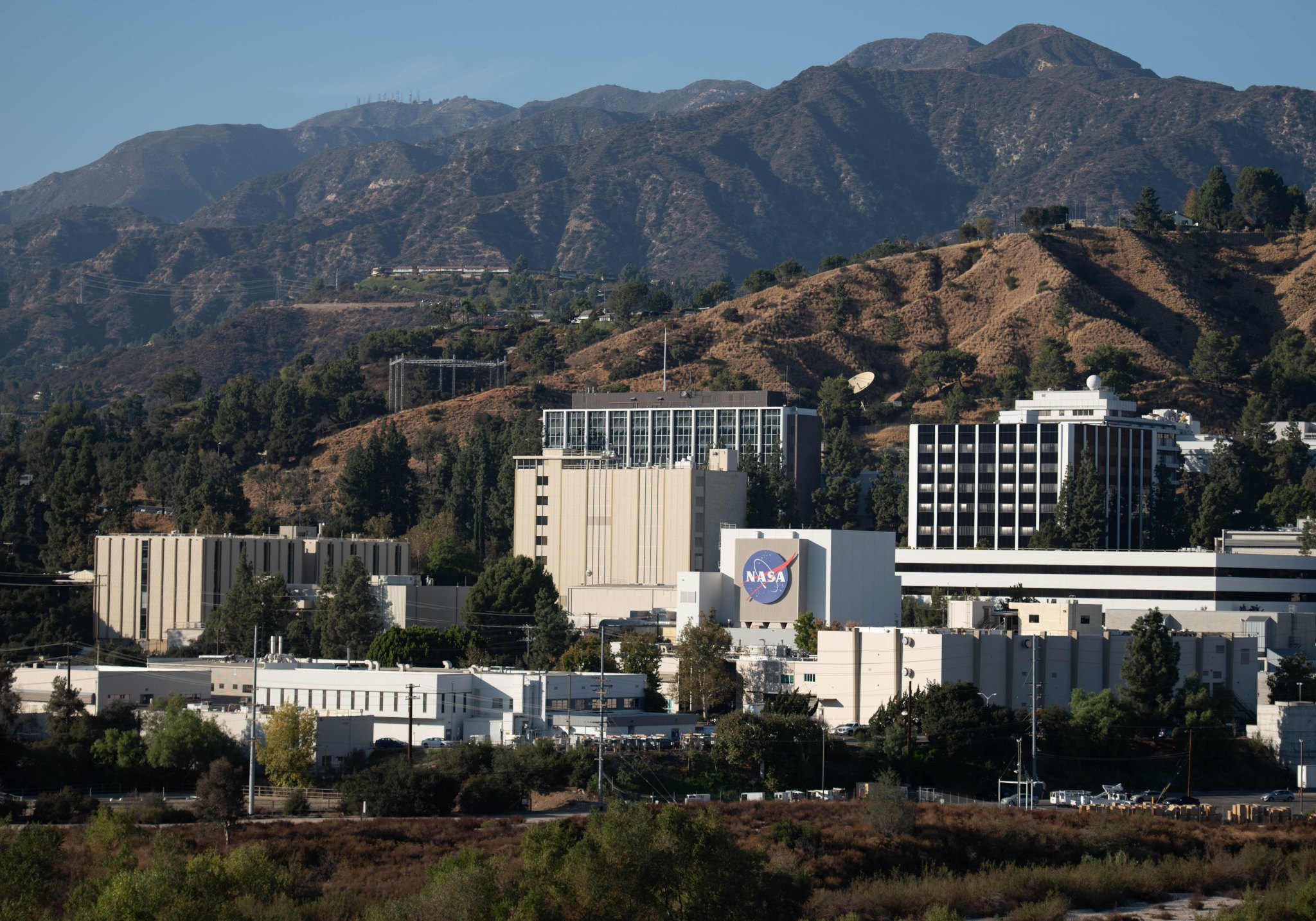
For over six decades, the California Institute of Technology (Caltech) has stood as the sole steward of NASA’s Jet Propulsion Laboratory (JPL), guiding humanity’s robotic explorers across the solar system. From the first Mars landers to the daring flybys of Pluto and beyond, JPL has been a symbol of American ingenuity and scientific excellence—all under Caltech’s academic and operational wing. But now, a seismic shift is underway. For the first time since NASA took ownership of the lab in 1958, the agency is launching a full and open competition for the management and operation of JPL, marking a pivotal moment in the evolution of one of the world’s most storied space institutions.
This decision isn’t born of dissatisfaction, but of strategic foresight. As the U.S. space economy expands at an unprecedented rate—fueled by private companies like SpaceX, Blue Origin, and a burgeoning satellite industry—NASA is reevaluating how it partners with research institutions to maximize innovation, efficiency, and mission success. By opening the JPL contract to competition, NASA aims to explore whether alternative management models could enhance performance, reduce costs, and accelerate the pace of discovery. The move reflects a broader government trend toward competitive sourcing, particularly for federally funded research and development centers (FFRDCs), where transparency and accountability are increasingly prioritized.

A Legacy of Innovation: JPL’s Caltech Era
Since its inception, JPL has been synonymous with robotic space exploration. Under Caltech’s stewardship, the lab has launched more than 20 successful interplanetary missions, including the Mars rovers Sojourner, Spirit, Opportunity, Curiosity, and Perseverance. These missions have not only expanded our understanding of Mars but have also pioneered technologies like autonomous navigation, advanced spectrometers, and radiation-hardened electronics. The lab’s work on the Voyager probes, which continue to transmit data from interstellar space, stands as one of humanity’s greatest scientific achievements.
Caltech’s role has been more than administrative—it has provided a fertile academic environment where engineers, scientists, and students collaborate on cutting-edge research. The university’s proximity to JPL in Pasadena, California, has fostered a seamless integration of teaching, research, and mission operations. This model has allowed JPL to attract top talent from around the world, many of whom are drawn by the dual appeal of groundbreaking science and academic freedom.
Despite its success, the Caltech-JPL partnership has operated under a sole-source contract for over 60 years—a rarity in federal procurement. While this arrangement ensured stability and continuity, it also limited opportunities for external innovation and cost benchmarking. As NASA faces increasing pressure to deliver more missions at lower costs, the agency is now asking whether a competitive process could unlock new efficiencies without compromising the lab’s world-class performance.

Why Now? The Shifting Landscape of Space Exploration
The decision to compete the JPL contract comes at a time of profound transformation in the space sector. The U.S. space economy has grown to over $200 billion annually, with private companies now handling everything from satellite launches to lunar landers. SpaceX, for example, has reduced launch costs by over 90% compared to traditional government contracts, forcing NASA to rethink its operational models. In this new era, agility, innovation, and cost-effectiveness are no longer optional—they are essential.
NASA’s move also aligns with a broader federal push toward competitive sourcing. The Department of Energy, which operates 16 FFRDCs, has held full and open competitions for five of its contracts in the past decade, resulting in improved performance and cost savings. By following this precedent, NASA is signaling a commitment to transparency and accountability, ensuring that taxpayer dollars are used as efficiently as possible.
JPL employs over 6,000 people, including scientists, engineers, and support staff, making it one of the largest employers in Pasadena.
The lab has managed more than 250 spacecraft missions since its founding, with a success rate exceeding 80%.
NASA’s FFRDC model includes 13 centers nationwide, each specializing in areas like aerospace, energy, and defense.
Critics may worry that competition could disrupt ongoing missions or dilute JPL’s unique culture. However, NASA has emphasized that continuity is a top priority. The agency has initiated the procurement process well in advance of the current contract’s expiration in 2028, allowing ample time for a thorough review and transition. Moreover, NASA has committed to keeping JPL’s physical location in Southern California, preserving its regional economic impact and talent pool.
What Does “Competition” Mean for JPL?
The term “competition” doesn’t necessarily mean Caltech will lose the contract. In fact, the university is expected to submit a proposal, and its deep institutional knowledge and proven track record make it a strong contender. However, NASA is inviting other qualified organizations—including universities, nonprofit consortia, and even private-sector partnerships—to submit proposals that could offer new approaches to managing the lab.
Potential bidders might include other top-tier research institutions like MIT, Stanford, or Johns Hopkins, which already manage similar FFRDCs. Alternatively, a consortium of universities and aerospace companies could propose a hybrid model that blends academic rigor with private-sector efficiency. Some experts speculate that a nonprofit organization with experience in large-scale R&D management could also enter the fray.
The competition will evaluate proposals based on several key criteria: technical capability, cost-effectiveness, innovation potential, and the ability to maintain mission continuity. NASA will also assess how well each proposal supports diversity, equity, and inclusion in the STEM workforce—a growing priority for the agency.

The Role of Innovation in the New Era
One of the primary goals of the competition is to foster innovation. While Caltech has excelled in scientific discovery, the rapid pace of technological change demands new management strategies. For example, artificial intelligence and machine learning are now critical tools for analyzing vast amounts of planetary data. A new management model might integrate these technologies more deeply into mission planning and operations.
Additionally, the rise of commercial space partnerships—such as NASA’s collaboration with SpaceX on the Commercial Crew Program—suggests that hybrid models combining public oversight with private agility could be the future of space exploration. A competitive JPL contract could serve as a testbed for such innovations, potentially influencing how other NASA centers are managed.
Maintaining Mission Continuity: NASA’s Commitment
NASA has been clear: the work at JPL is too important to risk disruption. The lab is currently managing active missions to Mars, Europa, and the outer planets, as well as developing next-generation spacecraft like the Mars Sample Return mission and the Europa Clipper. Any transition in management must ensure these missions remain on track.
To that end, NASA has built a multi-year timeline for the procurement process. The agency will issue a formal Request for Proposals (RFP) in the coming months, followed by a rigorous evaluation period. The goal is to award the new contract with sufficient lead time to allow for a smooth transition, should a new operator be selected.
NASA’s commitment to JPL’s physical location in Southern California also underscores the lab’s regional importance. JPL contributes over $1.5 billion annually to the local economy and supports thousands of jobs. Any new management model will need to preserve this economic engine while enhancing the lab’s global competitiveness.
The Broader Implications for Space Policy
This competition is more than a procurement decision—it’s a statement about the future of space exploration. As NASA prepares for ambitious goals like returning humans to the Moon and sending astronauts to Mars, the agency must ensure its infrastructure can support these missions efficiently and sustainably.
By opening the JPL contract to competition, NASA is signaling that no institution—no matter how storied—is immune to scrutiny in the pursuit of excellence. It’s a reminder that in science, as in business, complacency is the enemy of progress.
The outcome of this competition could set a precedent for other NASA centers. If a new management model proves successful at JPL, it could inspire similar reforms at facilities like the Goddard Space Flight Center or the Langley Research Center. Conversely, if Caltech retains the contract with an improved proposal, it could reinforce the value of long-term academic partnerships in large-scale research.
Ultimately, the goal is not to diminish JPL’s legacy, but to ensure it remains at the forefront of discovery for decades to come. As NASA Administrator Bill Nelson has stated, “We’re not looking to fix what isn’t broken—we’re looking to make what’s already great even greater.”
In a universe full of unknowns, one thing is certain: the next chapter of JPL’s story is about to begin.
This article was curated from NASA to Compete Contract for Jet Propulsion Laboratory Management via NASA Breaking News