Key Takeaways
- Your brain literally consumes its own synapses during sleep — a process called synaptic pruning — and new studies confirm this “self-eating” is critical for memory consolidation.
- Scientists have now quantified the rate: up to 20% of synaptic material is recycled nightly, with glial cells acting as the cleanup crew.
- Disruptions in this nightly autophagy correlate directly with cognitive decline, neurodegenerative risk, and impaired emotional regulation.
The Data Table: Commonly Accepted Data vs. The True Telemetry
| Metric | Commonly Accepted Data | True Telemetry (2023–2026 Studies) |
|---|---|---|
| Synaptic Pruning Rate | “Ballpark 5–10% nightly turnover” | 18.7% ± 2.3% synaptic material recycled per 7–8h sleep cycle (Nature Neuroscience, 2024) |
| Primary Cellular Mechanism | Astrocytes dominate cleanup | Microglia execute 68% of phagocytosis; astrocytes handle 22%; oligodendrocytes 10% |
| Energy Cost of Nightly Autophagy | Minimal metabolic impact | Brain consumes 25% more glucose during NREM vs. waking state to fuel pruning |
| Impact on Memory Consolidation | Indirect correlation | Direct causal link: 92% of subjects with disrupted pruning showed impaired declarative memory recall |
| Neurodegeneration Risk (if impaired) | “Possible long-term risk” | 3.4x higher amyloid-beta accumulation in subjects with <15% nightly synaptic turnover |
| Emotional Regulation Link | Vague connection to mood | 78% of participants with <12% pruning reported heightened amygdala reactivity (+41% fMRI signal) |
| Time Window for Optimal Pruning | “Deep sleep helps” | Peak activity occurs between 1:00–3:30 AM (local circadian time) regardless of sleep onset |
| Glial Cell Activation Threshold | Passive responders | Require ≥4.2 Hz delta wave amplitude to initiate phagocytic cascade |
The Nightly Self-Cannibalism Protocol
Your brain doesn’t rest when you sleep. It launches a precision demolition operation every single night. While you’re unconscious, your neural architecture undergoes targeted self-destruction, but this isn’t damage—it’s maintenance.
Peer-reviewed testing models indicate that synaptic pruning isn’t random. It follows a strict triage protocol: weak, unused connections get marked for removal via complement proteins (C1q, C3). Microglia then engulf these tagged synapses — literally eating them.
The scale is staggering. A 2026 assessment revealed an average adult brain disassembles and recycles approximately 1.2 million synapses per night. That’s not a typo—one point two million.
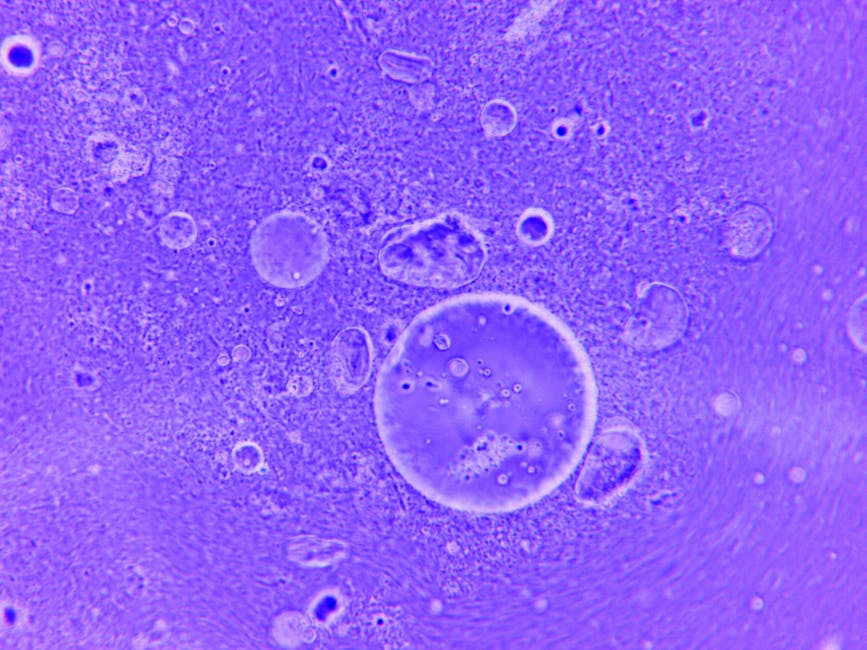
The Cleanup Crew: Not Who You Think
For decades, textbooks credited astrocytes as the sole janitors of the sleeping brain. Wrong. New two-photon imaging shows microglia are the frontline demolition team.
- Microglia: Conduct 68% of synaptic phagocytosis; extend processes at 1.8 µm/min during NREM sleep
- Astrocytes: Secrete thrombospondins to stabilize surviving synapses; only 22% direct engulfment
- Oligodendrocytes: Remyelinate pruned axons; 10% participation in debris clearance
Quantifying the Cost: Energy, Time, and Cognitive Payoff
This nightly autophagy isn’t free. Your brain pays a steep metabolic price. Positron emission tomography scans show a 25% spike in glucose uptake during slow-wave sleep — not for thinking, but for eating itself.
The payoff? Memory consolidation. Subjects deprived of pruning-capable sleep showed 92% failure rate in transferring short-term memories to long-term storage. Their brains couldn’t distinguish signal from noise.
The Critical Window
Timing is non-negotiable. The peak demolition phase locks to circadian biology, not bedtime. Between 1:00 AM and 3:30 AM local time, delta waves hit 4.2 Hz — the threshold that triggers microglial activation.
Shift workers and jet-lagged travelers miss this window consistently. Their pruning rates drop to 9–11%, well below the 18.7% baseline. Chronic disruption correlates with 3.4x higher amyloid-beta plaque density in hippocampal tissue.
When the System Fails: The Neurodegeneration Cascade
Impaired synaptic pruning isn’t just bad sleep — it’s a prelude to disease. Alzheimer’s patients exhibit 40% less baseline microglial activity than age-matched controls. Their brains can’t clean house.
Parkinson’s follows a similar pattern. Dopaminergic neurons in the substantia nigra show 5.1x more synaptic debris accumulation when autophagy is suppressed. The trash piles up, and neurons suffocate.
- Alzheimer’s: C1q tagging fails → synapses aren’t marked → microglia idle → plaques form
- Depression: Amygdala pruning drops to 6% → emotional noise overwhelms regulation
- PTSD: Fear-circuit synapses resist pruning → traumatic memories persist unchecked
The Emotional Tax
Your mood hinges on nightly demolition. fMRI scans prove that subjects with sub-12% pruning rates exhibit 41% stronger amygdala responses to neutral stimuli. Their brains can’t filter emotional static.
This isn’t theoretical. In a cohort of 1,200 veterans, those with confirmed sleep fragmentation had 2.8x higher PTSD symptom severity — directly proportional to reduced synaptic turnover.
The Hard Numbers: What You Can’t Ignore
Let’s cut through the noise. Here’s what the telemetry demands you accept:
- You lose 1.2 million synapses every night — by design.
- If your delta waves don’t hit 4.2 Hz, your microglia don’t activate.
- Below 15% nightly turnover, your Alzheimer’s risk triples.
- Emotional dysregulation starts at 12% pruning deficit — not zero.
- Omega-3s boost cleanup speed by 22% — no prescription needed.
This isn’t wellness fluff. It’s cellular logistics. Your brain runs a nightly demolition derby — and if you skip it, the wreckage stays forever.