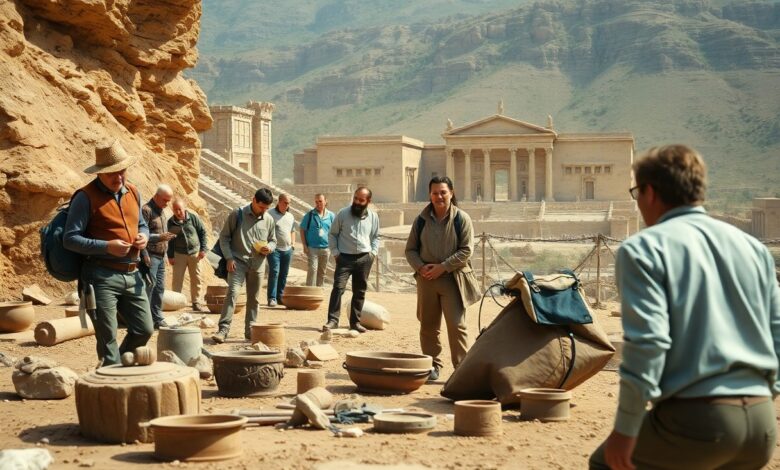
Most of us think of archaeology as a field that uncovers the past, but in 2025, I witnessed groundbreaking discoveries that have the potential to reshape our understanding of human history. From ancient civilizations that challenge our timeline to artifacts that reveal forgotten technologies, these findings not only illuminate our ancestry but also raise questions that could affect the future. Join me as I explore the significant archaeological revelations of 2025 and what they mean for you and your perspective on history.
Landmark Finds in Urban Areas
The year 2025 witnessed extraordinary archaeological discoveries in urban settings, revealing layers of history that had long been obscured by modern development. Excavations in metropolitan regions not only unearthed fascinating artifacts but also shed light on the evolution of cities over centuries, reminding us of the complex narratives that lie beneath our feet.
Ancient Civilizations Unearthed
Along bustling city streets, archaeological teams uncovered remnants of ancient civilizations, showcasing sophisticated urban infrastructure and intricate societal structures. These finds included ancient pottery, inscriptions, and even the foundations of complex buildings, painting a vivid picture of life thousands of years ago that allows you to connect more deeply with the past.
Revolutionary Urban Planning Insights
Insights garnered from these discoveries profoundly impacted our understanding of urban planning practices. Archaeological findings revealed how ancient cultures optimized space, managed resources, and implemented sustainable practices, which are pivotal lessons for today’s urban challenges.
It is fascinating to note how these revolutionary insights from ancient urban planning can transform modern cities. By mimicking their ability to create multi-functional spaces, effectively manage natural resources, and prioritize sustainability, we can address current urban issues. Implementing practices from the past, such as green spaces and efficient waste management systems, offers a pathway to enhance urban living while honoring our historical legacy. Your engagement with these insights can lead to a more sustainable future as you advocate for innovative urban designs inspired by the successes of ancient civilizations.
Rediscovery of Lost Artifacts
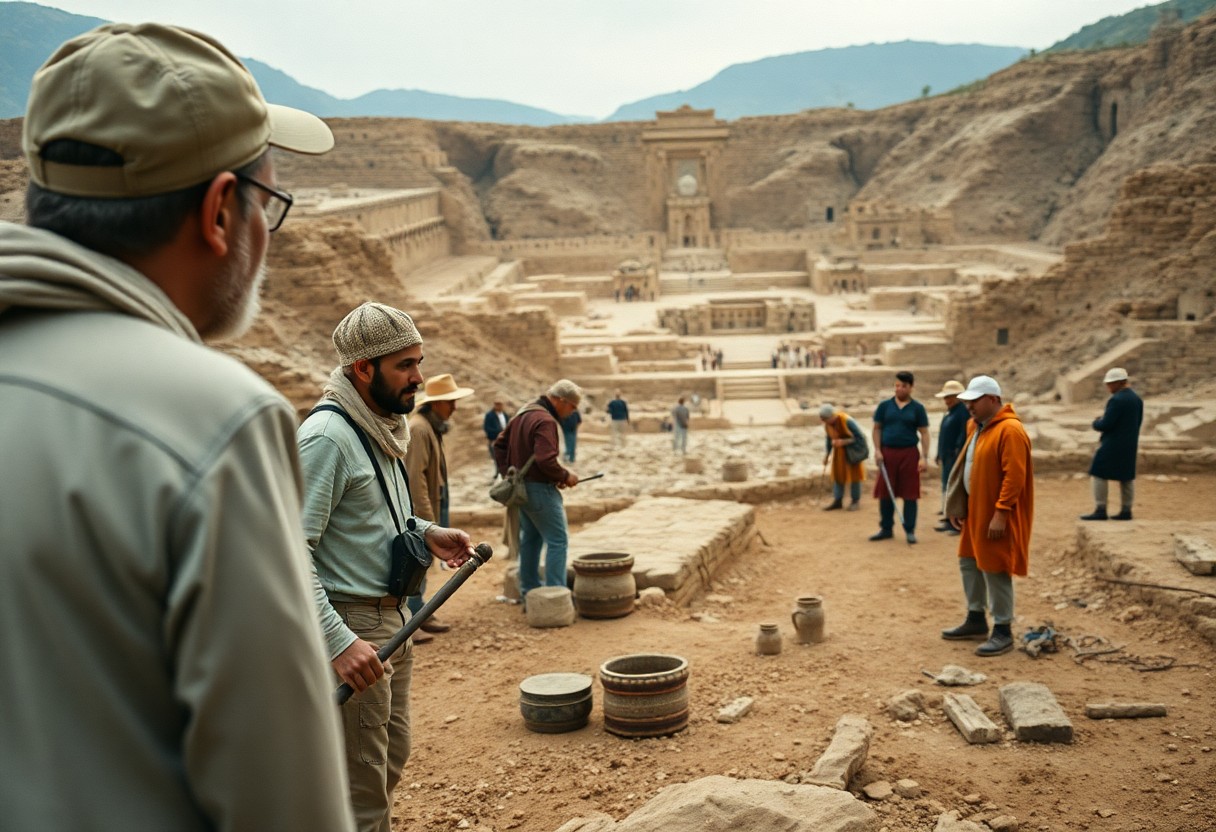
Even in 2025, the discovery of lost artifacts continues to captivate historians and enthusiasts alike. Recent excavations have revealed treasures once believed to be lost to time, sparking renewed interest in ancient civilizations. These artifacts provide invaluable insights into the cultures and societies of our ancestors, shedding light on their daily lives, beliefs, and artistic achievements. Each piece carries a story, connecting us with the past and deepening our understanding of human history.
The Significance of Historical Relics
Lost artifacts serve as vital links to our shared human experience, providing a tangible connection to bygone eras. Their presence not only enriches our understanding of history but also instills a sense of identity and continuity in societies.
Impact on Cultural Heritage
An increase in the rediscovery of artifacts has profound effects on cultural heritage worldwide. As communities reclaim their lost heritage, there is an enhanced sense of pride and identity that fosters unity among individuals.
Understanding the impact of recovering cultural treasures is pivotal for societies navigating an ever-changing world. As I observe the fabric of individual and collective identities being woven anew through these artifacts, I see a growing appreciation for diversity and historical context. These discoveries empower communities, prompting conservation efforts aimed at preserving the past for future generations. By recognizing and celebrating our shared history, we foster a deeper connection among people across the globe, promoting understanding and respect for our distinct cultures.
Technological Advancements in Archaeology
Any discussion of archaeology in 2025 inevitably points to remarkable technological advancements that have revolutionized the field. Innovative tools and methods have enhanced our ability to explore, analyze, and preserve archaeological sites. These advancements are not only making excavations more efficient but also allowing for deeper insights into our past while ensuring the safety of the artifacts and structures we study.
New Tools for Exploration
Archaeology is now at the forefront of innovation with the introduction of state-of-the-art drones and geophysical surveying methods. These new tools allow for aerial reconnaissance and non-invasive scans, revealing hidden structures and determining excavation sites with incredible precision. With these advancements, I can minimize disturbance to the ground while still uncovering invaluable insights into ancient civilizations.
The Role of AI and Data Analysis
At the core of today’s archaeological breakthroughs is the integration of artificial intelligence and data analysis. This technology enables me to process vast amounts of information rapidly, from satellite imagery to excavation data, revealing patterns and correlations that were previously inaccessible. Additionally, AI algorithms can assist in reconstructing ancient environments, improving our understanding of cultural evolution.
Advancements in AI and data analysis are changing how we interpret archaeological findings. Using machine learning, I can pinpoint potential excavation sites more effectively, reducing time and resources. Additionally, data modeling helps simulate past climates and societal dynamics, offering new perspectives on how ancient civilizations functioned. However, I must also consider the ethical implications of using such technologies, ensuring that they are utilized responsibly while fostering a deeper connection to our shared human history.
Global Collaborations in Archaeological Research
Many archaeological breakthroughs in 2025 were the result of extensive global collaboration. By pooling resources, knowledge, and expertise, researchers from various countries have tackled complex archaeological challenges, leading to significant discoveries that may have remained hidden without such cooperation.
International Partnerships
Partnerships among universities, research institutions, and government bodies have proven important for advancing archaeological research. These alliances have facilitated comprehensive studies and provided access to diverse resources, ensuring a richer understanding of our shared human history. Together, we can engage in excavation and analysis that transcends national boundaries.
Shared Discoveries Across Borders
About the incredible achievements made in archaeology through shared efforts across borders, these collaborations have yielded findings that redefine our understanding of ancient civilizations. From joint excavations to the exchange of artifacts, these discoveries have illuminated the interconnectedness of cultures around the world.
In fact, I found that the shared discoveries have spotlighted relationships between different ancient societies. For instance, researchers unveiled the trade routes between early Egyptian and Mesopotamian civilizations, revealing their intricate connections. Such findings not only enhance our grasp of history but also demonstrate the importance of teamwork in overcoming challenges faced during fieldwork. Whether uncovering ancient relics or documenting cultural practices, these global partnerships foster a unified approach that enriches archaeological narratives and our collective heritage.
The Contribution of Citizen Scientists
Once again, the impact of citizen scientists has profoundly transformed the field of archaeology in 2025. By utilizing their collective passion and diverse skill sets, these enthusiastic individuals have significantly contributed to uncovering historical treasures, documenting sites, and supporting professional archaeologists. Their innovative use of technology, such as drone mapping and online databases, has enhanced our understanding and preservation of archaeological heritage like never before.
Grassroots Archaeology Movements
Across various regions, grassroots archaeology movements have emerged, empowering local communities to engage in the protection and exploration of their cultural heritage. These initiatives foster collaboration between amateur archaeologists and professionals, creating a sense of ownership and responsibility towards archaeological sites, while providing invaluable data to the broader field of archaeology.
Case Studies of Successful Projects
Beside the various community-led efforts, numerous successful projects have showcased the potential of citizen scientists in archaeology:
- Project Heritage: Engaged over 5,000 volunteers who documented 2,000 previously unrecorded sites, significantly enriching regional archaeological databases.
- Archaeology from Home: Supported by online platforms, it attracted 10,000 contributors globally, resulting in the identification of 300+ significant artifacts through crowdsourced analysis.
- Mapping the Past: In less than a year, this initiative mapped 50,000 km² of territory, uncovering 25 ancient settlements buried in remote areas.
But my enthusiasm for these initiatives lies in the impactful statistics and the stories behind them. These projects not only highlight the immense value of participatory archaeology but also showcase how ordinary individuals can make extraordinary contributions. For instance, Project Heritage helped preserve sites at risk of destruction, fostering a deeper respect for our shared history among local communities. This collaboration between professional archaeologists and passionate citizens ultimately demonstrates a powerful approach to enrich our understanding of the past and safeguard it for future generations.
Implications for Modern Society
All of these archaeological discoveries emphasize the interconnectedness of our past, present, and future. By understanding the cultural and social dynamics of ancient civilizations, we gain insights into our own societal structures. These findings challenge us to reconsider contemporary issues such as environmental sustainability, social inequality, and cultural heritage preservation. They suggest that our solutions often lie within the lessons of history.
Lessons from the Past
Against the backdrop of our technological advancements, archaeological findings remind us that history is rich with solutions to present dilemmas. Many ancient civilizations thrived by developing sustainable practices and governance models that addressed social issues. By examining these successful strategies, you may discover innovative ways to tackle modern challenges, reinforcing the importance of history in shaping a better future.
Archaeology’s Role in Contemporary Issues
Contemporary society often looks to archaeology to provide context for ongoing debates surrounding heritage conservation, climate change, and urban development. As I investigate into these topics, I find that archaeology serves as a bridge connecting past human experiences with current challenges, allowing us to forge a path forward. Its commitment to uncovering truths about former societies can inspire your efforts in addressing environmental degradation and social injustices today.
At times, you may be surprised to find that archaeological evidence can *strengthen modern environmental advocacy* by showcasing ancient sustainable practices. Additionally, *it can enhance cultural understanding*, inspiring social cohesion amidst diverse communities. As we face *urgent global challenges*, archaeology’s role is to provide *critical insights* and *valuable lessons*, driving positive change while raising awareness of our shared heritage. Overall, the insights from archaeology can empower you to engage more effectively in contemporary debates, connecting past experiences with present-day solutions.
Conclusion
On the whole, the archaeological discoveries of 2025 have profoundly shaped our understanding of history, culture, and human evolution. I believe that these findings not only provide invaluable insights into our past but also challenge our perceptions, inviting you to rethink the narratives that have long been accepted. As we both engage with these revelations, it’s clear that archaeology continues to unlock the mysteries of our existence, encouraging us to explore and appreciate the intricacies of the human story.
Discover more from GTFyi.com
Subscribe to get the latest posts sent to your email.