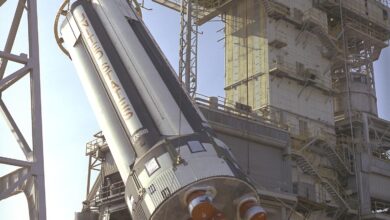
Most space enthusiasts might think of Voyager 1 as simply a relic of the past, but NASA’s innovative engineering and quick problem-solving led to an impressive comeback for this spacecraft. You’ll discover how a series of unexpected challenges in deep space prompted scientists to implement a daring fix that not only rejuvenated its operations but also provided invaluable data about the universe. Join us as we investigate into this untold story of resilience and ingenuity, and explore how Voyager 1 continues to redefine our understanding of the cosmos.
Background of Voyager 1
Before Voyager 1 launched in 1977, it was envisioned as a groundbreaking mission aimed at exploring the outer planets of our solar system. As the first spacecraft to venture into interstellar space, it has provided humanity with invaluable data about the cosmos. Your journey with Voyager 1 is steeped in discovery, pushing the boundaries of what you know about planetary science and astrophysics.
Mission Objectives
Objectives of Voyager 1 include conducting flybys of Jupiter and Saturn, capturing detailed images of their moons, and gathering data about their atmospheres and magnetic fields. By accomplishing these goals, you would gain insights into the formation and evolution of the solar system.
Historical Significance
To say that Voyager 1 has made history is an understatement. It is your first and only spacecraft to enter interstellar space, vastly expanding the horizons of human knowledge. The rich tapestry of data collected has reshaped scientific understanding of the solar system and beyond.
In fact, Voyager 1’s remarkable journeys have unveiled secrets about each planet it encountered, such as *Jupiter’s violent storms and Saturn’s intricate ring system*. These discoveries not only advanced your grasp of planetary science but also marked a monumental milestone in space exploration, demonstrating the possibilities that lie beyond your home planet. The mission has significantly influenced future interplanetary exploration, inspiring new generations of scientists and engineers to push further into the great unknown. Your connection to this historic endeavor continues to echo throughout the scientific community and society at large.
Technical Challenges
Assuming you are familiar with the complexities of space exploration, you can appreciate the daunting technical challenges Voyager 1 faced during its operations. Encountering unexpected behavior in its instruments required NASA to innovate solutions that defied the limits of technology at the time. The engineering team needed to think creatively and devise methods to maintain communication, manage power supply, and ensure the spacecraft could continue its journey amidst the unforgiving conditions of deep space.
Communication Issues
An crucial aspect of Voyager 1’s mission was its ability to communicate with Earth. As distance from our planet increased, signal degradation and communication delays presented significant hurdles. You would have had to endure long waiting periods for data transmission, creating a bottleneck in the scientific discoveries Voyager was able to share.
Power Supply Concerns
On top of the communication hurdles, you must consider the looming power supply concerns that arise in prolonged space travel. Voyager 1 is powered by radioisotope thermoelectric generators, which have been gradually degrading since launch. You would feel the tension as engineers navigated diminishing power reserves, making the need for conservation a persistent priority.
Also, as the years progressed, you would find it alarming how the spacecraft’s energy output started to decrease, threatening the functioning of its scientific instruments. With limited power available, the mission team had to meticulously calculate which systems could be turned off while ensuring that crucial operations continued seamlessly. This meant making tough decisions to preserve different functionalities, all while keeping an eye on the clock—each passing day reducing the spacecraft’s capabilities and putting the mission at risk. Such power management strategies were pivotal in maintaining Voyager 1’s status as a pioneer of deep space exploration.
The Daring Fix
You are about to uncover the remarkable story of how NASA’s engineers orchestrated a daring fix to get Voyager 1, humanity’s farthest space probe, back on track after it encountered unexpected technical challenges. With limited communication and vast distances separating them from the spacecraft, the team utilized their ingenuity and expertise to navigate this intricate operation, demonstrating the resilience of human spirit in the pursuit of knowledge about our universe.
Innovative Solutions
One of the engineering miracles was the implementation of novel algorithms to optimize the spacecraft’s limited onboard resources. The team transformed Voyager 1’s existing systems, allowing it to operate efficiently under constraints and continue its historic mission through the cosmos.
Teamwork and Collaboration
On this journey, you’ll see how the spirit of teamwork and collaboration played a pivotal role in the success of the mission. The engineers, scientists, and communication specialists at NASA came together, sharing their expertise and troubleshooting challenges in real-time, ensuring that every decision was made with precision and care.
In addition, every member of the team brought their unique skills and perspectives to the table, fostering an environment of creativity and innovation. They held countless virtual meetings, analyzing data and collaborating on solutions while coordinating with various departments across the country. This synergy not only enhanced problem-solving but also built an unwavering determination to see Voyager 1 thrive against the immense challenges of deep space. Ultimately, this dedication and spirit of collaboration exemplified what can be accomplished when minds unite for a common goal of exploration and discovery.

The Comeback Journey
Once again, Voyager 1 defied the odds and resumed its journey through the cosmos. After an unexpected communication hiccup threatened its mission, NASA engineers executed a daring fix, allowing the spacecraft to continue sending back invaluable data. This remarkable recovery showcases the resilience of human ingenuity and the groundbreaking strides you can achieve in deep space exploration.
Key Discoveries Post-Fix
At the heart of Voyager 1’s comeback lay a series of significant discoveries that expanded your understanding of interstellar space. The spacecraft returned startling data about cosmic rays, the heliosphere, and the distinct characteristics of its distant surroundings, painting a vivid picture of areas you’ve yet to explore.
Impact on Future Missions
After Voyager 1’s successful fix, its story revolutionized the landscape of deep space exploration. Other missions can now draw on the lessons learned from Voyager’s challenges and triumph, directly influencing design, data collection strategies, and real-time problem-solving.
Plus, the experience gained from Voyager 1’s fix ensures that upcoming missions will be better equipped to face unforeseen challenges. With a renewed focus on robust communication systems and adaptive engineering solutions, future spacecraft will benefit from the insights gained during this pivotal moment. As you look to the stars, the legacy of Voyager 1 will guide and inspire, igniting innovative approaches that will allow you to push the boundaries of your exploration capabilities.
Public Reaction and Media Coverage
For many, the news of Voyager 1’s unexpected challenges sparked a surge in interest, transforming what could have been a technical footnote into a captivating narrative of human ingenuity. The media frenzy encapsulated it all, presenting expert insights and emotional stories that resonated with the public. As discussions unfolded, you might have encountered opinions from scientists, engineers, and space enthusiasts, all rallying around Voyager’s remarkable journey through the cosmos.
NASA’s Communication Strategy
Behind the scenes, NASA implemented a comprehensive communication strategy to keep the public informed about Voyager 1’s situation. With daily updates and engaging social media campaigns, you were likely kept in the loop on the mission’s progress and the innovative solutions proposed by the team. This transparent approach not only piqued your curiosity but also fostered a sense of community as you followed along with others interested in this historic event.
Public Engagement and Interest
Among the public, interest in Voyager 1 soared, with many eager to learn more about the spacecraft’s challenges and triumphant solutions. The agency encouraged interactive discussions through various platforms, allowing you to ask questions and share insights with fellow enthusiasts and experts alike.
Consequently, you may have found yourself part of a larger conversation, where the challenges faced by Voyager 1 became a focal point of excitement and innovation. The use of live Q&A sessions, engaging infographics, and real-time updates made the mission not just a scientific endeavor, but also a personal experience for you. The involvement of schools, universities, and amateur astronomers in outreach programs provided you with numerous avenues to explore, deepening your understanding of space exploration. Ultimately, the campaign highlighted the importance of scientific literacy and public interest in astrobiology, inspiring future generations of scientists and explorers.
Lessons Learned
Now that you’ve explored the remarkable journey of Voyager 1, it’s imperative to reflect on the lessons learned from its daring comeback. This mission emphasizes humanity’s resilience, adaptability, and the power of innovative engineering in overcoming seemingly insurmountable challenges. Every issue encountered led to new insights, reinforcing the importance of teamwork and creative problem-solving in the face of adversity.
Engineering Insights
Across the course of Voyager 1’s revival, engineers honed their skills in troubleshooting and developing creative solutions for complex problems. By utilizing a mix of existing technologies and novel approaches, you can appreciate how collaboration and rigorous testing paved the way for the spacecraft’s recovery, demonstrating the significance of adaptive engineering practices in extreme environments.
Implications for Deep Space Exploration
At the forefront of deep space exploration, the insights gathered from Voyager 1’s experience extend far beyond this mission. They serve as a foundation for future spacecraft, guiding the design, development, and operation of missions sent to the far reaches of our solar system and beyond.
Hence, the implications of this mission are vast, influencing the architecture of future deep space missions. You can take note of the importance of adaptive strategies when encountering unexpected situations, as well as the necessity for robust communication systems to ensure astronauts and spacecraft can share their status in real-time. Additionally, lessons learned about energy management and navigation autonomously are vital for journeys to further destinations such as Mars or the outer planets. The knowledge gained today can indeed shape the future of space exploration, helping you to push the boundaries of human understanding and capability in the cosmos.
To wrap up
The story of Voyager 1’s comeback serves as an inspiring example of human ingenuity and the relentless pursuit of knowledge. You can appreciate how NASA’s daring fix allowed this spacecraft to continue its journey through the cosmos, providing invaluable data about our solar system and beyond. Engaging with this narrative reminds you of the importance of resilience in the face of challenges and the ongoing commitment to exploration. As Voyager 1 sails through interstellar space, your understanding of deep-space missions deepens, highlighting the incredible advancements achieved in space exploration.
Discover more from GTFyi.com
Subscribe to get the latest posts sent to your email.