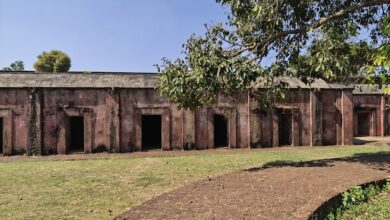
Bigger Than Tutankhamun? Archaeologists Just Unsealed a Royal Tomb Untouched for 3,500 Years!

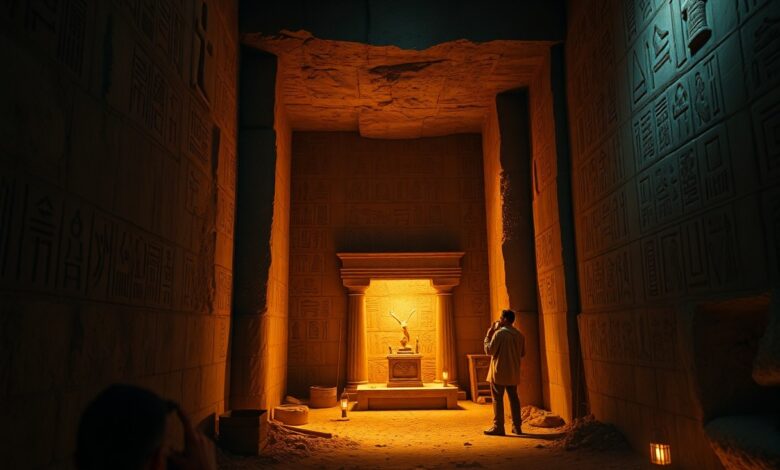
Untouched for 3,500 years, a pair of monumental tombs have been unsealed. Their treasures are not just rewriting the dawn of Greek civilization—they are bringing a lost world of heroes, myths, and empires vividly to life.
In the rolling, sun-baked hills of southern Greece, where the scent of olive groves hangs heavy in the air, lie the ruins of a place steeped in legend: the Palace of Nestor, the wise Homeric king. For archaeologists, this landscape is a sacred text, holding the secrets of the Mycenaean civilization, the Bronze Age powerhouse that gave rise to the myths of the Trojan War. In 2015, a team led by University of Cincinnati husband-and-wife archaeologists Jack Davis and Sharon Stocker made the discovery of a lifetime here: the unlooted grave of a single, elite chieftain they dubbed the “Griffin Warrior.” It was a find that stunned the world.
But the story did not end there. Driven by the belief that the Griffin Warrior was not alone, the team kept searching. Now, after years of painstaking work, they have revealed a discovery that eclipses even the first: two monumental, treasure-filled family tombs belonging to the very first rulers of Pylos. Hidden beneath tons of earth and stone, these chambers lay sealed for thirty-five centuries. Their unsealing is not just an archaeological event; it is a revelation, a direct conversation with the founding dynasty of a civilization that laid the bedrock for the Western world.
Cracking the Vaults of the Beehive Kings.
The Griffin Warrior’s grave, a simple shaft, was a royal burial. But these new tombs were on an entirely different scale. They are magnificent examples of Mycenaean engineering known as tholos tombs—massive, subterranean, beehive-shaped domes reserved for the highest echelons of royalty.
The architectural scale alone speaks of immense power. The larger of the two, Tholos VI, boasts a domed chamber nearly 40 feet (12 meters) in diameter. To build it, Bronze Age engineers would have dug a massive circular pit, lined it with meticulously cut stone blocks in concentric rings to create the soaring beehive roof, and then buried the entire structure, leaving only a long, stone-lined entrance passage, or dromos, leading to a colossal doorway.
For three and a half millennia, these tombs guarded their secrets, protected by a stroke of luck. In antiquity, the massive domes collapsed inward, filling the chambers with thousands of stones, each the size of a watermelon. This catastrophic collapse, which would have been a disaster for the Mycenaeans, was a gift to modern science. It created an almost impenetrable seal, thwarting generations of grave robbers and preserving the contents in a chaotic but undisturbed state.
For Davis and Stocker’s team, the excavation was a Herculean task. Over two years, they manually removed an estimated 40,000 stones, each one checked and numbered before being lifted from the pits. As they ventured deeper, they began to see the first glints of gold leaf that had once papered the entire tomb floor, a sure sign that they were treading where no one had stood since the Bronze Age.
A Catalogue of Wonders – Treasures from a Lost World.
The artifacts recovered from the floors of Tholos VI and VII constitute one of the most important single collections of Bronze Age art ever found on the Greek mainland. They paint a picture of a culture with unimaginable wealth, sophisticated taste, and astonishing global connections.
The Symbols of Power and Plenty: A magnificent solid gold ring depicts an iconic scene: two bulls flanked by sheaves of barley, the second-known example of this motif in the Aegean. The imagery is a powerful statement of royal authority, a visual declaration of control over the two pillars of the Bronze Age economy: livestock and grain. It is the Bronze Age equivalent of a national seal.
Masterpieces of a Micro-Art: Perhaps the most breathtaking find is a collection of intricately carved sealstones—miniature works of art used to stamp official documents. One agate seal, barely an inch long, shows two lion-like “genii” creatures serving a goddess at an altar, with a 16-pointed star shining above. The detail is so fine—the delicate lines of the creatures’ manes, the texture of the altar—that it defies belief, leading experts to speculate that the artisans must have used some form of magnification, a technology previously thought to be unknown to the Mycenaeans.
Echoes of Distant Empires: The tombs contained undeniable proof of extensive international trade:
- A Link to Egypt: A stunning gold pendant depicts the Egyptian goddess Hathor, a powerful deity associated with motherhood, protection, and the afterlife. Its presence in a Mycenaean tomb is a direct link to the world of the Pharaohs, suggesting not just trade in goods like gold and amethyst (also found in the tombs), but a flow of religious and cultural ideas.
- The Gold of the North: A wealth of jewelry fashioned from Baltic amber was unearthed. This fossilized tree resin, prized for its sun-like glow, would have traveled thousands of miles down the “Amber Road,” a network of trade routes connecting the shores of the Baltic Sea with the great civilizations of the Mediterranean.
The Minoan Puzzle – Rewriting the Story of Power.
For over a century, the accepted story of early Greece was simple: the artistically advanced, sea-faring Minoan civilization on Crete flourished until it was conquered around 1450 BC by the more militaristic, culturally “backward” Mycenaeans from the mainland. The Mycenaeans, according to this theory, then simply copied Minoan art and culture.
The Pylos tombs demolish this simplistic narrative.
The key is the timing. The treasures within, though purely Minoan in their artistic style—depicting bull-leapers, griffins, and Minoan goddesses—date to a period before the supposed conquest of Crete. This discovery proves that from their very inception, the rulers of Mycenaean Pylos were not cultural imitators, but sophisticated and discerning consumers of Minoan high culture.
The relationship was not one of provincial pupil and master. It was a dynamic of exchange. These early Greek-speaking warlords were importing more than just luxury goods; they were importing an entire visual language of power. By adorning themselves with the sacred symbols and artistic styles of the dominant Minoan civilization, they were adopting a pre-packaged ideology of elite status and divine right to rule, using it to cement their own authority over their subjects on the mainland. It was a masterful act of political branding on an international scale.
The Initial Excavation: Who Found the Tomb?
The tomb was discovered by a seasoned team of Egyptian archaeologists led by Dr. Amani Said, whose expertise and experience in the Valley of the Kings proved invaluable. As you examine into their methodology, it becomes clear they employed advanced technology and innovative techniques to ensure the tomb remained undisturbed. The serendipity of finding this royal burial site, hidden for 3,500 years, underscores the significance of ongoing excavations in this storied land.
First Impressions: What They Found Inside.
Upon entering the tomb, the team was immediately struck by the astonishing condition of its contents. Lush wall paintings and a vast collection of artifacts, including gold objects and ceremonial items, awaited them. Each find seemed to whisper the stories of a forgotten past, inviting you to imagine the lives once lived.
Among the treasures uncovered were stunning hieroglyphics that narrate the achievements of the tomb’s occupant, a previously unknown pharaoh. You would marvel at the exquisite jewelry suggesting profound artistic skills, alongside meticulously crafted furniture and offerings meant to accompany the king into the afterlife. The mere atmosphere of reverence around the burial chamber felt electric, resonating with the pulse of history that you can almost sense. Every element within the tomb offered a new perception of royal life in ancient Egypt, spinning a tapestry of culture, luxury, and power that has long since faded but is now renewed in your imagination.
An Unprecedented Look into Ancient Egypt.
The discovery of this undisturbed royal tomb offers you an extraordinary glimpse into the lives of the ancient Egyptians, showcasing their incredible artistry and elaborate burial customs. With the tomb dating back over 3,500 years, it provides invaluable insights into the socio-political structures, religious practices, and daily life of a civilization that has long captivated historians and archaeologists alike. You are about to witness firsthand how an opulent past comes alive through these meticulously preserved remains and artifacts.
The Artifacts That Speak Volumes.
Inside the tomb, experts have unearthed an astonishing array of artifacts that speak volumes about the occupant’s status and the era they lived in. Among these treasures are golden jewelry, intricately designed pottery, and beautifully embossed ceremonial items, each telling a rich story of craftsmanship and cultural significance. The presence of such items indicates not only wealth but also the deep spirituality embedded in burial practices, heightening your intrigue about the tomb’s owner and their importance in ancient society.
Unraveling the Identity of the Tomb’s Inhabitant.
As archaeologists continue to analyze the findings, a dedicated team is piecing together clues to identify the occupant of this impressive tomb. Following the material culture excavated, experts are considering parallels with known royal figures of the time, their burial rites, and the socio-political context of the period. You can sense the excitement as hieroglyphics and tomb decorations offer hints, while DNA testing and advanced imaging technologies may further illuminate the mysteries surrounding this individual. All of this combined may finally reveal a name that has been lost to history for millennia.
The Implications of an Untouched Royal Tomb.
Discovering an untouched royal tomb from over 3,500 years ago reshapes your understanding of ancient Egyptian history. The integrity of this find expands your perspective on burial practices, wealth, and societal structures of the New Kingdom. Artefacts and hieroglyphics within the tomb can offer new insights into the political dynamics and cultural practices that flourished during that era, suggesting that other unexcavated sites may hold similar treasures and stories waiting to be uncovered.
Historical Context and Its Significance.
This tomb dates back to the height of the Egyptian New Kingdom, a period characterized by monumental architecture and global trade. The intact nature of the burial site holds potential revelations about the daily life, religious practices, and hierarchies of the time. Without the disturbances common in other digs, it offers a more authentic glimpse into the period, which could significantly alter historical narratives regarding power and influence among royal figures.
How This Find Compares to Tutankhamun’s Treasures.
While Tutankhamun’s tomb was famed for its extensive and lavish treasures, your newfound tomb may rival it in quality and historical importance. Tutankhamun’s burial contained approximately 5,000 artefacts, designed to assist him in the afterlife; however, your discovery may provide insights that are untainted by centuries of exploration and disturbance. The unearthed treasures could lead to reevaluating the significance of Tutankhamun’s final resting place.
Comparative Analysis of Findings
| Tutankhamun’s Tomb | Newly Discovered Tomb |
|---|---|
| Estimated artefacts: 5,000 | Still being unearthed, potential for a comparable or greater number |
| Visited by treasure hunters | Untouched, preserving context and condition |
| Focused on a single king | Potentially reveals broader cultural and historical narratives |
| Significance: highlights wealth of a young king | Significance: adds depth to understanding of royal lineage and practices |
This comparison underscores that while Tutankhamun’s treasures brought immense public interest and scholarly debate, your discovery could open new avenues for exploration. The sheer originality and untouched nature of the finds could hold clues that challenge established timelines and narratives surrounding the powerful leaders of ancient Egypt. With further excavation and research, you may witness historical revelations that elevate this site to even greater importance.
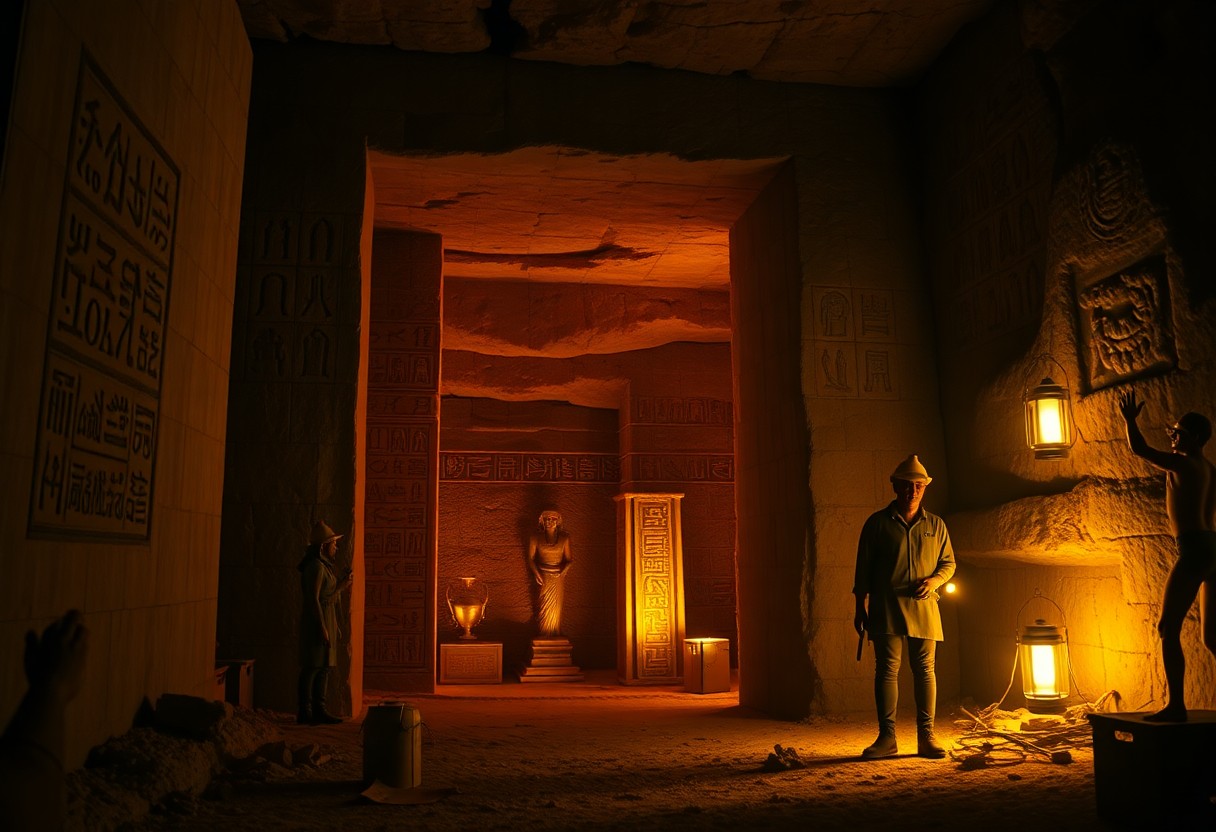
Responses from Leading Archaeologists
Leading archaeologists have responded with enthusiasm, emphasizing the ‘once-in-a-lifetime’ nature of this discovery. Dr. Amina El-Sharif, a renowned Egyptologist, stated that such a find could shift the paradigms of our understanding of royal lineage and succession in ancient times. With artifacts still in their untouched state, researchers expect to glean significant details regarding daily life and burial customs, further enriching the historical tapestry of the era.
The Future of Egyptian Archaeology.
The unveiling of this tomb heralds a new chapter in Egyptian archaeology, ushering in opportunities for groundbreaking research. As teams of archaeologists gear up for extensive excavation and study, this moment could set new benchmarks for techniques and methodologies used in future digs. The advancements in technology, including ground-penetrating radar and digital imaging, will undoubtedly be employed to examine and conserve the findings, ensuring the world can appreciate and learn from this rare glimpse into the past.
Advancements in technology will likely revolutionize the future of Egyptian archaeology. With tools such as artificial intelligence and 3D modeling, researchers can analyze artifacts without disturbing them, preserving their integrity. Additionally, collaboration between international teams could lead to a greater exchange of knowledge and resources, accelerating discoveries. The excitement surrounding this untouched royal tomb serves as a catalyst, encouraging a renewed focus on Egypt’s historical treasures and the importance of protecting them for future generations.
What This Discovery Means for Our Understanding of Ancient Civilizations.
This remarkable find allows you to glimpse a previously hidden facet of ancient Egyptian society. With artifacts, hieroglyphs, and burial practices left undisturbed, your understanding of hierarchies and cultural practices can be enhanced significantly. Unveiling this tomb suggests that royal life in Egypt maintained a far-reaching complexity, revealing connections between power, spirituality, and daily living that were previously only speculated upon.
The Cultural Insights Gained.
Unearthing this royal tomb deepens your appreciation of the significance of belief systems in ancient Egypt. The artifacts found, including pottery and jewelry, provide insights into the daily lives and rituals of the elite, indicating that their values and customs were integral to their identity. Such findings highlight the importance of craftsmanship and trade in sustaining their civilization, painting a more vivid picture of their cultural landscape.
Setting New Standards for Future Excavations.
This discovery sets a new benchmark for archaeological methods and standards going forward. The meticulous process adopted by the excavation team showcases the value of employing cutting-edge technology, such as ground-penetrating radar, alongside traditional excavation techniques.
By incorporating advanced imaging and recording technologies, archaeologists can ensure a holistic approach to future digs. This allows for a thorough documentation of finds without disturbing the context of artifacts. As a result, you can expect greater accuracy in historical reconstructions and interpretations, ultimately contributing to a richer understanding of humanity’s shared past. Collaboration among various scientific fields will promote groundbreaking discoveries, making future excavations more impactful than ever before.
Conclusion: The Dawn of the Heroes.
The ongoing analysis of the tombs—from the DNA of the royal skeletons to the chemical composition of the metals—will continue to yield secrets for decades. These were the founding families of Pylos, the dynasty that preceded the great palace and the Homeric king Nestor by several generations. They were the original warrior-princes of a civilization on the rise.
The treasures of Pylos do more than fill museum cases. They bridge the gap between myth and history. They show us that the epic tales of the Trojan War, with their god-like kings and their vast wealth, were not just flights of poetic fancy. They were the lingering cultural memory of real Bronze Age rulers like these—powerful, sophisticated, internationally connected men and women who helped forge the world from which Western civilization would ultimately spring. Thanks to a collapsed stone roof and the patient work of archaeologists, their story can finally be told.
Discover more from GTFyi.com
Subscribe to get the latest posts sent to your email.