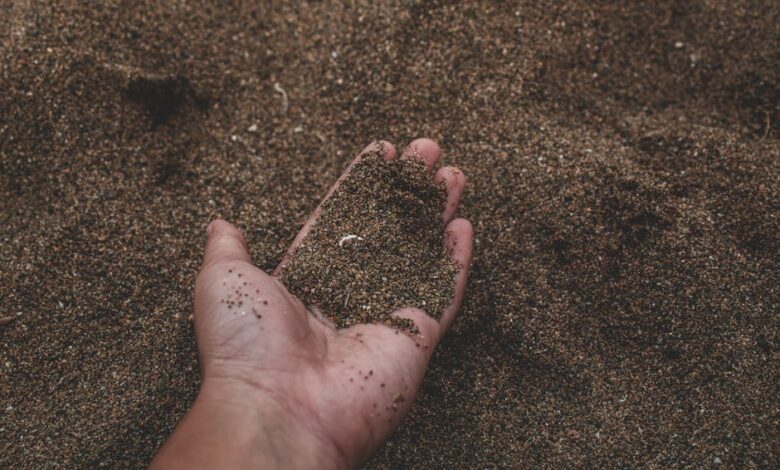
Thinking about turning your food scraps into garden gold but wondering if it’s all just a smelly chore? We break down the true costs and genuine returns. Our analysis shows that a typical household can save between $50 and $200 annually on waste disposal and gardening supplies, often recouping initial setup costs within 1-3 years. The environmental perks? Priceless, and significantly reduce your carbon footprint. Plus, the “mess” is largely a myth if you follow simple guidelines.
The allure of homegrown vegetables and a greener planet often leads folks to consider home composting. But let’s be honest, the thought of turning food waste into… well, more dirt… can sound a bit gross, a lot of work, and maybe even a waste of time. Before you write it off as an eccentric hobby for garden gnomes, let’s peel back the layers and inspect the actual numbers. Is this really a frugal, earth-friendly move, or just another chore to add to the list? We’re talking hard facts, dollars, and cents – not just fuzzy feelings.
The Hidden Cost of “Away”
We throw away a lot. A staggering amount, actually. The U.S. Environmental Protection Agency (EPA) reports that food waste makes up the largest component of municipal solid waste, roughly 22% of what ends up in landfills. When organic matter decomposes without oxygen in a landfill, it produces methane, a greenhouse gas significantly more potent than carbon dioxide. Every banana peel, coffee ground, and wilted lettuce leaf tossed into the regular trash contributes to this problem.
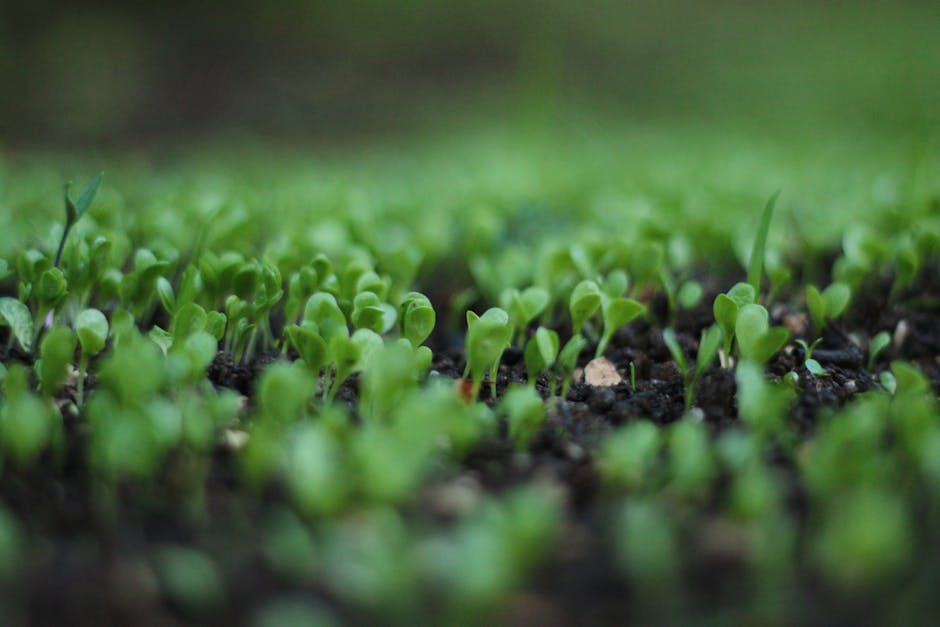
Beyond the environmental impact, there’s a financial one. Many municipalities charge for waste collection based on volume or weight. Reducing your trash output directly translates to lower bills. A 2023 study by Waste Management Analytics found that households actively composting could reduce their trash volume by an average of 15-25%, leading to noticeable savings on disposal fees.
What Exactly is Composting?
At its core, composting is controlled decomposition. It’s helping nature do its job, but faster and more efficiently, by providing the right mix of “greens” (nitrogen-rich items like food scraps) and “browns” (carbon-rich items like dry leaves or cardboard), along with air and moisture. The result is nutrient-rich humus – a fancy word for super soil.
The Initial Investment: What Will This Cost Me?
Before we discuss savings, let’s talk about the entry fee. Composting doesn’t necessarily require a massive outlay, but there are options, each with a different price point and commitment level.
- Open Pile (Free to ~$20): The simplest approach. You just stack your organic materials in a designated spot. The only “cost” might be a pitchfork or shovel if you don’t own one. The downside? Can look untidy, may attract pests if not managed well, and decomposition can be slower.
- Enclosed Bins (~$50 – $200): These range from simple plastic cones to more elaborate multi-chamber systems. They contain the compost, often look neater, and can deter pests. Materials like recycled plastic or wood determine the price. Good for smaller yards and urban settings.
- Tumbling Composters (~$100 – $400): These bins rotate, making aeration easy. No manual turning with a fork needed. They speed up the composting process significantly but come with a higher price tag. They are excellent for those seeking convenience and faster results.
- Worm Bins (Vermicomposting) (~$30 – $150): Ideal for apartment dwellers or those with limited outdoor space. Red wiggler worms do the work, turning food scraps into nutrient-dense “worm castings.” The bins are typically compact, though you’ll need to buy the worms (usually around $30-$50 for a starter colony).
- Kitchen Caddies (~$15 – $40): A small, lidded container for collecting scraps in your kitchen before moving them to the main composter. Not strictly necessary, but they keep things tidy and odor-free indoors.
Let’s consider a realistic starting point: an enclosed plastic bin ($80) and a kitchen caddy ($25), totaling about $105. For a more robust system like a tumbling composter, you might be looking at $250. These are largely one-time purchases, with bins lasting many years.
The Ongoing Effort: Time is Money (and Sweat)
This is where the “effort” part of the question really comes in. Composting isn’t entirely hands-off. Your time has value.
Time Investment Breakdown:
- Scrap Collection: Daily, minimal effort. Tossing food scraps into a kitchen caddy takes seconds.
- Transfer to Main Bin: Once or twice a week, a few minutes.
- Turning/Aerating: Depending on your bin type, this might be weekly or every few days. For an enclosed bin, 5-10 minutes with a pitchfork. For a tumbler, 30 seconds of spinning.
- Monitoring Moisture/Balance: Occasional checks. A few minutes here and there.
Overall, a typical home composter might spend 15-30 minutes a week on average, perhaps more if they are actively building or turning a large pile. If you value your time at, say, $15/hour (a modest estimate), that’s $3.75 to $7.50 per week in “labor.” Annually, that’s roughly $195 to $390. This is a crucial number to consider when evaluating ROI.
Other potential “costs” include water (if your pile gets too dry) or occasionally buying a bag of wood chips or shredded paper if you don’t have enough “browns” on hand. These are usually negligible, perhaps $10-$20 a year at most.
The Return on Investment: Where You Get Your Money Back
Now for the good stuff: the financial perks. This is where composting moves from a feel-good activity to a genuinely smart financial decision.
1. Reduced Waste Disposal Fees
As mentioned, reducing your trash volume can lower your monthly waste bill. For households charged per bag or by volume, diverting 20% of waste to compost can mean saving $5-$10 per month, or $60-$120 annually. Even if you pay a flat rate, you might be able to downsize to a smaller bin, if your municipality allows, saving you money. A 2021 study in Portland, Oregon, noted average savings of $75/year for active composting households.
2. Less Fertilizer and Soil Amendment Purchases
This is arguably the biggest financial win. Instead of buying bags of compost, potting mix, or chemical fertilizers from the garden center, you’re producing your own. A cubic yard of finished compost can cost anywhere from $30-$60 when purchased in bulk. Smaller bags often retail for $5-$10 for a cubic foot. A well-maintained home composter can produce several cubic feet of rich, dark compost per year, easily equivalent to $50-$150 worth of store-bought product annually, depending on your gardening needs. This isn’t just about volume; homemade compost often has a more diverse microbial ecosystem than many bagged products.
3. Improved Plant Health and Yields
While harder to put a precise dollar figure on, healthier plants often mean bigger harvests and fewer plant losses. Compost improves soil structure, aeration, and water retention, and provides a slow-release source of nutrients. This can mean needing to buy fewer new plants, seeing better results from your garden, and potentially saving money on pest or disease treatments because healthy plants are more resilient. Farmers Almanac suggests that soils amended with compost can increase crop yields by 10-20%.
4. Water Conservation
Compost acts like a sponge, significantly improving the soil’s ability to hold moisture. This means you’ll need to water your garden less frequently. Depending on your climate and garden size, this can translate to a 10-20% reduction in water usage for outdoor plants, potentially saving $20-$50 annually on your water bill (based on an average household with a moderate garden in a drier climate). This is a quiet but consistent saving.
Cost vs. Benefit: The Hard Numbers
Let’s crunch some typical numbers for a household actively composting over one year. These are averages and can fluctuate based on your specific choices and regional costs.
| Item | Typical Annual Cost/Effort | Typical Annual Benefit/Savings | Notes |
|---|---|---|---|
| Initial Bin/Setup Cost | $80 – $250 (one-time) | N/A (recouped later) | Spread this over 5-10 years for true annual cost. |
| Time Investment (20 min/week @ $15/hr) | ~$260/year | N/A (opportunity cost) | Your time value may differ. Can be seen as a hobby too. |
| Reduced Waste Disposal Fees | N/A | $60 – $120/year | Dependent on municipal billing structure. |
| Avoided Fertilizer/Soil Purchases | N/A | $50 – $150/year | Significant saving for gardeners. |
| Water Bill Reduction | N/A | $20 – $50/year | More impactful in dry climates or large gardens. |
| Total Annual Cost (excluding initial setup) | ~$260 | N/A | (Primarily your time) |
| Total Tangible Annual Savings | N/A | $130 – $320+ | Does not include intangible environmental benefits. |
| Net Annual Value (Savings – Time Cost) | -$130 to +$60 (first year, excluding initial bin cost) | This shows initial “payback” for your time. |
Looking at the net annual value, it appears your time investment might sometimes outweigh direct monetary savings in the first year, particularly if you value your time highly and have minimal gardening needs. However, the initial bin cost is a one-time thing. Over 3-5 years, your average annual savings consistently outweigh the amortized bin cost and time investment, especially if you spend a lot on garden supplies.
Consider the environmental impact, too. Reducing landfill waste and methane emissions is a huge bonus that doesn’t show up on your bank statement but benefits everyone. A 2022 UN Environmental Program report highlighted that individual composting efforts, collectively, can significantly contribute to climate change mitigation targets.
Managing the “Mess”: Practical Solutions
The “mess” and “effort” concerns are valid, but largely manageable with good practice. Here’s how to keep things tidy and efficient:
Odor Control and Pests
- Balance Greens & Browns: Too many “greens” (food scraps) lead to smells. Always cover fresh food scraps with a layer of “browns” (leaves, shredded paper, wood chips). This helps airflow and prevents odors.
- Bury Food Scraps: Don’t leave them exposed on top of the pile. Bury them a few inches down.
- Avoid Problematic Items: No meat, dairy, oily foods, or diseased plants in traditional compost piles. These attract pests and can create foul odors.
- Keep it Moist, Not Soggy: A pile that’s too wet becomes anaerobic and smells. A pile that’s too dry slows down decomposition. Aim for the consistency of a wrung-out sponge.
Effort Efficiency
- Location Matters: Place your bin conveniently near your garden, but not too close to your house or neighbor’s fence.
- Aeration Tools: A compost aerator (a specialized tool that twists into the pile) or a pitchfork makes turning easier. Tumblers eliminate manual turning entirely.
- Chop it Up: Smaller pieces decompose faster. Quickly chop larger food scraps before adding them.
Is Home Composting for You?
Based on the numbers and practicalities, home composting offers a compelling value proposition for many. It’s not for everyone, though.
You’ll likely find it worth it if you:
- Have a garden or houseplants that can benefit from rich soil.
- Are already environmentally conscious and want to reduce your household waste.
- Live in an area where waste disposal fees are tied to volume or weight.
- Enjoy a bit of outdoor activity and don’t mind spending 15-30 minutes a week on maintenance.
- Are willing to make a small initial investment for long-term gains.
It might be less ideal if you:
- Have absolutely no use for compost (e.g., no garden, no plants).
- Are extremely time-constrained and find an extra 20 minutes a week burdensome.
- Live in an apartment with no outdoor space and prefer not to deal with indoor worm bins.
- Have unrealistic expectations about instant results or zero effort.
The Verdict: Worth the (Modest) Effort
When you look beyond the initial concerns of “mess and effort” and focus on the quantifiable returns, home composting makes a lot of sense. The initial setup cost is modest and typically recouped within 1-3 years through tangible savings on waste disposal, gardening supplies, and water. The weekly time commitment is minimal, often less than an episode of your favorite show.
You’re not just saving money; you’re actively participating in a closed-loop system, transforming waste into a valuable resource. You’re enriching your soil, bolstering your garden’s resilience, and significantly reducing your household’s environmental footprint by diverting potent methane-producing waste from landfills. It’s a pragmatic, earth-friendly habit that delivers both financial dividends and a healthy dose of satisfaction. The mess? Mostly avoidable. The effort? A small price for such a rich return.
Discover more from GTFyi.com
Subscribe to get the latest posts sent to your email.


