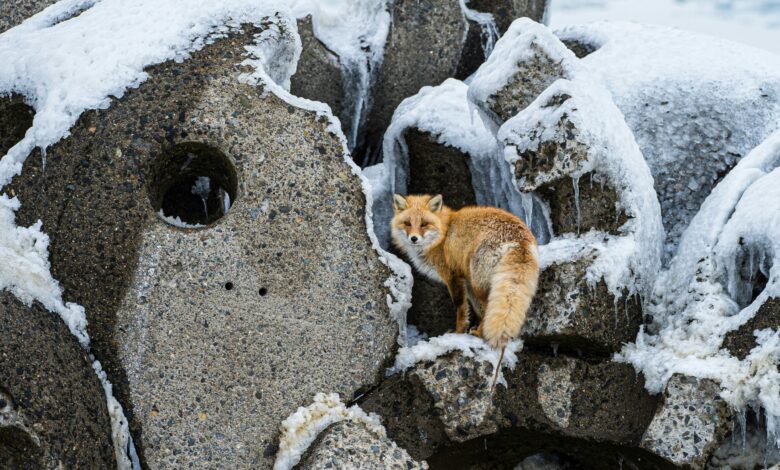
Masters of adaptation and lightning-fast hunters, with a laugh you won’t forget: foxes are full of surprises! Image via Jeremy Hynes/ Unsplash.
Foxes can be found in ecosystems all around the world. You can find different species of fox in dense forests, grasslands, arid deserts and even the icy Arctic. So what is the secret to their success?
Foxes are intelligent animals that can adapt their behavior to fit with their environment. They have highly developed senses and impressive hunting skills, and they’re not afraid to eat whatever is available. In areas populated by humans, they can alter their schedules and change their diets. Plus, evolution has given them remarkable adaptations that allow them to thrive even in harsh environments.
Surprising facts about foxes’ amazing skills
Foxes can adjust their activity patterns according to food availability or the presence of other predators. And their tails are extraordinary tools. They provide stability while running, enable communication through subtle movements and act as an insulating layer that regulates temperature in both cold and warm climates.
Some of their most remarkable behaviors include:
Leaps of up to 7 feet (2 meters): In snowy areas, some foxes use a technique called pouncing. They spring into a rapid, precise arc to land on the snow and catch hidden rodents. Before leaping, they tilt their heads to listen to movements beneath the surface and calculate distance with astonishing accuracy.
Watch this red fox pouncing headfirst into snow. Video via Smithsonian Channel.
Strategic food hiding: When they acquire more food than they can eat, foxes bury it in small caches scattered throughout their territory. Their spatial memory allows them to remember dozens of these hiding spots for weeks.
Precise territorial marking: Foxes use scent glands, urine and visual signals to define hunting, travel and resting areas.
Over 40 different vocalizations: Foxes use screams, short barks, growls and even high-pitched “laughter” to communicate alarms, social contact, play or warnings.
Tickles! Video via Saveafox.
Notable speed and agility: Foxes can reach up to 31 miles per hour (50 kph) and react swiftly to obstacles or prey.
Chameleon-like fur in some species: The Arctic fox, for example, changes its coat color with the seasons as camouflage.
Extraordinary adaptation: Their varied diet and flexible behaviors allow foxes to thrive in vastly different environments.
The habitats and food sources of foxes in the wild
Foxes can live in temperate forests, grasslands, mountains, tundras, rocky areas and even deserts. Their omnivorous diet includes small mammals, birds, reptiles, insects, fruits, seeds and carrion, allowing them to exploit nearly any available resource.
Their underground dens are essential for their well-being, providing shelter from predators, a safe place to raise young and crucial thermal protection in extreme climates.
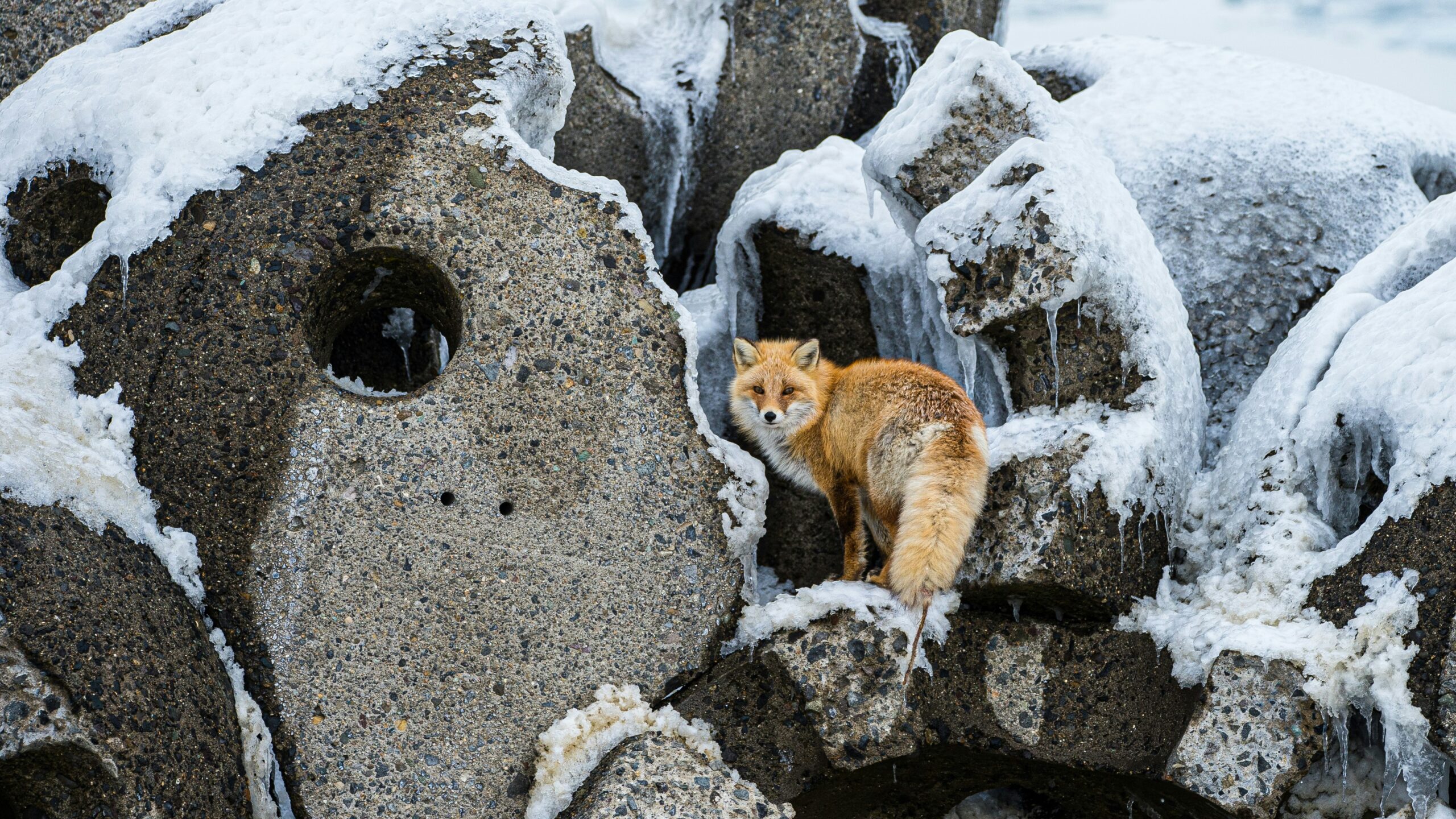
The origin of foxes
Foxes belong to the subfamily Vulpinae, within the family Canidae, which also includes wolves, coyotes and domestic dogs.
The genus Vulpes contains the “true foxes,” which belong to a single evolutionary group. Other genera — such as Urocyon, Lycalopex and Otocyon — are commonly called foxes because they share the typical fox-like traits, such as slender snouts, bushy tails and erect ears. Plus they have similar behaviors. However, despite these similarities, the non-Vulpes foxes are not considered true foxes, as their ancestry and genetic lineage are distinct from Vulpes. In total, there are approximately 37 species of foxes, including both true foxes and these other fox-like canids.
Each genus of foxes — Vulpes, Urocyon, Lycalopex, Otocyon and others — has developed unique adaptations to survive in its environment. While all share characteristic fox-like traits and behaviors, each genus exhibits particular skills suited to its habitat. This diversity shows how foxes can look and act similarly, yet each faces its own challenges in the wild.
Fox species and their traits and adaptations
Here are facts about some of the most peculiar species of foxes.
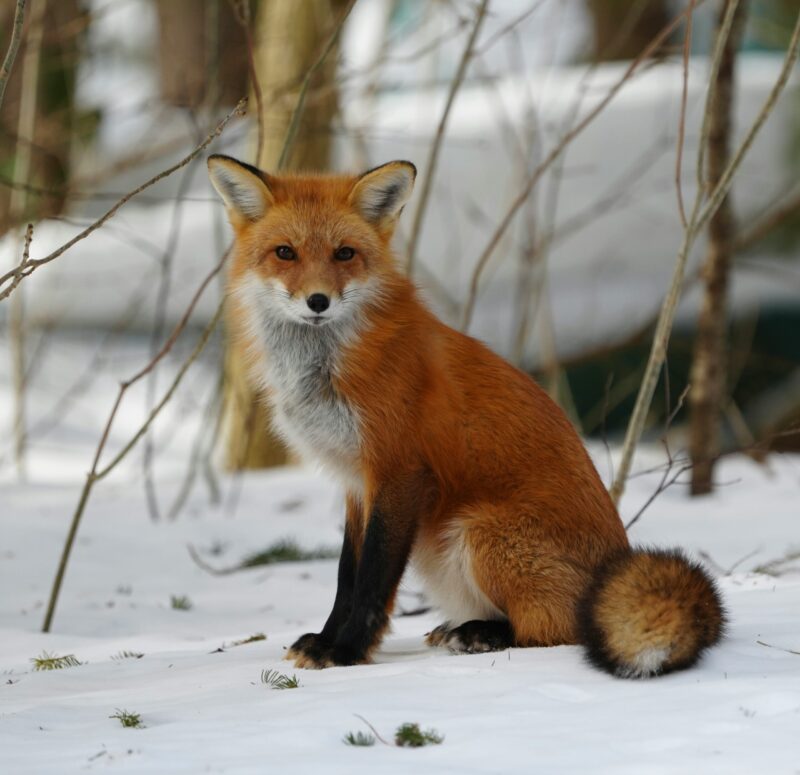
Red fox (Vulpes vulpes)
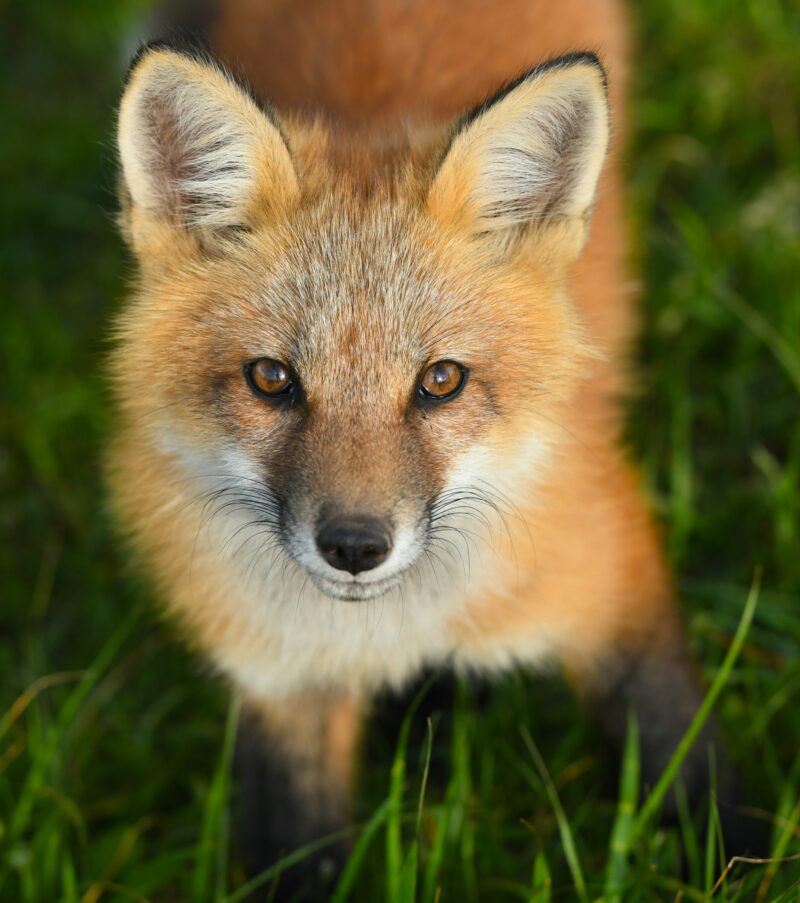
The red fox is the most widely distributed fox species in the world, found in Europe, Asia, North America and northern Africa. Its key strength is its exceptional behavioral flexibility. It quickly adapts to new climates, food sources and even urban environments, adjusting its habits to avoid danger and seize opportunities. This ability to learn and adapt has allowed the red fox to thrive on nearly every continent and in landscapes heavily altered by humans.
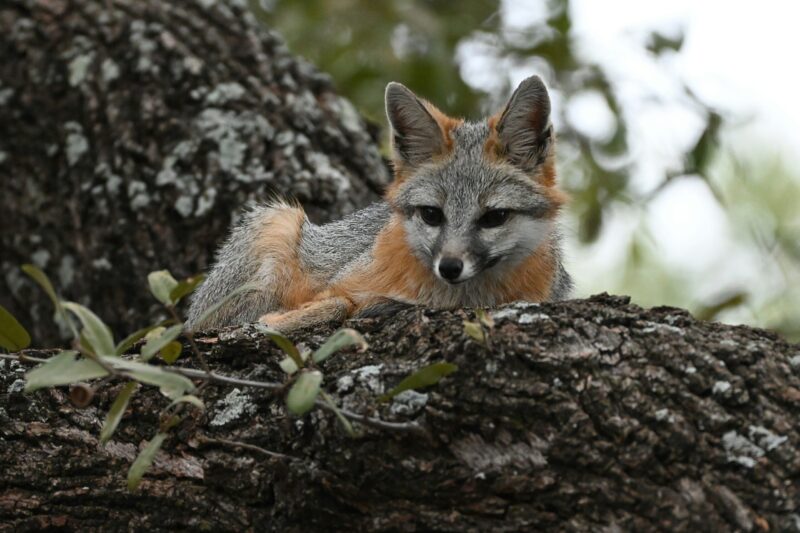
Gray fox (Urocyon cinereoargenteus)
Native to the Americas, the gray fox is one of the few canids capable of climbing trees. Its strong, curved claws, combined with excellent coordination, allow it to ascend sloped trunks and rest on elevated branches. This behavior gives it a unique advantage: it can avoid terrestrial predators and access fruits or nests in heights unreachable to other foxes.
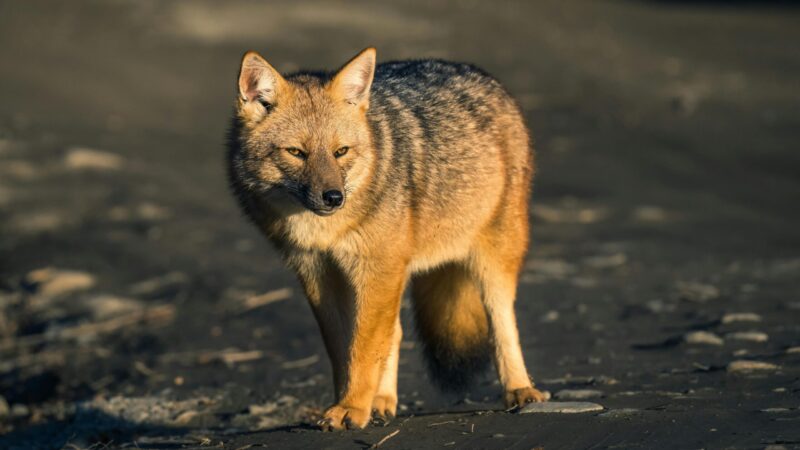
Culpeo (Lycalopex culpaeus)
Native to the Andes and nearby regions of South America, the culpeo is the largest South American fox. It is highly social, hunting in small groups, which allows it to tackle relatively large prey like birds and rabbits. Working together gives it a survival edge across the varied landscapes it inhabits, from rugged mountains to dry shrublands.
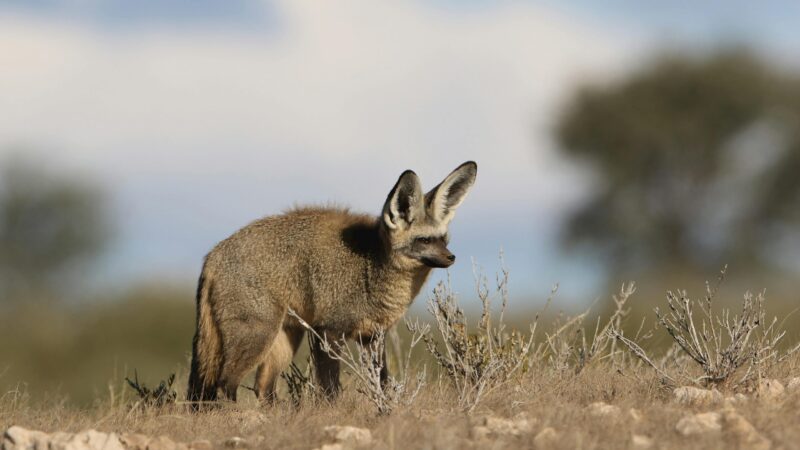
Bat-eared fox (Otocyon megalotis)
Native to Africa, the bat-eared fox is primarily insectivorous, feeding mostly on termites and other insects, which makes it unusual among foxes. It also displays a high level of social behavior, often foraging in pairs or small family groups.
Extreme cases: Foxes in ice and sand
Arctic fox (Vulpes lagopus), master of extreme cold
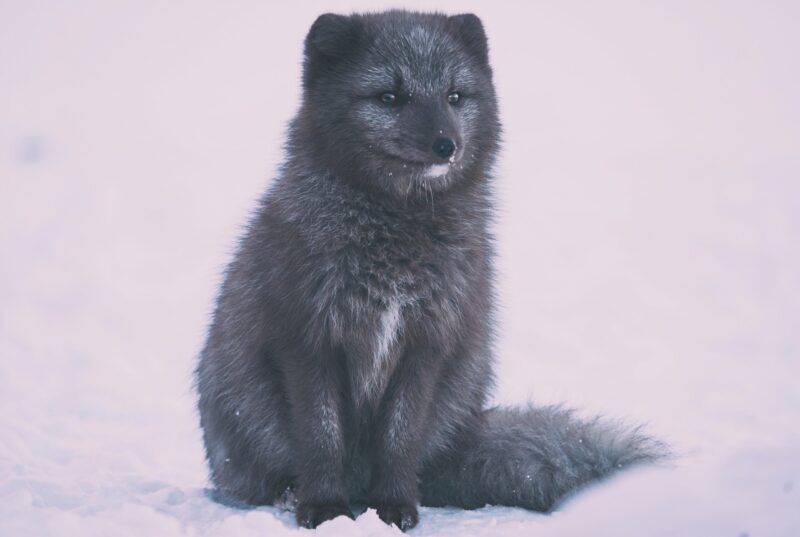
Perfectly adapted to temperatures that can drop below –58°F (–50°C), the Arctic fox has fur that changes with the seasons. It’s white in winter to blend with the snow and brown or gray in summer to match the tundra. Interestingly, some Arctic foxes carry a rare genetic variation known as the “blue morph.” These foxes remain dark all year, providing a striking exception to their seasonal camouflage.
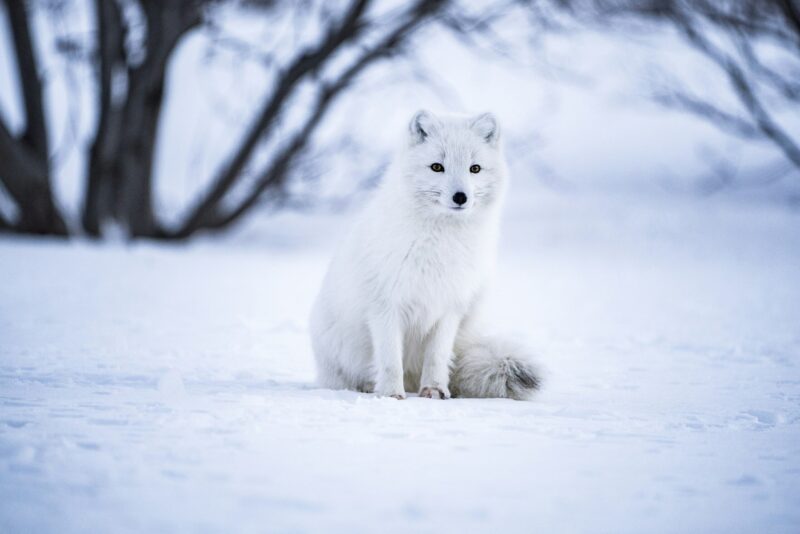
The Arctic fox has paws fully covered in fur, which prevents heat loss and enables it to walk on snow, ice or sharp rocks. Its metabolism is so efficient that it can minimize energy expenditure during periods of scarcity.
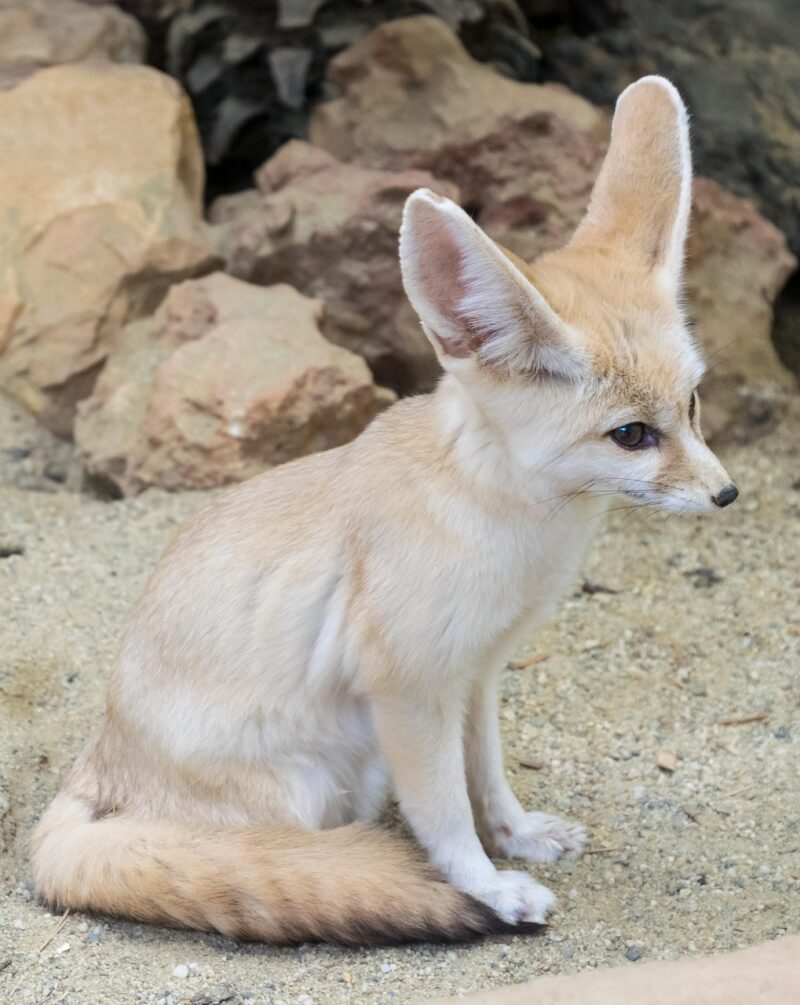
Desert fox (Vulpes zerda) or fennec, survivor of sand and heat
The desert fox is small, light and extraordinarily adapted to the desert. Its light-colored fur reflects some solar radiation, and its enormous ears — up to 6 inches (15 cm) — act as a natural cooling system.
The desert fox’s ears contain a dense network of blood vessels just under the skin. When the fox needs to cool down, blood flow to the ears increases. The blood cools as it passes through the thin, exposed surface and returns to the body at a lower temperature, reducing internal heat.
Its tail, moderately bushy compared to other foxes, helps protect against both daytime heat and nighttime cold. It also provides balance on sand and can be wrapped around the body, including the nose, while sleeping to conserve warmth. This combination of adaptations makes the desert fox one of the most specialized foxes on the planet.
Birth, growth and learning in fox cubs
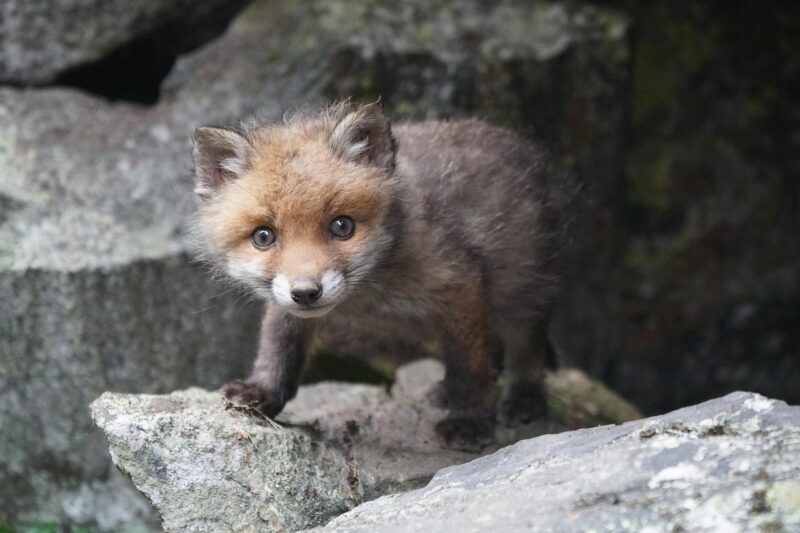
Fox cubs, also called kits or pups, are born after about eight weeks of gestation in protected dens. At birth, they are completely dependent: blind, deaf and covered with soft, dark fur.
During their first weeks, they stay inside the den, where the mother feeds and protects them. As they grow, they begin to explore cautiously. In many species, both parents help raise the young: the male provides food while the female cares for the cubs.
Learning is crucial. Young foxes play games that simulate hunting, chasing and defensive techniques. By six to seven months of age, they already have the skills needed to become independent and establish their own territory.
Conservation status of the fox
Many fox species maintain stable populations, like the red fox, but others are threatened by habitat loss, territorial fragmentation and climate change. Conserving ecosystems is key to their long-term survival.
With their soft steps and lively gaze, foxes traverse the world like little living enigmas, reminding us that even the most discreet animals have astonishing stories to tell.
Bottom line: From Arctic snow to desert sands, foxes survive in the wild with cunning, agility and impressive adaptability.
Read more:
How the lynx beat extinction: Lifeform of the week
The yak is an imposing giant of the high mountains
Kangaroo rats are desert dwellers: Lifeform of the week
Discover more from GTFyi.com
Subscribe to get the latest posts sent to your email.