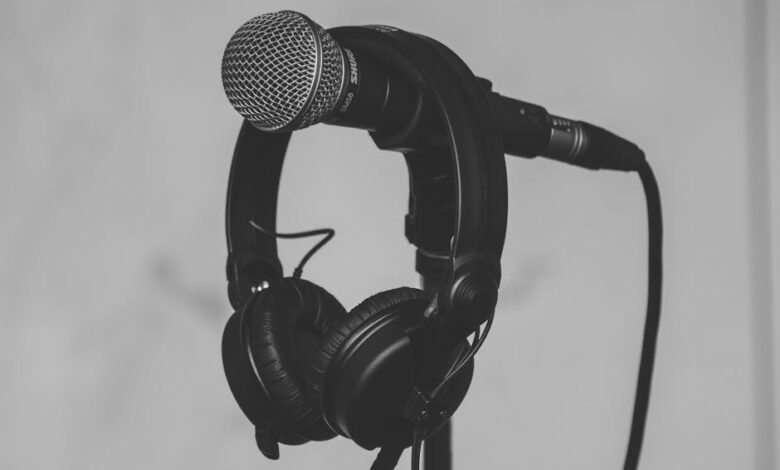
Noise-cancelling headphones aren’t just a gadget; they’re a productivity investment. Expect a solid return on investment (ROI) through reduced distractions and increased focus, potentially recouping costs in months. The tangible benefits of fewer errors and faster task completion often outweigh the upfront expense, making them a wise choice for most remote workers navigating noisy environments.
Remote work promised freedom and flexibility, but it often delivered a soundtrack of barking dogs, chatty partners, construction, and the eternal siren song of the doorbell. For many, the home office isn’t the quiet sanctuary they imagined. This constant auditory onslaught chips away at concentration, prolongs tasks, and frankly, grates on the nerves. Enter noise-cancelling headphones, often pitched as the ultimate solution for reclaiming peace. But at prices ranging from modest to eyebrow-raising, are they truly worth the expenditure for the average remote professional? Let’s break down the hard numbers and see if the silence pays for itself.
The Hidden Cost of Noise: Quantifying Distraction
Imagine trying to focus on a complex spreadsheet while your neighbor practices their amateur drumming. Distractions aren’t just annoying; they’re expensive. Studies consistently show that context switching – the mental effort required to shift focus after an interruption – costs significant time. A 2023 study published in the Journal of Experimental Psychology: Applied indicated that even brief interruptions can extend the time needed to complete a task by up to 25%.
Understanding Your Personal Noise Tax
Let’s put this into perspective. If you earn $30 an hour and lose just 15 minutes of productive time each day due to noise-induced distractions, that’s $7.50 lost daily. Over a 20-day work month, that’s $150. Annually, you’re bleeding $1,800.
This calculation doesn’t even account for the mental fatigue, increased stress, or the higher likelihood of making errors when constantly disrupted. Your “personal noise tax” can quickly dwarf the cost of a good pair of headphones.
- Children playing or schooling at home: A common source of intermittent but potent noise.
- Household appliances: Washing machines, dishwashers, and even air conditioning can create a persistent hum.
- Street noise: Traffic, construction, sirens, and neighborhood sounds are often beyond your control.
- Roommates or partners: Conversations, video calls, or even just movement can break concentration.
- Pets: Barking dogs, meowing cats, or even noisy bird cages contribute to the cacophony.
How Noise-Cancelling Headphones Work Their Magic
Not all “noise reduction” is created equal. Understanding the difference helps justify the price tag. Passive noise isolation uses physical barriers like thick earcups and a snug fit to block sound waves. Think of it like putting your hands over your ears. This works well for high-frequency sounds.
Active Noise Cancellation (ANC): The Real Deal
Active Noise Cancellation (ANC) is where the real investment lies. These headphones contain tiny microphones that pick up ambient low-frequency noise. An internal processor then creates an “anti-noise” sound wave, precisely inverted to the incoming noise. When these two waves meet, they cancel each other out, effectively silencing the low-frequency drone of engines, fans, and general background hum.
This technology is particularly effective against constant, monotonous sounds that are notoriously disruptive. The combination of passive isolation and active cancellation creates a powerful barrier against the outside world. This dual approach is what differentiates premium noise-cancelling headphones and contributes to their higher cost, but also their superior performance.
The Hard Numbers: Cost Analysis of NCH
Noise-cancelling headphones come in a wide price range. It’s crucial to consider the initial outlay against their expected lifespan and performance.
- Entry-Level ($100-$180): You’ll find some decent options here, often from lesser-known brands or older models from established manufacturers. They provide acceptable ANC for basic office noise but might lack premium comfort, sound quality, or advanced features like transparency modes. Lifespan is typically 2-3 years.
- Mid-Range ($200-$320): This is the sweet spot for many. Brands like Sony (older models), JBL, and Anker often feature here. Expect good-to-excellent ANC, better build quality, improved comfort for longer sessions, and more advanced features. These usually last 3-4 years.
- Premium ($350-$550+): The top-tier models from Sony (WH-1000XM series), Bose (QC series, NCH 700), and Apple (AirPods Max) reside here. They offer best-in-class ANC, exceptional sound quality, superior comfort, and smart features like adaptive ANC, multiple device connectivity, and excellent microphone arrays for calls. These are built to last, often performing well for 4-5+ years with proper care.
Calculating the True Cost Per Day
Let’s take a mid-range pair costing $280 with an estimated lifespan of 3.5 years (approximately 1277 days). The daily cost breaks down to roughly $0.22. A premium pair at $450 with a 4.5-year lifespan (approximately 1642 days) costs about $0.27 per day. Compare these pennies to the $7.50 daily productivity loss mentioned earlier. The numbers quickly make a strong case for the investment.
The ROI of Silence: Quantifying Productivity Gains
The return on investment (ROI) for noise-cancelling headphones isn’t just theoretical. It’s measurable in terms of saved time, reduced errors, and improved mental well-being, all of which have direct financial implications.
Faster Task Completion and Fewer Errors
When distractions are minimized, your brain can dedicate its full processing power to the task at hand. This leads to faster completion times and significantly fewer mistakes. Think about complex data entry, coding, writing reports, or detailed analysis. Each error caught before submission saves rework time.
If NCH helps you finish a task 10% faster, and you spend 6 hours a day on focused tasks, that’s 36 minutes saved daily. At $30/hour, that’s $18 per day in saved time alone. This translates directly to more output for the same input, or more personal time for the same output.
Improved Call Quality and Professionalism
Many modern noise-cancelling headphones include advanced microphone technology designed to isolate your voice from background noise. This means clearer calls for your colleagues and clients, projecting a more professional image. Imagine the frustration of a client on the other end trying to hear you over a leaf blower.
Better call quality translates to more effective communication, fewer misunderstandings, and a stronger professional reputation, all indirectly contributing to career growth and income. It reduces the friction points that can derail important conversations.
Reduced Stress and Burnout
Constant exposure to unwanted noise elevates stress hormones and contributes to mental fatigue. By creating a quieter workspace, NCH can significantly reduce this daily grind. Lower stress means better focus, improved decision-making, and a reduced likelihood of burnout.
While difficult to put a precise dollar figure on, the long-term health and career benefits are undeniable. A healthier, less stressed employee is a more productive and longer-tenured employee, saving companies (and individuals) significant costs associated with turnover and health issues. Mental peace is a valuable asset.
Cost vs. Benefit: A Head-to-Head Comparison
Let’s summarize the financial and qualitative aspects:
| Aspect | Cost / Downside (Numeric/Qualitative) | Benefit / Upside (Numeric/Qualitative) |
|---|---|---|
| Initial Purchase Price | $100 – $550+ (one-time investment) | Recouped in productivity gains, often within 2-10 months. |
| Daily Operating Cost | ~$0.20 – $0.30 per day (spread over lifespan) | Offsets ~$7.50 – $18+ daily lost productivity (based on $30/hr wage). |
| Distraction Reduction | Potential minor discomfort from wearing for long periods. | Up to 25% reduction in task completion time due to fewer interruptions. |
| Mental Well-being | Requires occasional charging, possibility of reduced situational awareness. | Decreased stress, reduced mental fatigue, enhanced focus, better sleep. |
| Professional Image | Nil direct cost. | Clearer communication on calls, higher perceived professionalism. |
Beyond Productivity: Additional Perks for Remote Workers
The advantages extend beyond just getting more done. They touch on quality of life and the general remote work experience.
- Portability and Flexibility: Your quiet “office” travels with you. Whether you’re working from a coffee shop, a shared co-working space, or even on a family vacation, your NCH provides a consistent environment.
- Improved Audio Experience: Many premium NCH offer exceptional sound quality for music or podcasts during breaks, enhancing your leisure time. This adds another layer of value beyond pure work utility.
- Privacy: In shared living situations, wearing NCH can signal to others that you are focused and unavailable, implicitly creating a boundary. It’s a non-verbal cue that you are in deep work mode.
Potential Downsides and Alternatives
No product is perfect for everyone. It’s important to consider the potential drawbacks before making a purchase decision.
Comfort and Situational Awareness
Some users find over-ear headphones uncomfortable for extended periods, leading to pressure on the head or ears. In-ear options can also cause ear fatigue. It’s wise to test different styles if possible.
Additionally, the very isolation that makes NCH effective can be a safety concern in certain environments, blocking out important sounds like doorbells, alarms, or someone calling your name. Many models now include a “transparency mode” to mitigate this, allowing ambient sound to pass through when needed.
Battery Life and Maintenance
Unlike passive headphones, ANC features require power. You’ll need to remember to charge them regularly, which can be an inconvenience if you forget. Over time, battery degradation is also a factor, impacting the long-term effectiveness of the ANC.
Proper care, such as storing them in their case and avoiding extreme temperatures, can extend their lifespan, but batteries are consumables that will eventually diminish.
Alternatives to Consider
If the cost or comfort issues are dealbreakers, there are other options, though they typically offer less comprehensive solutions:
- Basic Earplugs: Inexpensive and effective for physical sound blocking, but they don’t offer ANC and can muffle speech significantly. Great for sleeping, less for active work.
- White Noise Machines/Apps: Can mask distracting noises by providing a constant, soothing background sound. Less effective against sharp, intermittent noises, but good for consistent hums.
- Dedicated Quiet Space: The ideal, but often impractical for many remote workers who lack spare rooms or soundproofing. This requires significant upfront investment in real estate or home modifications.
- Focus Music/Binaural Beats: Some people find certain types of music or auditory tones help with concentration, though this isn’t true noise cancellation. It’s more about substituting one sound for another.
Making the Investment Decision
Ultimately, the decision comes down to your individual circumstances. Asking yourself a few key questions can help clarify if NCH are right for you.
- How noisy is your typical work environment? The noisier it is, the higher the potential ROI. Someone in a quiet home office might see less benefit than someone working next to a busy street.
- How often do you find yourself distracted? Frequent interruptions translate to higher financial and mental costs. If you’re constantly pulled away from tasks, the need is greater.
- What is your budget? Remember, even mid-range options offer significant benefits. You don’t always need the most expensive model to see real improvement.
- How long do you plan to work remotely? A longer horizon makes the per-day cost even more negligible. This is a long-term productivity tool.
- What are your comfort preferences? Try different styles (over-ear, in-ear) if possible before committing. Comfort is key for extended wear.
For most remote workers facing regular distractions, the numbers speak for themselves. The initial investment in a quality pair of noise-cancelling headphones is often quickly offset by tangible gains in productivity, reduced stress, and an overall better work experience. Consider them not just a purchase, but a strategic tool for enhancing your professional output and personal well-being.
The Final Verdict: An Investment, Not Just an Expense
The evidence is compelling. When we analyze the costs of lost productivity, errors, and mental fatigue against the relatively modest daily cost of owning a good pair of noise-cancelling headphones, the economic argument swings heavily in their favor. They are not merely an accessory; they are a critical piece of infrastructure for anyone serious about optimizing their remote work environment.
From saving valuable work hours to fostering a calmer, more focused mindset, noise-cancelling headphones offer a quantifiable return that makes them a genuinely worthwhile investment for the modern remote professional. Silence, it turns out, is indeed golden, and its price is often quite reasonable when viewed through the lens of productivity.
Discover more from GTFyi.com
Subscribe to get the latest posts sent to your email.