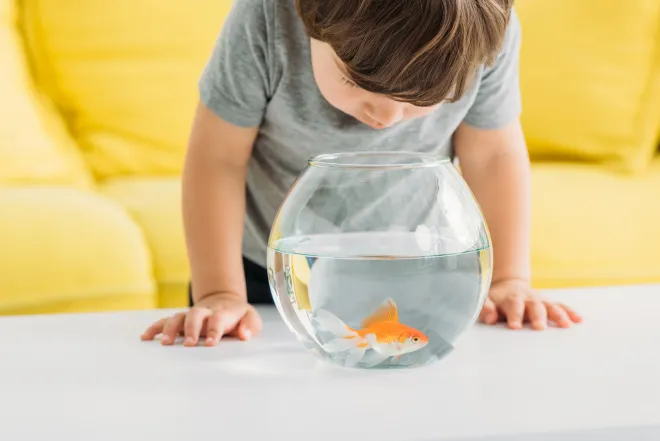

Most of us think we know fish. We catch them, cook them, order them without much thought. They feel familiar—almost background noise to oceans, rivers, and dinner plates. But fish live by rules that don’t always match our assumptions. Some of those rules are subtle. Others are genuinely strange, though not in a loud way. The kind of strange you notice only after you stop and look a little longer.
Here are a few fish facts that sit in that space—ordinary at first glance, and quietly surprising once you understand what’s really happening beneath the surface.
- Fish don’t breathe water the way we imagine they do.
Fish aren’t pulling oxygen from hydrogen and oxygen bound together in H₂O. Instead, they extract free oxygen molecules that are dissolved in water, filtering them through their gills as water passes over thin membranes. It’s closer to breathing air than it sounds. Some species take this flexibility even further. The climbing perch, for example, can breathe both dissolved oxygen and air directly. Under the right conditions, it can survive for hours outside water and even move short distances across damp ground, using its fins and gill covers to push forward. - A sunfish once stopped eating because it missed people.
When a Japanese aquarium closed temporarily for renovations, staff noticed something odd. One of their sunfish—normally a reliable eater—lost interest in food. After ruling out illness, caretakers tried something simple: they taped photos of human faces to the glass near the tank. The fish began eating again. Researchers believe the constant presence of visitors had become a form of stimulation. Without it, the fish seemed to withdraw. It was a small reminder that even animals we consider distant or unexpressive can respond to routine and social cues. - There is a fish that can cause severe digestive distress hours after eating it.
Escolar is often marketed under friendlier names like “white tuna” or “buttery fish,” especially in restaurants. But the species contains indigestible wax esters that the human body can’t process. In amounts over about six ounces, those compounds can lead to sudden and intense gastrointestinal symptoms, including oily orange diarrhea that may occur without warning. The fish itself isn’t poisonous, but many countries recommend strict portion limits or outright bans because of how predictably unpleasant the effects can be. - Fish and chips were protected during wartime Britain.
During both World War I and World War II, most foods in the United Kingdom were rationed. Fish and chips were a rare exception. The government recognized the meal as affordable, filling, and morale-boosting, especially for working families. Keeping it available helped maintain a sense of normalcy during long periods of uncertainty. Even when supplies were tight, officials worked to ensure that fish landed at ports and potatoes reached shops. - The largest rod-and-reel catch was a great white shark.
In 1986, fisherman and charter captain Frank Mundus landed a 3,427-pound great white shark using a rod and reel. The catch remains the largest of its kind ever recorded. Mundus was already well known along the U.S. East Coast, and his reputation later helped inspire the fictional character Quint in Jaws. The shark itself was so massive that it took hours to bring in and had to be hauled ashore with heavy equipment. - Some aquarium fish don’t look the way nature made them.
Brightly colored fish in pet stores aren’t always naturally that way. In some cases, fish are injected with dyes, etched with laser markings, exposed to hormone treatments, or genetically altered to intensify their colors. While the results can look striking under tank lights, the process often causes stress or shortens lifespan. The colors may also fade over time, leaving little trace of how artificial they once were. - A significant portion of seafood is sold under the wrong name.
DNA testing has shown that mislabeling is common in the seafood industry. In a large investigation conducted by Oceana between 2010 and 2012, researchers collected over a thousand samples from restaurants and grocery stores across the United States. About one in three turned out to be a different species than advertised. Sushi restaurants and grocery counters had some of the highest rates, though the substitutions often occurred earlier in the supply chain. For consumers, it means the fish on the plate isn’t always the fish on the label.
Fish rarely demand attention. They move quietly, live out of sight, and don’t announce their oddities. But when you slow down and notice the details, their world turns out to be more complicated—and more human-adjacent—than we usually expect.
0 views
Related
Discover more from GTFyi.com
Subscribe to get the latest posts sent to your email.