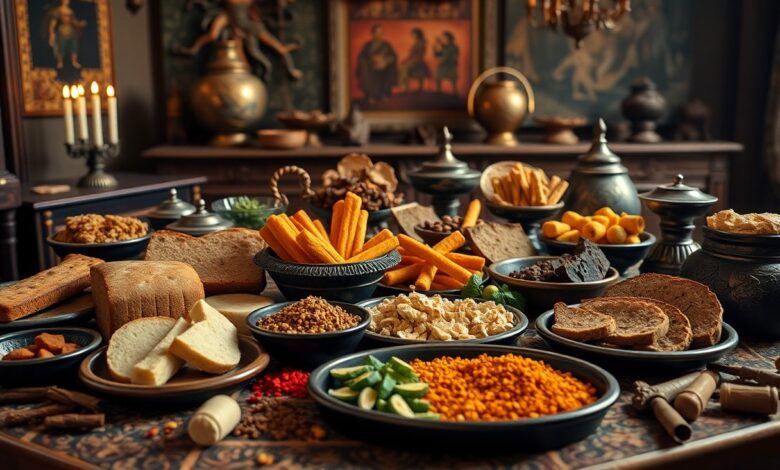
History is not just about battles and treaties; it’s also a tale woven through the food we eat. In my exploration of how culinary innovations and trade routes influenced the rise and fall of empires, I found surprising connections that reveal how ingredients and cooking techniques were often as powerful as weapons. From the spices that fueled exploration to the agricultural practices that formed the backbone of societies, I invite you to explore into the tasty twists that shaped our world.
The Spice Trade: Catalyst of Empires
For centuries, the spice trade served as an necessary driver for empires, shaping economies and cultures across continents. The pursuit of exotic spices like pepper, cinnamon, and saffron not only enriched cuisines but also fostered trade networks that connected diverse civilizations. This longing for spices often led to exploration, conflict, and the establishment of trade routes that changed the course of history.
The Role of Spices in Ancient Trade
Between the 1st and 15th centuries, spices became highly sought after commodities, traded extensively from Asia to Europe. Geographic factors such as the Silk Road and maritime routes facilitated the transportation of these valuable goods, which were often used as currency, medicine, and status symbols in various cultures. The immense value of spices incentivized bold explorations and spurred the rise of powerful trading empires.
How Spices Influenced Cultural Exchange
Across trade routes, spices acted as a medium for cultural exchange, influencing not just culinary practices but also art, religion, and social customs. As merchants and travelers transported these precious commodities, they facilitated the sharing of ideas and traditions that enriched the societies involved.
For instance, the spread of spices like cinnamon and nutmeg prompted the blending of culinary techniques between Eastern and Western cultures. As chefs experimented with aromatic flavors, they created fusion dishes that reflected a melting pot of traditions. Furthermore, spice trade often led to the establishment of cosmopolitan cities where diverse cultures coexisted, fostering a sense of global interconnectedness that reshaped societal norms and values.

Agricultural Innovations and Empire Expansion
You may not realize how deeply agricultural innovations shaped the rise and fall of empires throughout history. From the introduction of new farming techniques to crop domestication, these advancements not only fed growing populations but also facilitated territorial expansion. As civilizations became able to sustain larger communities, their reach extended beyond their original borders, leading to the creation of vast empires driven by the need for resources and the pursuit of trade.
The Impact of Crop Domestication
Crop domestication fundamentally altered human society, transitioning us from nomadic lifestyles to settled agricultural communities. This shift allowed for enhanced food production and the cultivation of diverse crops tailored to specific climates, ultimately influencing trade routes and sociopolitical structures.
Food Surpluses and Population Growth
Below the surface of empire expansion lies a significant link between food surpluses and population growth. When agricultural practices improved, societies began to produce more than they could consume, allowing for the unprecedented growth of urban centers and the fostering of specialized trades.
Due to the increase in food production, populations flourished as cities became hubs of commerce and culture. This inflection point led to a significant rise in urbanization as people migrated to cities in search of opportunity, all made possible by reliable access to sustenance. With a stable food supply, empires could support larger armies and expand their territories, ultimately creating a cycle where population growth fed into further conquest and assimilation of new lands. However, this reliance on agricultural surplus also had its perils; societies faced resource management challenges and the risk of famine during periods of drought or conflict, illustrating the fine balance between abundance and vulnerability.
Culinary Exchange in Conquest
One of the most fascinating aspects of history is how food travels and transforms during conquest. As empires expanded their territories, they brought ingredients, cooking techniques, and culinary traditions into new lands. This exchange not only changed local cuisines but also created vibrant blends of flavors that can still be tasted today. By examining this phenomenon, we gain a deeper understanding of how conquests were as much about culinary fusion as they were about territory.
The Influence of Conquerors on Local Cuisines
Local populations often adapted their traditional dishes, incorporating new ingredients and cooking methods introduced by conquerors. This melding of cultures marked shifts in diet and dining practices, as you can see with ingredients like tomatoes in Italian cuisine or spices in Indian food. Ultimately, the conquerors’ influence enriched local flavors while simultaneously altering their culinary landscape.
Fusion Foods: The Legacy of Empire
On the culinary front, fusion foods epitomize the legacy of empire. They are an extraordinary testament to how diverse cultures can come together, creating dishes that reflect a blend of history and innovation. Think of the popular Mexican mole, which combines indigenous ingredients with European elements, illustrating the beautiful complexity born from conquest.
It is fascinating how fusion foods emerge as culinary artifacts of empires, illustrating cultural encounters. Dishes like the Peruvian ceviche reflect a mix of indigenous practices and Spanish influence, showcasing the rich intermingling of flavors. These recipes often symbolize resistance and adaptation, with local communities altering foreign ingredients to create something uniquely their own. The rise of fusion cuisine serves as evidence that even in the wake of conflict and conquest, I believe that food has the power to unite diverse cultures, celebrate different heritages, and provoke profound gastronomic creativity.
Food as a Tool of Diplomacy
All throughout history, food has served as a powerful vehicle for diplomacy, allowing nations to communicate through shared flavors and culinary traditions. By hosting meals and showcasing local cuisine, leaders have sought to strengthen ties, ease tensions, and create a sense of unity, often finding common ground over a well-prepared dish. Understanding how food influences diplomatic relations unveils the richness of our shared human experience.
Culinary Diplomacy throughout History
Across various cultures and epochs, culinary diplomacy has been a strategic tool for monarchs and statesmen alike. From the lavish banquets of ancient Rome to modern state dinners, food has conveyed messages of goodwill and intention, transforming dining tables into negotiation platforms. Chefs and culinary experts often play a vital role in representing their nations’ traditions, flavors, and identity on the world stage.
Shared Meals: Building Alliances and Trust
About as early as recorded history, sharing meals has been a method for fostering alliances and building trust between rival factions. Inviting opponents to dine has often softened their stance, allowing for open dialogue and understanding. The act of breaking bread together can symbolize a willingness to collaborate and build relationships beyond political rhetoric.
Hence, the tradition of sharing meals holds immense potency in diplomacy. When leaders unite around a table, the atmosphere often shifts; common concerns replace previous divisions, giving way to a more congenial dialogue. Successful meals demonstrate a commitment to peace, as leaders engage in conversation over cultural favorites or symbolic dishes. This culinary camaraderie, steeped in historical significance, can lead to vital treaties or pacts, illustrating that the art of diplomacy may sometimes be as simple as sharing a meal. Your understanding of these subtle dynamics can enhance your appreciation of history’s transformative food moments.
The Role of Religion in Food Practices
Your understanding of culinary history would be incomplete without recognizing the profound impact religion has had on food practices. Throughout history, various faiths have intertwined dietary laws, sacred foods, and communal feasts, highlighting the powerful relationship between spirituality and sustenance. These religious tenets often dictated what, how, and when people ate, transforming ordinary meals into profound expressions of faith.
Sacred Foods and Rituals
Role of sacred foods in religion cannot be overstated. Many cultures have designated certain foods as holy, offering them during rituals and ceremonies to connect with the divine. These acts not only foster a sense of community, but also reinforce the significance of food in spiritual life, as offerings and fasting practices create a link between the material and the spiritual world.
How Religion Shaped Culinary Traditions
Before the advent of modern culinary practices, many societies relied heavily on religious guidelines to shape their eating habits. These dietary restrictions, often seen as divine commandments, influenced local food sources and methods. For example, kosher laws in Judaism and halal practices in Islam not only dictated what could be consumed, but also defined how animals were to be slaughtered, ensuring that the process aligned with faith principles. As a result, various cultures developed distinct culinary traditions that resonate with their spiritual beliefs, showcasing the interplay of food, faith, and identity.
Practices rooted in religious customs have continually influenced the evolution of culinary traditions. This interplay is evident in the celebration of holidays, where specific dishes serve as a reminder of historical events and rituals, such as Christmas feasts or Ramadan iftars. For many, these meals symbolize a shared heritage and belief system. Additionally, religious doctrines often encourage notions of cleanliness and morality tied to food consumption, leading to the proliferation of varying dietary restrictions across cultures. These traditions not only enrich culinary diversity but also serve to maintain a spiritual connection through generations.
Modern Implications of Culinary History
Once again, as I explore the connection between food and power, I find that culinary history provides valuable insights into modern societal structures. By understanding previous empires’ culinary practices, we can glean information about geopolitics, trade routes, and cultural exchanges that continue to influence today’s global interactions. Moreover, these historical lessons offer a unique perspective on sustainability and the modern culinary movements emerging around the world.
Globalization and the Spread of Food Cultures
By examining culinary history, I see how globalization has facilitated the spread of diverse food cultures. This exchange allows us to appreciate unique flavors from different regions while fostering international dialogue. You can witness how local establishments now adopt global cuisine, creating fusion dishes that reflect this interconnected world. As you partake in these flavors, keep in mind the cultural narratives each dish carries.
Lessons from History: Food Politics Today
To understand the landscape of food politics today, I can draw parallels with the past. The historical dynamics of food production and distribution illustrate how inequities can shape diets and influence national policies. Today, as I observe conflicts over food sovereignty, I realize that these issues aren’t new. They echo the struggles of empires that controlled resources and dictated culinary practices to suppress or elevate certain communities.
With this perspective, I see that food politics is deeply intertwined with issues of power, identity, and resistance. Historically, empires that exercised control over food supply chains often marginalized local producers, establishing monopolies that led to widespread famine and social unrest. Today, similar patterns emerge as corporations dominate food systems, pushing small-scale farmers out of the market. I encourage you to reflect on how these historical patterns impact today’s food systems, recognizing how your choices can support a more equitable and sustainable food future. Your engagement in food politics matters more than you might think.
Final Words
Summing up, my exploration of how food has shaped empires reveals the profound impact culinary traditions have on culture, power, and identity. From ancient trade routes to contemporary globalization, I see how ingredients and recipes have traveled, influencing societies and altering the course of history. You might find it enlightening to reconsider the role of food beyond mere sustenance; it’s a powerful tool for diplomacy and unity. As we research deeper into our culinary histories, we uncover the surprising connections that unite us across time and geography.
Discover more from GTFyi.com
Subscribe to get the latest posts sent to your email.